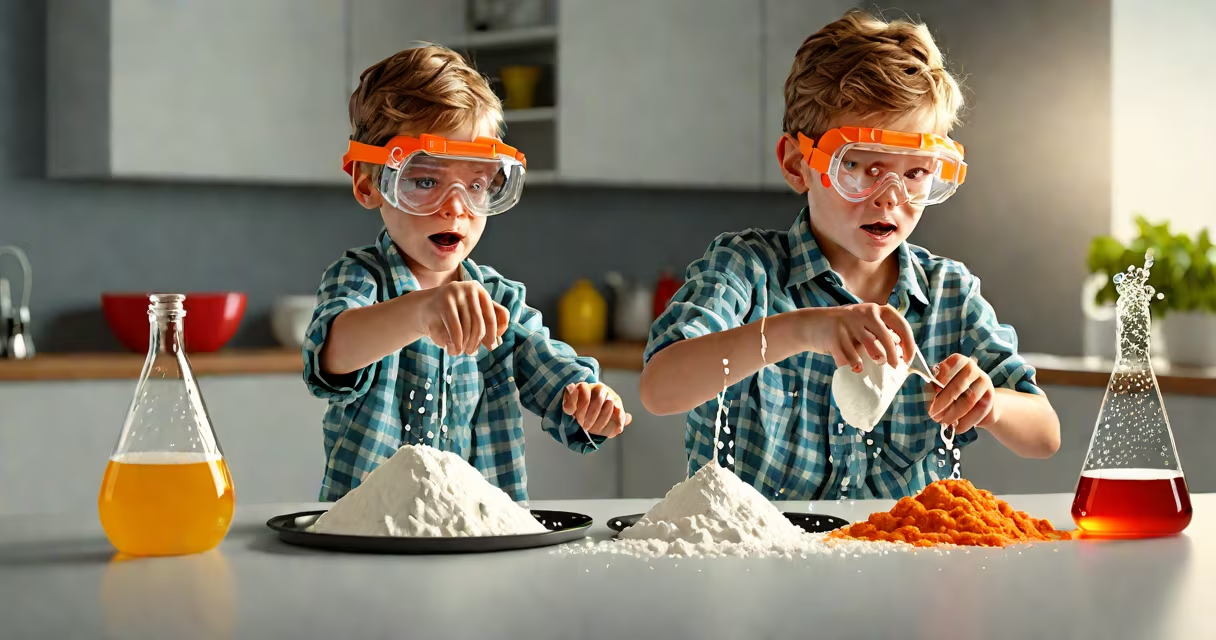
Science experiment ideas are practical, inquiry-based activities that test hypotheses using observation, measurement, and controlled variables. They turn abstract scientific principles into tangible experiences, helping learners understand cause and effect, data collection, and the scientific method. These experiments are designed for students, teachers, and parents to explore topics like chemistry, physics, biology, and earth science through direct engagement.
Each science experiment idea follows a structured process: pose a question, form a hypothesis, design a test with controlled variables, collect data, analyze results, and draw conclusions. This structure builds critical thinking and reinforces curriculum standards. For example, testing how different liquids affect plant growth involves measuring stem height daily over two weeks while keeping light, soil type, and container size constant.
Experiments range from simple household tasks-like mixing baking soda and vinegar to observe gas production-to complex setups involving sensors and data loggers. The most effective ideas align with grade level, available materials, and learning goals. A high school student might investigate enzyme activity in fruit juice using pH strips, while a middle schooler could study buoyancy by testing which objects float in saltwater versus freshwater.
Every science experiment idea begins with a clear question rooted in observable phenomena. The goal is to test a prediction under controlled conditions. Variables must be identified: independent (what you change), dependent (what you measure), and constants (what stays the same).
For instance, in a classic experiment testing how temperature affects the rate of sugar dissolving in water, the independent variable is water temperature (cold, room temp, hot), the dependent variable is time to dissolve, and constants include amount of sugar, volume of water, and stirring speed. Repeating trials ensures reliability. Data is recorded in tables, then visualized in graphs to reveal patterns.
According to the National Science Teaching Association (NSTA), well-designed experiments help students develop scientific habits of mind. They learn to ask questions, evaluate evidence, and revise their understanding based on new data. This mirrors how real scientists work-not just memorizing facts, but engaging in authentic investigation.
Science experiment ideas fall into four main categories based on subject area and complexity. Each type supports different learning objectives and skill levels.
| Type | Focus Area | Example | Grade Level |
|---|---|---|---|
| Chemical Reactions | Acids, bases, and energy changes | Baking soda and vinegar eruption in a bottle with a balloon | Grades 3-6 |
| Physical Properties | States of matter, motion, forces | Testing how far a toy car rolls down ramps of varying angles | Grades K-5 |
| Biological Systems | Life cycles, ecosystems, human body | Growing bean sprouts in dark vs. light to study phototropism | Grades 4-8 |
| Environmental Science | Weather, pollution, conservation | Measuring pH of rainwater collected in a bucket after storms | Grades 6-12 |
Some experiments are designed for quick demonstrations, like making a rainbow with a glass of water and sunlight. Others require multiple days of observation, such as tracking mold growth on bread stored in sealed bags at different temperatures. The key is matching the experiment's duration and complexity to the learner's developmental stage.
Many people assume science experiment ideas must involve expensive equipment or complex math. That's not true. Simple experiments using everyday materials often yield deeper insights. A study published in the Journal of Research in Science Teaching found that students who conducted low-cost, high-engagement experiments showed greater long-term retention of scientific concepts than those who only watched videos or read textbooks.
A frequent error is treating experiments as recipes. Students follow steps without understanding why they're doing them. For example, in a paper airplane race, students may focus solely on folding techniques rather than testing how wing shape affects flight distance. The best science experiment ideas encourage reflection: "Why did this result happen?" "What would change if we altered this variable?"
Another mistake is ignoring safety. Even simple experiments carry risks. Using eye protection during chemical reactions, avoiding open flames near flammable liquids, and handling sharp tools carefully are non-negotiable. The American Chemical Society emphasizes that safety protocols should be taught alongside the experiment itself, not added as an afterthought.
In my own classroom, I used a science experiment idea involving soil erosion to teach environmental impact. Students built small hills of sand and dirt in trays, then simulated rainfall with spray bottles. They measured how much soil washed away under different conditions-bare ground, grass-covered, and rock-strewn surfaces. After five trials, they compared results and discussed how deforestation increases runoff and sedimentation in rivers.
This experiment was effective because it combined observation, measurement, and real-world relevance. Students didn't just see erosion-they experienced it. One group even proposed planting native grasses in their schoolyard to reduce future erosion, turning the classroom activity into a community project.
Another example is the "floating egg" experiment. When you place an egg in fresh water, it sinks. But in saltwater, it floats. This demonstrates density differences between liquids. The experiment uses only eggs, water, salt, and a clear jar. It's accessible, visually striking, and leads to deeper discussion about why ocean water supports marine life better than freshwater lakes.
These examples show that science experiment ideas don't need to be elaborate to be useful. The most impactful ones spark curiosity, invite questioning, and connect to lived experience.
When choosing science experiment ideas, prioritize clarity of purpose, safety, and alignment with learning standards. Avoid overly complicated setups unless the goal is advanced analysis. Always allow time for discussion and revision. The best experiments don't end when the data is collected-they begin there.