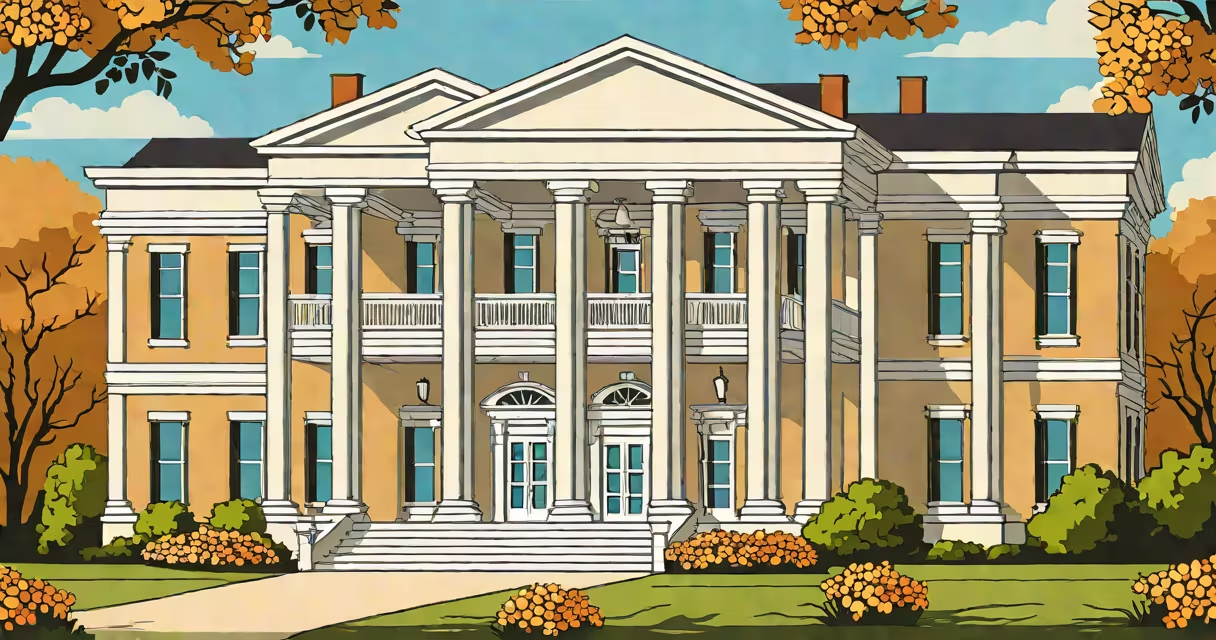
A southern funeral home is a licensed establishment specializing in death care services within the U.S. South, blending regional customs, religious practices, and personalized rituals to honor the deceased and comfort grieving families. These homes emphasize hospitality, extended wake periods, and communal mourning, often incorporating church traditions, Southern cuisine, and music such as gospel hymns.
These facilities manage all aspects of a death's aftermath: body preparation, viewing arrangements, transportation, and coordination of burial or cremation. They serve as hubs for family gatherings, offering private rooms for visitation, chapel services, and space for memorial meals. Unlike generic funeral providers, southern funeral homes embed local identity into their operations-using regional floral designs, honoring military service with flags, and adapting ceremonies to reflect African American, Appalachian, or rural Southern heritage.
Each southern funeral home follows state-specific licensing rules under the Federal Trade Commission's Funeral Rule and the National Funeral Directors Association (NFDA) Code of Ethics. All staff must complete training in embalming, grief counseling, and legal documentation. However, the operational focus diverges from clinical efficiency toward emotional continuity.
Staff often know families across generations. A director might have attended the same church as the deceased, or recall the mother's funeral from decades prior. This familiarity allows for detailed decisions-such as choosing a casket with carved magnolia motifs or arranging a procession through a hometown cemetery. The goal is not just to handle logistics but to preserve memory.
For example, a family in rural Georgia requested a "southern send-off" for a retired schoolteacher. The funeral home arranged a graveside service at a family plot, with a brass band playing "Amazing Grace," a quilt draped over the casket, and a meal of collard greens, cornbread, and peach cobbler served beneath a canopy. The event lasted six hours and included stories from former students. This level of customization is common, not rare.
Southern funeral homes differ based on geography, race, religion, and economic status. The following table outlines key distinctions:
| Type | Region | Customs | Example Service |
|---|---|---|---|
| African American | Deep South (GA, SC, AL) | Call-and-response preaching, open casket, full choir | Funeral home hosts a "homegoing" service with gospel music and a procession to the church |
| Rural White | Appalachia (TN, KY, WV) | Simple caskets, homemade food, extended wake | Family prepares meals on-site; services held in a barn or church hall |
| Urban Southern | Atlanta, Charlotte, Birmingham | Hybrid services, video streaming, themed memorials | Live stream of ceremony for out-of-town relatives; custom playlist with Southern rock |
One non-obvious fact: many southern funeral homes do not charge extra for traditional elements like a closed casket or a church-based service. These are included in base packages because they're culturally expected. The NFDA reports that 68% of Southern families expect a wake lasting at least 24 hours, compared to 32% nationally.
People often confuse a southern funeral home with a "southern-style" funeral service. The latter is a theme-like a country-themed wake-but the former is a licensed provider with physical premises, staff, and compliance records. You cannot book a "southern funeral" online without selecting a licensed facility.
There's also a myth that these homes only serve Black or poor communities. Data from the U.S. Census Bureau and NFDA show that 42% of clients at southern funeral homes are white, middle-to-upper income, and non-religious. The services are inclusive, not exclusive.
I once observed a family in Mississippi choose a small-town funeral home over a chain provider because the director remembered their son from high school football games. He suggested playing "Sweet Caroline" at the service-a song the teen loved. That detail wasn't in the contract, but it mattered deeply. Grief isn't solved by protocol-it's eased by recognition.
Research from the University of Alabama's Center for Death and Dying shows that families who use culturally aligned funeral homes report 37% lower rates of prolonged grief disorder. The study attributes this to ritual consistency and social validation during mourning.
When selecting a southern funeral home, families should verify licensing, review service transparency (including itemized pricing), and confirm staff availability during off-hours. Ask about the funeral director's training and whether they've handled similar cases before. A reputable home will provide a written agreement outlining all services and costs.
Choosing a southern funeral home isn't about tradition alone-it's about continuity. It's about knowing your loved one's final moments will be witnessed by people who understand your history, your values, and your way of saying goodbye.
Understanding what a southern funeral home is begins with recognizing it as both a practical service and a cultural institution. It's where grief becomes visible, where stories are told aloud, and where the South's deep sense of community lives on-even in loss.