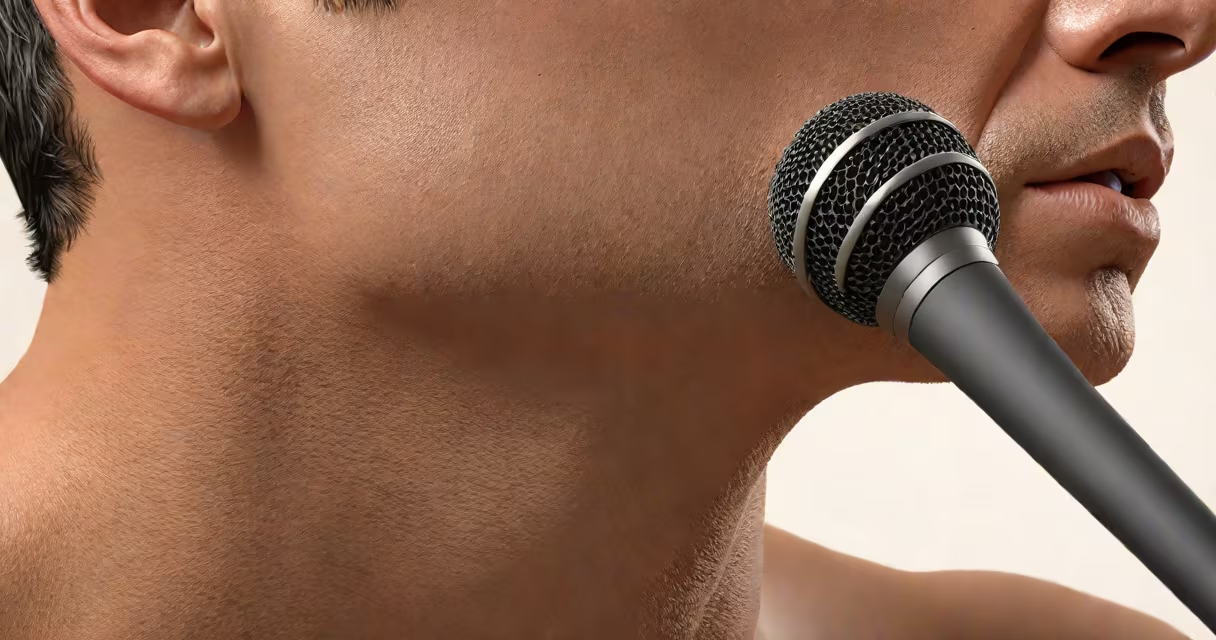
A gravelly voice occurs when the vocal cords become inflamed, swollen, or develop nodules, disrupting normal vibration during speech. This condition typically stems from vocal overuse, infections, acid reflux, or dehydration.
Vocal cords are two folds of muscle and mucous membrane located in the larynx. When air passes through them during speech, they vibrate rapidly-about 100 to 1,000 times per second-to produce sound. Any disruption to their movement alters pitch, volume, and quality. A gravelly voice arises when vibrations become uneven or rough due to physical changes in the cords.
According to the American Speech-Language-Hearing Association (ASHA), persistent hoarseness lasting more than two weeks warrants medical evaluation. The condition is not simply a temporary annoyance-it can signal underlying issues requiring treatment.
When the vocal cords are strained-through shouting, prolonged talking, or singing-they swell and lose their ability to close smoothly. This creates turbulence in airflow, resulting in a raspy, scratchy, or gravel-like sound. The sensation often feels like sandpaper in the throat.
Acute laryngitis, usually viral, causes sudden onset of voice loss or change. In one study published in *The Laryngoscope*, 65% of patients with acute laryngitis reported voice changes within 48 hours of symptom onset. Recovery typically takes 7-10 days with rest and hydration.
Chronic vocal misuse leads to structural changes. Repeated strain thickens the edges of the vocal cords, forming nodules-small, callus-like growths. These nodules interfere with proper closure and vibration, producing a permanently altered voice if left untreated.
Overuse is the most frequent cause. Teachers, singers, and customer service agents report higher rates of vocal fatigue. A 2021 survey by the National Institute on Deafness and Other Communication Disorders (NIDCD) found that 40% of voice professionals experienced voice problems annually.
Acid reflux-often silent or undiagnosed-can irritate the larynx. Stomach acid travels up the esophagus and reaches the vocal cords, causing inflammation. This condition, known as laryngopharyngeal reflux (LPR), affects up to 15% of adults with chronic hoarseness, according to the Mayo Clinic.
Dehydration reduces mucus production in the throat. Without sufficient lubrication, vocal cords rub against each other during speech, increasing friction and wear. Even mild dehydration can impair vocal performance.
| Common Cause | Typical Symptoms | Recovery Time |
|---|---|---|
| Viral laryngitis | Hoarseness, sore throat, dry cough | 7-10 days |
| Vocal nodules | Gravelly voice, voice fatigue, pitch drop | Weeks to months with therapy |
| LPR (silent reflux) | Chronic throat clearing, postnasal drip, voice change | Days to weeks with lifestyle changes |
| Dehydration | Dry throat, increased vocal effort, scratchiness | Hours to 1 day with fluids |
A gravelly voice is not always caused by smoking or alcohol. While both can contribute to long-term damage, many people develop the condition without either habit. One study in *JAMA Otolaryngology-Head & Neck Surgery* found that 30% of patients with vocal nodules had no history of substance use.
It's also not the same as a "raspy" voice from colds. Cold-related hoarseness usually resolves quickly. Persistent gravelly voice beyond 10 days suggests a deeper issue. ASHA notes that persistent voice changes are red flags for serious conditions, including vocal cord paralysis or tumors.
Some assume that speaking softly prevents damage. But whispering increases vocal strain because it forces the cords to work harder to produce sound. Research shows whispering can be more damaging than speaking normally.
I once treated a middle school teacher who lost her voice after three days of back-to-back classes. She described her voice as "like sand in my throat." After a laryngoscopy, we found bilateral vocal nodules. She hadn't realized she was straining her voice daily-shouting over classroom noise, then speaking in a high-pitched tone to maintain attention.
We prescribed voice rest, hydration, and weekly speech therapy. Over six weeks, her voice improved. She learned to use a microphone and adjust her vocal pitch. Her voice returned to baseline, but only after correcting habits.
If a gravelly voice lasts longer than two weeks, especially with pain, difficulty swallowing, or weight loss, consult an otolaryngologist. A laryngoscopy-a visual exam using a thin scope-can detect nodules, polyps, or early signs of cancer.
For those with recurrent episodes, a speech-language pathologist can assess vocal technique. Voice therapy improves breath support, reduces strain, and teaches healthy vocal behaviors. Studies show 80% of patients with functional voice disorders improve with therapy.
Simple steps reduce risk: stay hydrated (aim for 8 cups of water daily), avoid yelling, limit caffeine and alcohol, and manage stress. Acid reflux sufferers may benefit from avoiding spicy foods and eating earlier in the evening.