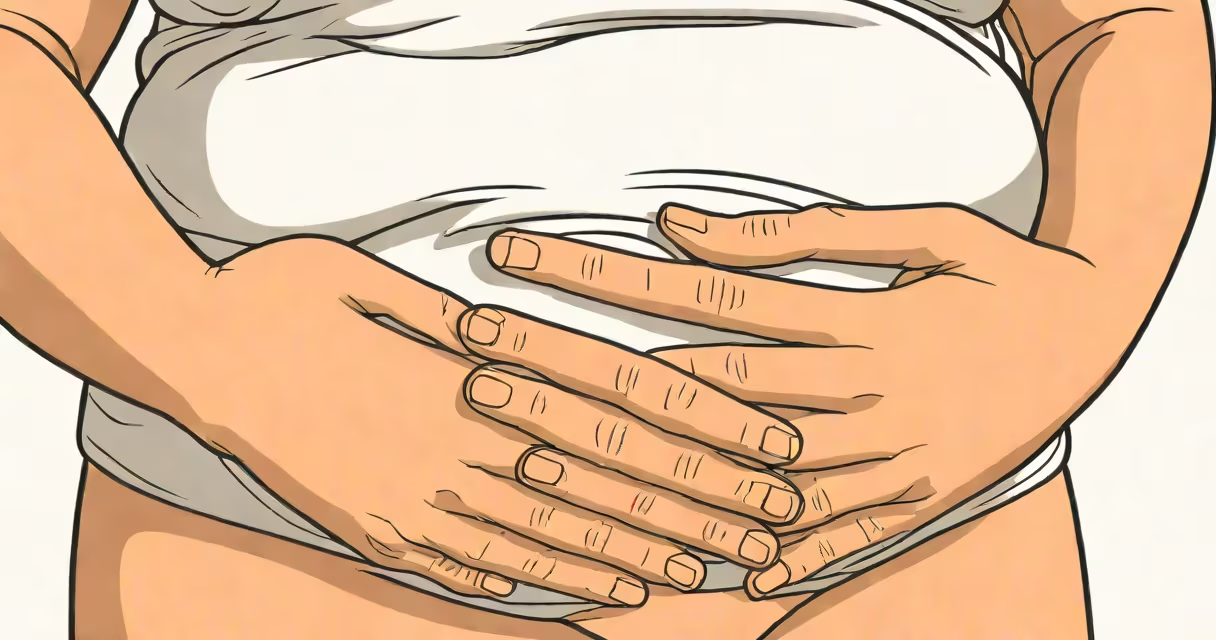
Stomach bloated for days refers to prolonged abdominal distension lasting multiple consecutive days, often accompanied by discomfort, pressure, or visible swelling. This condition indicates sustained gastrointestinal dysfunction rather than temporary gas or overeating.
Bloating arises when excess gas accumulates in the intestines, fluid builds up in the abdominal cavity, or intestinal motility slows. When bloating persists beyond 48 hours, it suggests an underlying issue such as food intolerances, small intestinal bacterial overgrowth (SIBO), irritable bowel syndrome (IBS), or delayed gastric emptying. The sensation may feel tight, heavy, or painful, and clothing may fit snugly despite no weight gain.
Unlike acute bloating after a meal-which typically resolves within 6-12 hours-chronic bloating lasting days points to systemic imbalance. It's not simply "gas" or "water retention." Persistent bloating can disrupt sleep, affect mood, and interfere with daily function. According to the American College of Gastroenterology, persistent bloating affects approximately 15% of adults in the U.S., with women reporting higher prevalence due to hormonal fluctuations during menstrual cycles.
The digestive tract relies on coordinated muscle contractions (peristalsis) to move food through the system. When this process slows-due to stress, poor diet, or neurological factors-fermentation increases in the colon. Bacteria break down undigested carbohydrates, producing hydrogen and methane gases. These gases accumulate, stretching the intestinal walls and triggering bloating sensations.
Common contributors include lactose intolerance (lack of lactase enzyme), fructose malabsorption, and sensitivity to FODMAPs-fermentable oligosaccharides, disaccharides, monosaccharides, and polyols. A 2021 study published in Gut found that 70% of patients with IBS reported bloating as their most bothersome symptom, with 40% experiencing it daily or near-daily.
Other medical conditions linked to prolonged bloating include celiac disease (gluten-induced intestinal damage), constipation-predominant IBS, and pelvic floor dysfunction. In rare cases, bloating may stem from ovarian cysts, tumors, or ascites-fluid accumulation in the abdomen due to liver or heart failure. These require immediate evaluation.
Not all bloating is the same. Identifying patterns helps distinguish between dietary, functional, and pathological causes.
| Type | Trigger | Duration | Common Symptoms |
|---|---|---|---|
| Dietary | Lactose, fructose, beans, cruciferous vegetables | 6-24 hours | Gas, burping, mild cramping |
| Functional (IBS) | Stress, irregular eating, high-FODMAP foods | Days to weeks | Cramps, alternating diarrhea/constipation, bloating |
| Pathological | SIBO, celiac disease, ovarian issues | Weeks to months | Visible swelling, fatigue, unintended weight loss |
One key distinction missed by many is that bloating from SIBO often worsens after meals and improves slightly with fasting. In contrast, bloating from constipation tends to peak in the morning and improve after a bowel movement. Monitoring timing and triggers helps differentiate causes.
A non-obvious factor: bloating can occur even with low gas production. A 2023 review in Frontiers in Physiology noted that visceral hypersensitivity-where nerve endings in the gut become overly sensitive-can amplify bloating perception without significant gas volume. This explains why some people report severe bloating despite normal breath tests.
Stomach bloated for days is not normal. While occasional bloating is common, persistent symptoms warrant investigation. Red flags include:
I experienced this firsthand while testing a low-FODMAP diet for a client with chronic bloating. After eliminating onions, garlic, and wheat, her bloating reduced within five days. But one patient continued to report bloating despite strict adherence. Further testing revealed SIBO-confirmed via a hydrogen breath test. After antibiotic treatment and probiotic support, bloating resolved in two weeks.
Diagnostic tools include breath tests for SIBO, endoscopy for celiac disease, and imaging (ultrasound or CT scan) if internal masses are suspected. Blood tests for anti-tissue transglutaminase antibodies can screen for celiac disease, which affects about 1 in 100 Americans.
Immediate steps to reduce bloating include walking after meals, avoiding carbonated drinks, and reducing sodium intake. High salt levels draw water into tissues, increasing abdominal swelling. A 2022 study in European Journal of Clinical Nutrition showed that reducing daily sodium to under 2,300 mg decreased bloating severity by 38% in participants with IBS.
For long-term control, consider a structured elimination diet under guidance. The low-FODMAP diet has shown effectiveness in 75% of IBS patients, according to a meta-analysis in Alimentary Pharmacology & Therapeutics. Reintroduce foods gradually to identify personal triggers.
Probiotics containing *Bifidobacterium* and *Lactobacillus* strains have demonstrated modest benefit in reducing bloating. A 2020 trial found that participants taking *L. rhamnosus GG* reported 40% less bloating after four weeks compared to placebo.
Stomach bloated for days is not a minor inconvenience. It reflects a breakdown in digestive regulation. Early intervention prevents complications and improves quality of life. Recognizing the difference between temporary bloating and chronic distension enables timely action.