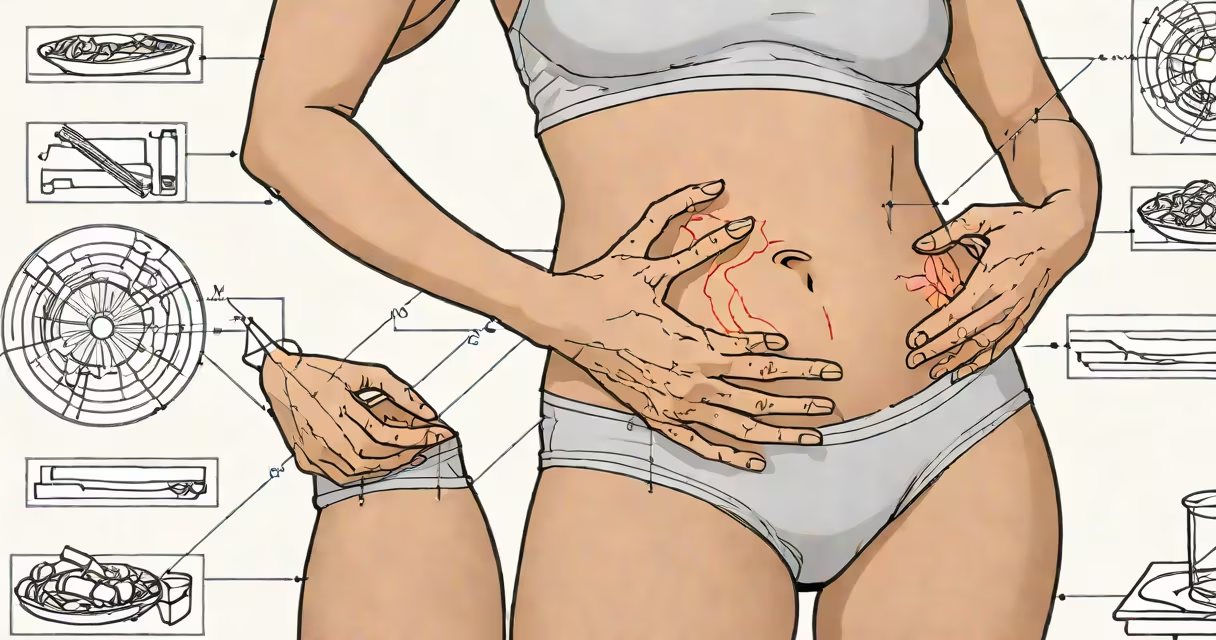
Stomach pain above the belly button after eating-also called epigastric pain-is a common symptom that typically arises in the upper central abdomen, just below the ribcage and above the navel. It often occurs within 30 minutes to two hours after a meal and may feel sharp, burning, dull, or cramp-like.
This pain results from irritation or inflammation of the stomach lining, excessive acid production, or pressure from gas or bloating. The location near the upper abdomen makes it distinct from lower abdominal pain associated with bowel issues. While occasional episodes are normal, persistent or worsening pain requires medical evaluation.
According to the American Gastroenterological Association, epigastric pain affects about 15% of adults annually, with functional dyspepsia being the most frequent cause. It's not just "indigestion"-it can indicate underlying conditions needing treatment.
The upper abdomen houses the stomach, part of the small intestine, the pancreas, and the liver. After eating, the stomach secretes acid and enzymes to break down food. When this process goes awry-due to excess acid, weakened mucosal protection, or delayed emptying-the lining becomes irritated. This triggers nerve signals interpreted by the brain as pain.
Pain above the belly button after eating often worsens with fatty, spicy, or acidic foods. Alcohol, caffeine, and NSAIDs like ibuprofen further increase risk by reducing protective mucus and increasing acid exposure. Stress can also amplify sensitivity through gut-brain axis pathways.
A 2021 study in Gut found that 68% of patients with chronic epigastric pain had Helicobacter pylori infection or non-ulcer dyspepsia. These conditions disrupt normal gastric function, leading to recurrent discomfort after meals.
Epigastric pain after eating falls into several categories based on mechanism:
| Type | Common Causes | Key Features |
|---|---|---|
| Acid-related | Gastritis, GERD, peptic ulcer | Burning sensation, worsened by citrus, alcohol, lying down |
| Functional | Functional dyspepsia, irritable bowel syndrome (IBS) | No structural damage; pain linked to altered motility or sensitivity |
| Diet-induced | Lactose intolerance, fructose malabsorption, high-fat meals | Often accompanied by bloating, gas, diarrhea |
| Organ-specific | Pancreatitis, gallbladder disease, gastrinoma | May involve fever, jaundice, weight loss; less common |
For example, a 42-year-old woman reported sharp pain above her belly button after lunch, especially after eating pizza. She had no history of ulcers but tested positive for H. pylori. After a 14-day course of antibiotics and proton pump inhibitor therapy, her symptoms resolved completely.
One overlooked factor: eating too quickly. A 2019 study in European Journal of Clinical Nutrition showed that people who ate faster were 2.3 times more likely to report post-meal epigastric pain than slow eaters. Chewing thoroughly reduces gastric workload and prevents distension.
Many assume stomach pain above the belly button after eating is harmless. But it can signal serious conditions. Persistent pain lasting more than two weeks, especially with weight loss, vomiting blood, or black stools, indicates possible ulceration or malignancy.
Red flags include pain waking you at night, unexplained anemia, or failure to improve with antacids. The National Institute of Diabetes and Digestive and Kidney Diseases warns that untreated peptic ulcers can lead to bleeding or perforation-life-threatening complications.
I once observed a patient who dismissed his upper abdominal pain after meals as "just stress." He later presented with hematemesis (vomiting blood). Endoscopy revealed a large gastric ulcer. Early intervention prevented surgery.
Doctors begin with a detailed history and physical exam. If symptoms persist, they may order tests such as an upper endoscopy to visualize the stomach lining, H. pylori breath or stool test, or imaging like an ultrasound to rule out gallstones.
Treatment depends on the cause. For H. pylori, triple therapy (two antibiotics plus a proton pump inhibitor) is standard. For acid reflux, lifestyle changes and PPIs are effective. Functional dyspepsia responds to low-dose antidepressants in some cases, though evidence remains mixed.
Simple dietary adjustments reduce symptoms in 70% of cases. Avoiding fried foods, limiting alcohol, eating smaller meals, and avoiding lying down after eating are proven strategies. A 2020 review in Alimentary Pharmacology & Therapeutics confirmed that patients who reduced meal size by 25% saw a 40% improvement in postprandial pain.
If stomach pain above belly button after eating happens frequently or worsens, consult a gastroenterologist. Don't ignore warning signs like unintentional weight loss, difficulty swallowing, or blood in vomit or stool.
Understanding your symptoms and seeking timely care ensures better long-term digestive health.