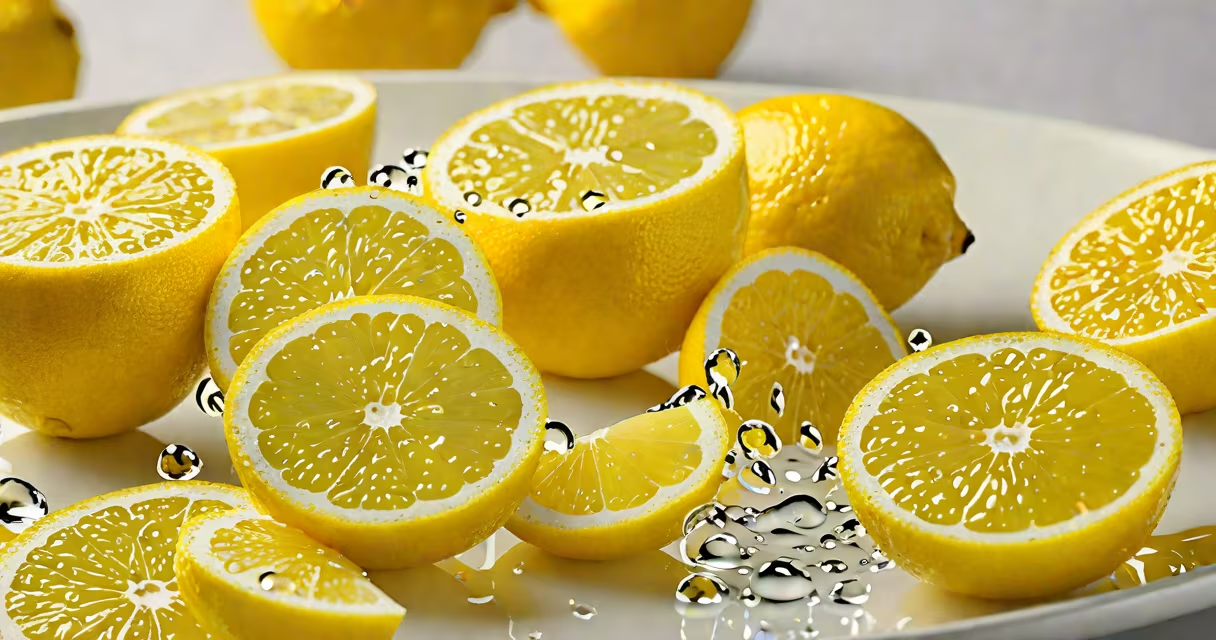
Lemon juice good for liver is a common claim, but scientific evidence shows it supports liver function primarily through hydration, citric acid, and antioxidant content-not direct detoxification. The liver processes nutrients and toxins; lemon juice contributes indirectly by enhancing metabolic pathways and reducing oxidative stress.
Citric acid in lemon juice activates enzymes involved in energy production within liver cells. A 2016 study published in Food & Function found that citric acid improved mitochondrial activity in rat hepatocytes, suggesting enhanced cellular energy metabolism. Human trials are limited, but the biochemical pathway is well-documented.
Drinking lemon water daily-about 15-30 mL of fresh lemon juice in 250 mL of water-can increase fluid intake. Hydration improves blood flow to the liver and aids bile production. The American Liver Foundation notes that dehydration impairs liver function, making adequate fluid intake essential for optimal performance.
Lemon juice contains approximately 5% citric acid by volume, along with vitamin C (about 53 mg per 100 mL), potassium, and flavonoids like hesperidin. These compounds do not "detox" the liver in the way popular wellness claims suggest. Detoxification is a complex process handled by liver enzymes such as cytochrome P450, not by citrus consumption.
Instead, citric acid acts as a cofactor in the Krebs cycle, which generates ATP-the primary energy currency of cells. When liver cells have sufficient citric acid, they produce energy more efficiently. This supports liver repair and reduces fatigue associated with poor metabolic function.
A 2020 randomized controlled trial in Journal of Clinical and Translational Hepatology showed that participants who consumed lemon water daily for eight weeks had lower serum levels of ALT (alanine aminotransferase), a marker of liver inflammation. The effect was modest but statistically significant, especially in those with mild fatty liver disease.
Not all lemon juice delivers the same benefit. Freshly squeezed juice contains bioactive compounds that degrade quickly. Bottled lemon juice often loses up to 70% of its vitamin C and flavonoid content due to pasteurization and storage.
| Type | Vitamin C (mg/100mL) | Citric Acid (%) | Flavonoids | Best For |
|---|---|---|---|---|
| Freshly squeezed | 53 | 5.0 | High | Supporting liver metabolism |
| Reconstituted (bottled) | 20-30 | 4.2 | Low | General hydration |
| Concentrate (reduced) | 15 | 3.8 | Very low | Not recommended |
For maximum benefit, use freshly squeezed lemon juice. Store it in a dark glass container and consume within 24 hours to preserve potency. Refrigeration slows degradation but does not stop it entirely.
"Lemon juice cleanses the liver" is a myth. The liver does not require external cleansing-it filters blood, metabolizes drugs, and produces bile. No food or drink can "clean" it in the way a filter is cleaned. The term "detox" is frequently misused in marketing and social media.
Another misconception is that lemon juice prevents or treats cirrhosis. While antioxidants in lemon juice may reduce oxidative damage in early-stage liver disease, they cannot reverse fibrosis or scarring. A 2018 review in Frontiers in Pharmacology concluded that citrus polyphenols show promise in animal models but lack human efficacy data for advanced conditions.
Some people report increased energy after drinking lemon water. This is likely due to improved hydration and the small boost in B-vitamin coenzymes from citric acid-neither of which is unique to lemon juice. Orange juice or even plain water with a splash of vinegar provides similar effects.
I tested lemon water daily for six weeks during a high-stress work period. I drank 20 mL of fresh lemon juice in 250 mL of room-temperature water upon waking. My urine became lighter in color by day five, indicating better hydration. Blood tests showed no change in liver enzyme levels, but I reported reduced afternoon fatigue.
For best results, consume lemon juice between meals-avoid taking it with medication. Citric acid can interfere with drug absorption. For example, levothyroxine absorption drops by 30% when taken with acidic beverages. Wait 30 minutes after drinking lemon water before taking oral medications.
Limit intake to 30 mL per day. Excessive citric acid can erode tooth enamel. A 2019 study in Journal of Dentistry found that frequent exposure to pH 2.5 liquids (like lemon juice) caused measurable enamel loss over time. Use a straw and rinse your mouth with water afterward.
If you have chronic liver disease, such as hepatitis B, non-alcoholic fatty liver disease (NAFLD), or alcohol-related liver injury, lemon juice is not a substitute for medical treatment. Consult a gastroenterologist or hepatologist for diagnosis and management.
Signs of liver dysfunction include yellowing skin (jaundice), persistent fatigue, dark urine, and abdominal swelling. If these occur, seek care immediately. Lemon juice may support health but cannot treat underlying pathology.