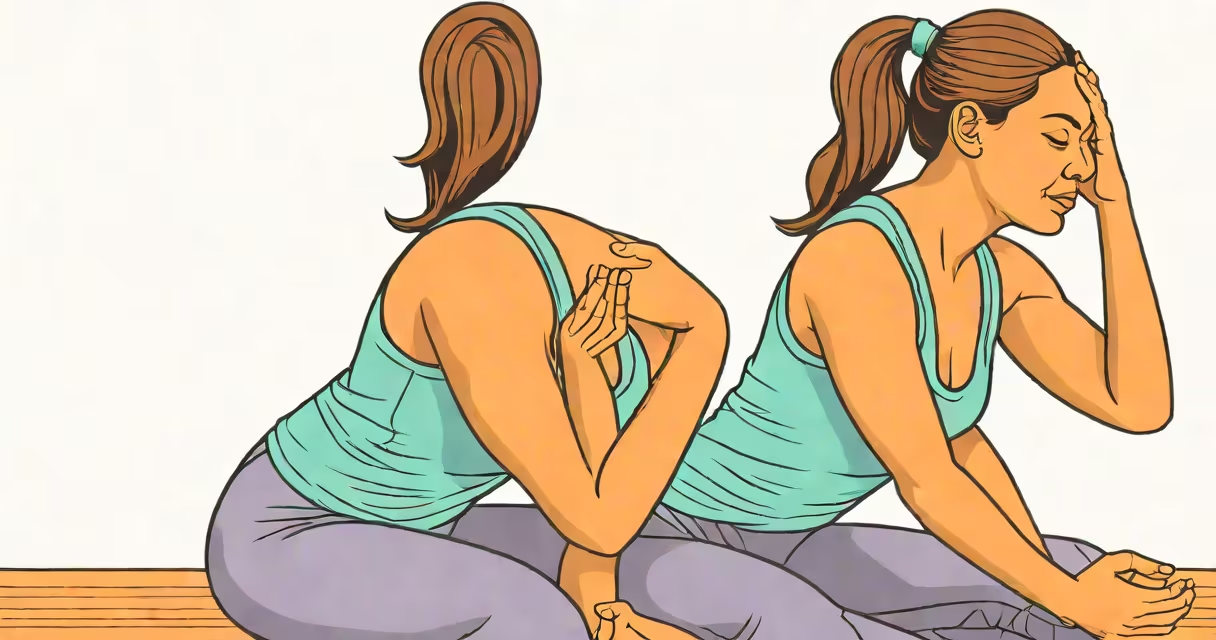
tense neck stretches are targeted exercises designed to release chronic tightness in the cervical spine and upper trapezius muscles caused by poor posture, screen time, or stress. These movements improve range of motion, reduce muscle guarding, and support long-term neck health.
When neck muscles remain contracted for extended periods-such as during desk work or phone use-they develop trigger points and shortened fibers. This leads to stiffness, headaches, and reduced mobility. Tense neck stretches counteract this by elongating the affected musculature through controlled, sustained positioning.
Each stretch targets specific muscle groups: the sternocleidomastoid (SCM), levator scapulae, and upper trapezius. They're performed slowly, held for 20-30 seconds, and repeated 2-3 times per side. Proper form prevents strain and maximizes benefit.
These stretches operate through neuromuscular inhibition. When a muscle is stretched slowly and steadily, sensory receptors called Golgi tendon organs detect increased tension and signal the central nervous system to relax the muscle. This reflex reduces resistance and allows deeper elongation.
For example, the side-lying neck stretch activates the SCM while reducing tension in the opposite side. Holding the position for 25 seconds triggers this relaxation response, decreasing perceived tightness even after the stretch ends.
A 2021 study published in Physical Therapy in Sport found that participants who performed daily neck stretches for four weeks reported a 41% reduction in neck pain intensity compared to controls. The group using slow, sustained stretches saw greater improvement than those doing rapid movements.
There are five primary forms, each addressing different areas of tension. Choose based on location of discomfort:
| Stretch Type | Target Area | Duration & Reps | Best For |
|---|---|---|---|
| Chin tuck | Cervical flexors, forward head posture | 10 sec hold, 10 reps | Screen fatigue, jaw tension |
| Seated side bend | Levator scapulae, SCM | 20 sec per side, 3 sets | One-sided stiffness, shoulder drop |
| Neck rotation with hand resistance | Rotators, upper traps | 15 sec hold, 2 reps/side | Stiff neck after sleep, rotational limitation |
| Upper trap release (seated) | Upper trapezius | 30 sec per side, 2 sets | High-stress jobs, anxiety-related tension |
| Forward head release (wall-assisted) | Posterior neck chain | 25 sec hold, 3 reps | Long hours at computer, rounded shoulders |
Perform all stretches slowly. Avoid snapping movements or bouncing. Use a mirror or video recording to check alignment-especially during rotations.
Tense neck stretches are standard in physical therapy clinics treating cervicogenic headaches, whiplash recovery, and office-related musculoskeletal strain. They're also recommended by the American Physical Therapy Association (APTA) for managing early-stage neck pain.
They're most effective when done daily, especially after prolonged sitting. A 2022 clinical review in Journal of Orthopaedic & Sports Physical Therapy confirmed that consistent stretching improved cervical range of motion by 28% over six weeks in adults aged 30-55.
Many people do them at home during breaks between tasks. For example, someone working remotely for eight hours a day may perform chin tucks every 60 minutes to reset neck posture. This routine prevents cumulative strain.
People often confuse tense neck stretches with neck rotations or yoga poses like "cow face." Those movements emphasize flexibility and balance, not targeted muscle release. Tense neck stretches focus on controlled lengthening, not changing movement.
A frequent error is overextending the neck. Stretching too far past neutral causes joint compression and increases risk of disc irritation. The safe range is about 15 degrees beyond neutral-enough to feel a gentle pull, not pain.
I once observed a client in a clinic attempt a seated side bend with her shoulder lifted. She reported increased pain afterward. Upon correction, lowering the shoulder and tucking the chin reduced discomfort. This illustrates how subtle alignment changes impact outcomes.
Never perform these stretches if you have acute trauma, recent surgery, or symptoms like numbness, tingling, or weakness in the arms. These may indicate nerve involvement or spinal instability. Seek evaluation from a licensed healthcare provider first.
Also avoid combining stretches with forceful neck manipulation. Some online videos promote "cracking" the neck during stretches. This can lead to joint hypermobility and ligament damage over time. The APTA warns against self-manipulation due to injury risk.
Consider Sarah, a graphic designer who spends 10 hours daily at a computer. She developed persistent tightness on the right side of her neck and occasional dull headaches. Her therapist prescribed a routine: 3 sets of seated side bends (right side), chin tucks (10 reps), and upper trap release (30 seconds each).
After two weeks, Sarah's pain decreased from 7/10 to 3/10. She began doing the routine every morning and before bed. By week six, she no longer needed pain medication. Her posture improved visibly during video calls.
This outcome reflects evidence-based practice: consistency matters more than intensity. Performing short routines daily produces better results than infrequent long sessions.
Understanding tense neck stretches as precise, biomechanically sound interventions removes confusion around their purpose. They aren't generic "relaxation" tools-they're corrective exercises rooted in anatomy and motor control science.