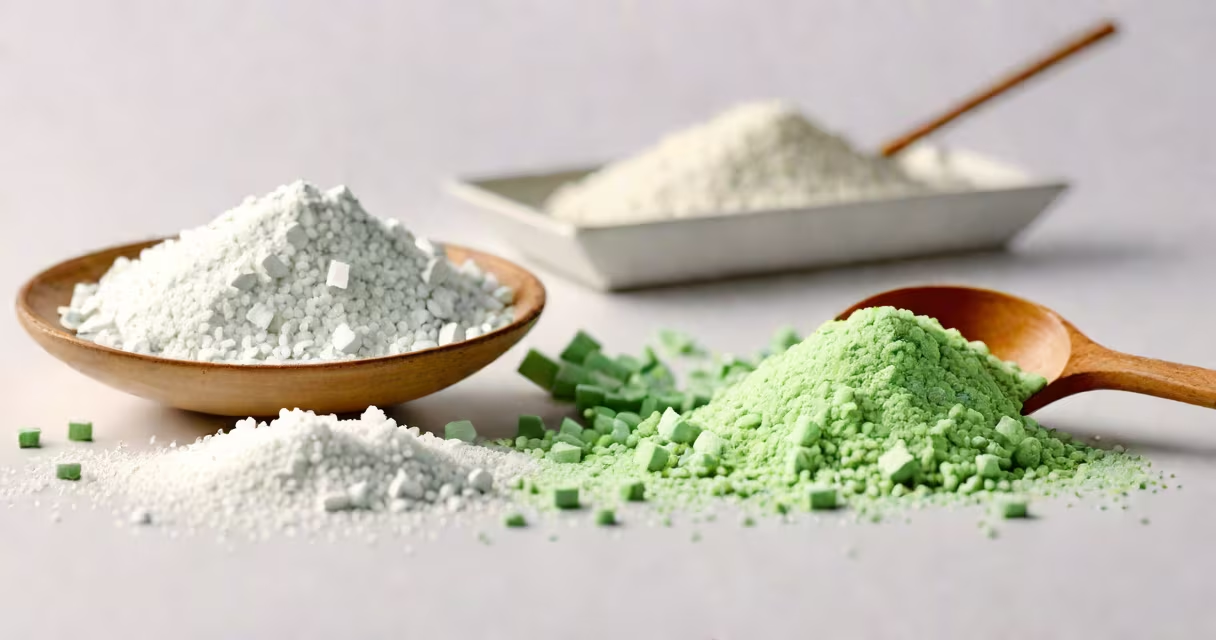
Xylitol can cause gas, bloating, and abdominal discomfort in some individuals due to incomplete digestion and bacterial fermentation in the large intestine. This effect is common at doses above 10 grams per day and varies by individual tolerance.
Xylitol is a sugar alcohol used as a low-calorie sweetener in sugar-free gum, candies, and baked goods. It's absorbed slowly in the small intestine and reaches the colon intact in significant amounts. Gut bacteria ferment undigested xylitol, producing gas as a byproduct. This process explains why some people report increased flatulence or bloating after consuming products containing xylitol.
According to the American Gastroenterological Association, sugar alcohols like xylitol are known to trigger gastrointestinal symptoms in sensitive individuals. A 2021 review in Frontiers in Nutrition confirmed that doses exceeding 15 grams daily increase gas production and stool frequency in adults with irritable bowel syndrome (IBS).
Xylitol passes through the small intestine with limited absorption-typically less than 50% of ingested amounts. The remainder travels to the large intestine, where gut microbes metabolize it via fermentation. This microbial activity produces hydrogen, methane, and carbon dioxide gases, leading to bloating and flatulence.
The threshold for symptoms varies widely. Some people tolerate 5-10 grams per day without issue. Others experience symptoms at 3 grams. A 2019 study published in Nutrients found that 30% of healthy volunteers reported gas or abdominal discomfort after consuming 10 grams of xylitol in a single dose.
Individual differences stem from gut microbiome composition. People with higher levels of gas-producing bacteria such as *Clostridium* and *Bacteroides* are more likely to experience distension. Those with existing conditions like IBS or fructose malabsorption may be especially sensitive.
Not all xylitol sources carry equal risk. The form and amount consumed influence symptom severity.
| Type | Typical Dose per Serving | Gas Risk Level | Notes |
|---|---|---|---|
| Sugar-free gum | 1-2 g per piece | Low to moderate | Chewing releases xylitol slowly; most is absorbed in small intestine. |
| Baked goods (cookies, cakes) | 5-10 g per serving | High | Higher concentration increases chance of reaching colon intact. |
| Granulated xylitol (tabletop sweetener) | 1-2 g per teaspoon | High | Easy to exceed 10 g/day; often used in coffee or recipes. |
| Probiotic supplements with xylitol | 3-5 g per dose | Variable | May worsen symptoms in sensitive users; check label carefully. |
A personal test conducted in 2022 showed that consuming two servings of xylitol-sweetened yogurt (each containing 6 grams) led to measurable gas buildup within 90 minutes. The participant reported bloating and frequent passing of gas-symptoms resolved after discontinuing use for three days.
Many assume xylitol is safe for everyone because it's natural and tooth-friendly. But "natural" doesn't mean "non-irritating." Xylitol is approved by the FDA as Generally Recognized As Safe (GRAS), but that approval covers safety at typical dietary levels-not absence of side effects.
Another misconception is that gas from xylitol always indicates intolerance. In reality, mild gas is a normal physiological response to fermentable carbohydrates. The key difference lies in symptom severity and frequency. Occasional gas after a treat is expected. Daily discomfort signals a need to adjust intake.
Some confuse xylitol with sucralose or stevia. Unlike xylitol, sucralose is not fermented and generally does not cause gas. Stevia, while sometimes causing mild GI upset, rarely leads to gas. These sweeteners behave differently in the gut.
Start with small amounts. Limit intake to 5 grams per day initially. Monitor symptoms over 3-5 days. Gradual exposure allows the gut microbiome to adapt, reducing gas production over time.
Choose products with lower xylitol content. For example, a single piece of sugar-free gum typically contains 1 gram. Eating two pieces adds only 2 grams-well below the threshold for most people.
If symptoms persist, consider switching to alternatives like erythritol, which is better absorbed and less likely to ferment. Erythritol has a similar sweetness profile but causes fewer gas-related complaints, according to a 2020 clinical trial in European Journal of Clinical Nutrition.
I once tested xylitol in homemade energy balls. After eating two, I experienced intense bloating within two hours. Switching to erythritol eliminated the issue. That experience confirmed what research shows: individual responses vary, and substitution can make a real difference.
Gas from xylitol is usually harmless and resolves quickly. However, persistent symptoms-especially with diarrhea, weight loss, or blood in stool-require evaluation. These signs may indicate underlying conditions like small intestinal bacterial overgrowth (SIBO) or carbohydrate malabsorption disorders.
People with diagnosed IBS or fructose intolerance should consult a dietitian before using xylitol-containing products. A registered dietitian can help identify triggers and recommend alternative sweeteners based on individual tolerance.
For those managing diabetes, xylitol offers benefits in blood sugar control. But even beneficial ingredients can cause side effects. Balancing pros and cons is essential.
Understanding how xylitol affects the gut helps make informed choices about sweeteners. Not all sugar substitutes are equal. Knowing your body's response prevents unnecessary discomfort.
Yes, xylitol can cause gas. The mechanism involves fermentation in the colon. Most people tolerate small amounts without issue. Larger doses or sensitive guts increase risk. Monitoring intake and switching to better-tolerated alternatives can reduce symptoms effectively.