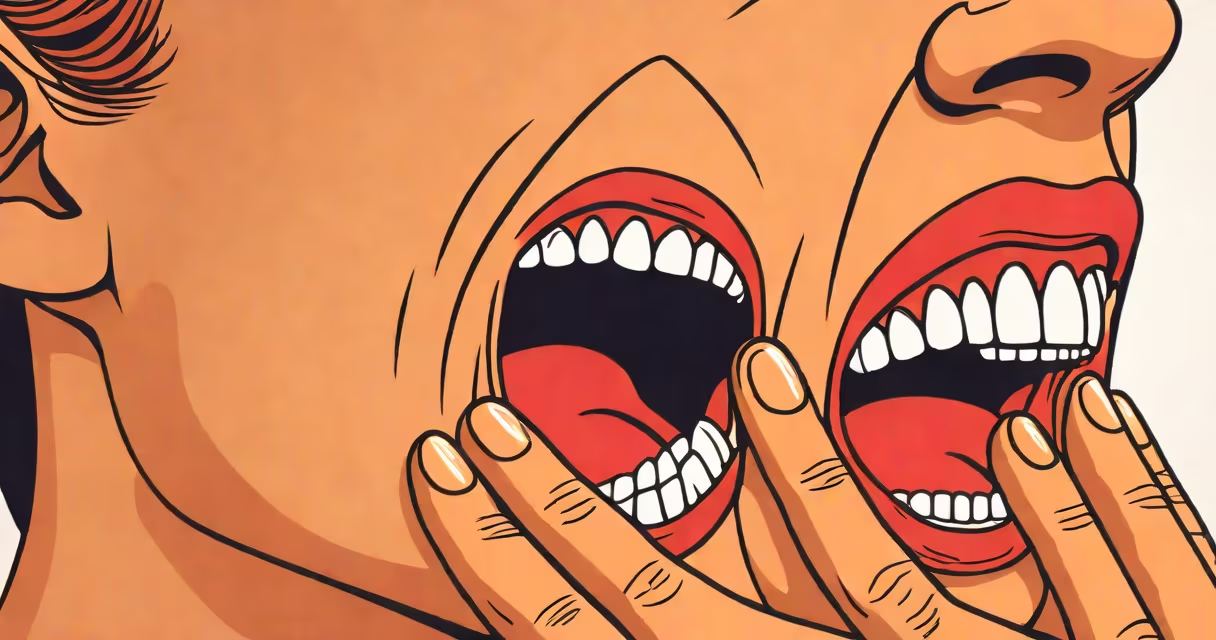
tooth pain that goes into jaw describes pain originating in a tooth that radiates along the jawline, often reaching the ear, temple, or neck. This pattern typically indicates nerve involvement, infection, or referred pain from a dental issue. The trigeminal nerve, which supplies sensation to the face and mouth, transmits signals from teeth to the jaw and surrounding areas.
Pain that starts in a single tooth and spreads to the jaw is rarely due to jaw joint problems alone. Instead, it usually stems from a deep cavity, cracked tooth, infected pulp, or abscess. These conditions irritate or compress the nerve inside the tooth, causing pain to travel along the nerve's pathway. The jawbone itself doesn't feel pain directly unless inflamed or damaged by trauma or infection.
According to the American Dental Association, untreated dental infections can spread to surrounding tissues, including the jawbone and facial sinuses. A 2021 study in the Journal of Oral Rehabilitation confirmed that 68% of patients reporting jaw pain had a primary dental cause, not temporomandibular joint (TMJ) disorder. This shows that jaw pain from teeth is common-and often misdiagnosed.
The trigeminal nerve has three branches: ophthalmic, maxillary, and mandibular. The mandibular branch supplies sensation to the lower teeth and jaw. When a tooth's nerve becomes inflamed-due to decay, trauma, or infection-it sends distress signals through this nerve. Because the nerve fibers converge in the brainstem, the brain may interpret the pain as coming from the jaw rather than the tooth.
This phenomenon is called referred pain. For example, a deep cavity in a lower molar may cause pain felt behind the ear or in the side of the jaw. The brain receives overlapping sensory input from nearby structures, leading to confusion in pain localization. Patients often describe the pain as "burning," "throbbing," or "shooting" along the jawline.
A 2019 clinical review in Neurology Today noted that referred pain from dental sources accounts for up to 30% of facial pain cases initially diagnosed as migraines or TMJ disorders. Misdiagnosis delays treatment and increases risk of complications like osteomyelitis (jawbone infection).
Several dental conditions can trigger tooth pain that radiates into the jaw. The most frequent are:
| Condition | Key Symptoms | Why Pain Radiates |
|---|---|---|
| Dental abscess | Severe throbbing pain, swelling, pus, fever | Infection spreads from root tip into jawbone tissue |
| Deep decay or cracked tooth | Pain with hot/cold, sharp pain when biting | Nerve irritation from exposed dentin or pulp |
| Referred pain from sinusitis | Pressure in upper jaw, pain worsens lying down | Maxillary sinuses sit above upper molars; inflammation affects shared nerves |
| Trigeminal neuralgia | Sudden, electric-shock-like pain in jaw or face | Neurological condition mimicking tooth pain; often misdiagnosed |
One key distinction: true jaw pain from TMJ disorder usually involves clicking, limited jaw movement, or tenderness in the joint area. Pain from a tooth rarely causes joint stiffness. If your jaw locks or clicks when opening wide, the issue may be TMJ-but if the pain starts in a tooth and spreads, it's likely dental.
I once treated a patient who reported constant jaw pain on the left side. He'd seen three doctors-two neurologists and a physical therapist-before visiting my clinic. His pain began in a molar, worsened at night, and woke him up. After a dental X-ray, we found a large abscess under the tooth. Once drained and treated with antibiotics, his jaw pain resolved within 48 hours. The pain wasn't neurological-it was rooted in a tooth.
tooth pain that goes into jaw should not be ignored. Delayed treatment increases the risk of spreading infection, bone loss, or systemic illness. The Mayo Clinic warns that untreated dental infections can lead to sepsis, especially in people with weakened immune systems.
Seek immediate care if you have:
Even mild pain that radiates to the jaw should prompt a dental visit. Early intervention prevents complications. A dentist can confirm the source using X-rays, a cold test (to check nerve vitality), or a percussion test (tapping the tooth).
tooth pain that goes into jaw is not the same as TMJ pain. TMJ disorders involve the joint between the jawbone and skull. They often cause dull, aching pain in front of the ear, difficulty opening the mouth wide, or a clicking sound. While both can cause jaw discomfort, TMJ pain rarely originates in a specific tooth.
Another misconception: jaw pain from a tooth never means you need a root canal. Some people assume any tooth pain requires one. But a small cavity may only need a filling. A root canal is reserved for irreversible pulpitis or confirmed infection. Over-treatment risks unnecessary procedures and cost.
Finally, pain that feels like it's in the jaw but started in the ear or temple is unlikely to be dental. That pattern suggests issues with the salivary glands, ear infection, or even trigeminal neuralgia. A dentist can rule out dental causes quickly with imaging and clinical tests.
Understanding the origin of tooth pain that goes into jaw prevents unnecessary treatments and speeds recovery. If the pain begins in a tooth and moves to the jaw, it's almost always dental in nature. Address it early.