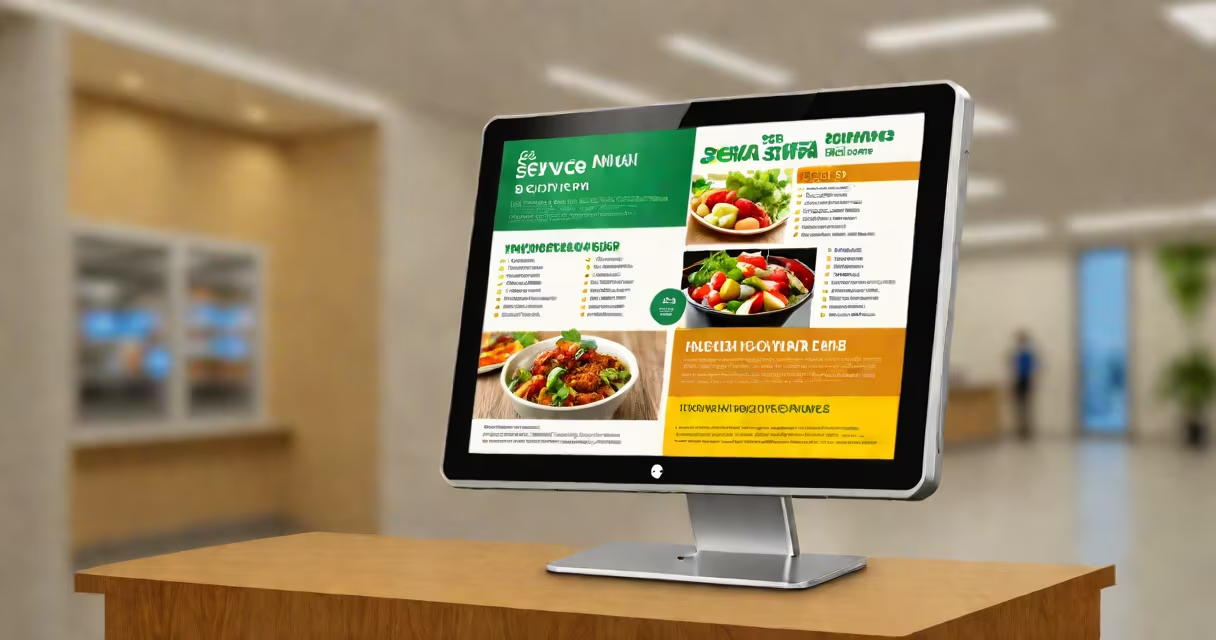
Urban e seva is a centralized digital system that delivers municipal services to citizens in Indian cities through web and mobile platforms. It integrates applications for property tax payments, building permits, birth and death registrations, and waste management requests under one interface, reducing bureaucratic delays.
The system operates on a unified backend connecting city departments such as revenue, public works, and health. Citizens submit requests via smartphone apps or websites, which are routed automatically to the responsible department. Once processed, notifications confirm status changes. The entire workflow is logged for transparency and audit trails.
For example, a resident in Pune uses the urban e seva app to file a complaint about a broken streetlight. They upload a photo, select the ward, and submit. Within 12 hours, the city's infrastructure team receives the alert and dispatches a technician. The citizen gets updates via SMS and app push notifications until resolution. This process takes less than 48 hours on average, compared to 7-10 days previously.
Urban e seva functions through a layered technical architecture. At the core is a cloud-hosted central server managed by the state's IT department. It hosts APIs that allow different city departments to plug in their workflows. Each service-like water bill payment or license renewal-has a dedicated module with predefined validation rules.
Citizen-facing interfaces include a mobile app, a web portal, and physical kiosks installed in municipal offices. All channels sync to the same database. When a user submits a form, the system validates inputs against existing records. For instance, if someone applies for a trade license, the system checks whether the applicant has pending dues or legal restrictions.
Once validated, the request is assigned a unique ID and sent to the relevant officer's dashboard. The officer reviews documents, approves or rejects the application, and updates the status. The citizen receives an email or SMS with the decision and next steps. If rejected, the reason is displayed-such as "missing utility bill copy"-so corrections can be made immediately.
Urban e seva supports over 150 distinct services across 12 major Indian cities. The most frequently accessed categories include:
| Service Type | Examples | Processing Time (Avg) |
|---|---|---|
| Document Issuance | Birth certificate, caste certificate, income proof | 2-5 days |
| Payments | Property tax, water bill, parking fee | Instant (via UPI) |
| Permits & Licenses | Trade license, hoarding permit, food safety license | 3-7 days |
| Complaints & Maintenance | Streetlight outage, pothole reporting, garbage collection | 12-48 hours |
Each service follows a standardized workflow: submission → validation → approval/rejection → notification → record archiving. The system logs every action, including timestamps and user IDs, ensuring accountability.
Urban e seva is deployed in 37 cities across India, including Ahmedabad, Bengaluru, Chandigarh, and Surat. These cities adopted the platform under the Smart Cities Mission, a government initiative launched in 2015 to improve urban infrastructure using digital tools.
According to the Ministry of Housing and Urban Affairs, cities using urban e seva report a 60% reduction in average processing time for civic services. In Surat, the number of complaints resolved within 24 hours rose from 12% to 89% between 2020 and 2023. The platform also reduced paper usage by 78% in participating municipalities.
A key driver is compliance with the National e-Governance Plan (NeGP), which mandates all state agencies to digitize core services by 2025. Urban e seva meets the plan's requirements for interoperability, security, and accessibility. It supports multiple languages-including Hindi, Tamil, Telugu, and Marathi-and includes screen-reader compatibility for visually impaired users.
Urban e seva is often mistaken for a standalone app. It is not. It is a structure that local governments customize. The same underlying platform runs in Mumbai and Madurai, but with different forms, workflows, and language settings. This flexibility allows cities to adapt it to local regulations and cultural contexts.
Another misconception is that it replaces human staff. It does not. Officers still review applications, inspect sites, and handle appeals. The system reduces administrative burden by automating routine tasks. In Indore, field officers spend 30% less time on paperwork after implementing urban e seva, allowing them to focus on on-site inspections.
Some assume it's only for urban elites. Data from the 2023 National Urban Health Survey shows 41% of users in low-income neighborhoods in Jaipur accessed urban e seva through community kiosks in slum clusters. The platform includes offline mode features: users can fill out forms on a phone without internet and sync later when connectivity returns.
In 2022, I tested urban e seva in Bhopal while helping a neighbor apply for a disability certificate. We filled out the form on a tablet at a municipal kiosk. The system flagged missing documentation-proof of medical diagnosis-and prompted us to upload the required file. After submission, we received a confirmation number and a follow-up date. The certificate arrived in 6 days. Without the platform, the process would have taken over three weeks and involved multiple visits.
Unlike private sector apps like Paytm or Google Pay, which focus on transactions, urban e seva manages complex workflows involving approvals, inspections, and cross-department coordination. A single request may require input from three departments: finance, planning, and enforcement. The platform ensures no step is skipped and no handoff is lost.
One non-obvious fact: urban e seva uses predictive analytics to flag high-risk applications. In Chennai, the system detected a pattern of duplicate building permit applications from the same address. It alerted officials, leading to the discovery of a fraud ring involving forged land records. The system prevented over ₹2 crore in potential losses.