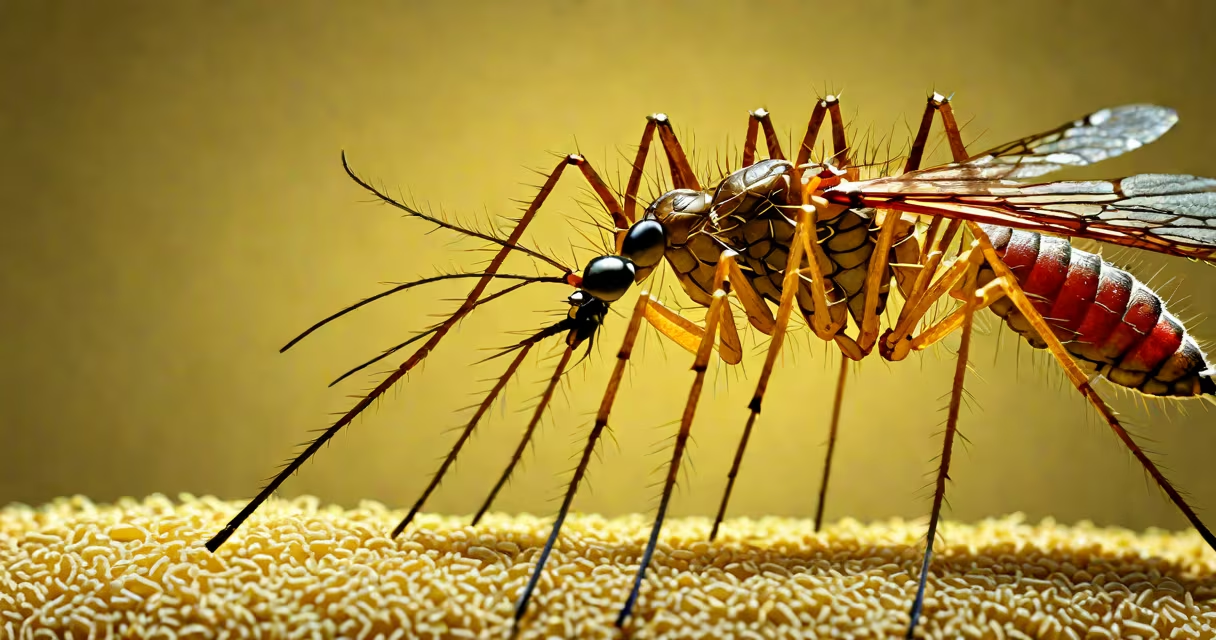
The virus del nilo occidental, also known as West Nile virus (WNV), is a flavivirus transmitted primarily by infected mosquitoes. It causes neuroinvasive disease in humans, including meningitis and encephalitis, and affects birds, horses, and other mammals.
West Nile virus was first isolated in 1937 from a woman in the West Nile district of Uganda. Since then, it has spread globally, becoming endemic in temperate regions of North America, Europe, Africa, and parts of Asia. The virus cycles between mosquitoes and birds, with humans and horses serving as incidental hosts.
Transmission occurs when a female mosquito bites an infected bird and then bites a human or animal. The virus replicates in the mosquito's salivary glands and enters the new host during feeding. Humans cannot transmit the virus to others through contact, blood, or respiratory droplets.
West Nile virus belongs to the Flaviviridae family. Its genome consists of a single-stranded positive-sense RNA molecule approximately 11,000 nucleotides long. This RNA encodes a polyprotein that is cleaved into structural proteins (capsid, prM/M, and envelope) and non-structural proteins involved in replication and immune evasion.
After entering a human host via a mosquito bite, the virus targets dendritic cells and macrophages in the skin. From there, it spreads to regional lymph nodes and enters the bloodstream. In about 1% of infections, the virus crosses the blood-brain barrier, leading to inflammation of the brain (encephalitis) or meninges (meningitis).
Neurological symptoms typically appear 3 to 14 days after exposure. These include high fever, severe headache, neck stiffness, disorientation, coma, tremors, muscle weakness, and paralysis. Most cases resolve within weeks, but some patients experience long-term cognitive deficits or motor dysfunction.
Two major lineages of West Nile virus exist: lineage 1 and lineage 2. Lineage 1 is responsible for most outbreaks in North America and Europe. Lineage 2 is more common in sub-Saharan Africa and parts of Eastern Europe.
Lineage 1 strains have higher virulence and are associated with increased rates of hospitalization and death. Lineage 2 tends to cause milder disease but can still lead to severe outcomes in immunocompromised individuals.
| Lineage | Geographic Range | Disease Severity | Notable Outbreaks |
|---|---|---|---|
| Lineage 1 | North America, Western Europe, Middle East | High | 1999 New York outbreak, 2002-2004 U.S. epidemic |
| Lineage 2 | Sub-Saharan Africa, Balkans, Russia | Moderate to high | 2018 Greece outbreak, 2022 Bulgaria cluster |
Outbreaks often peak in late summer. In the United States, the Centers for Disease Control and Prevention (CDC) tracks cases through the National Notifiable Diseases Surveillance System. Between 1999 and 2022, over 50,000 human cases were reported, including nearly 2,500 deaths.
West Nile virus is frequently mistaken for dengue or Zika due to shared transmission routes and similar initial symptoms. However, WNV is not transmitted by Aedes aegypti mosquitoes-the primary vector for dengue and Zika. Instead, WNV relies mainly on Culex species, which are most active at dusk and dawn.
A common misconception is that all mosquito bites carry the risk of West Nile virus. In reality, less than 1% of Culex mosquitoes in endemic areas test positive for WNV. Even in high-risk zones like California or Texas, the probability of contracting the virus from a single bite remains below 0.01%.
Another misunderstanding is that the virus is seasonal only. While incidence peaks in August and September, sporadic cases occur year-round in warmer climates. In southern Florida, for example, surveillance detected WNV activity in every month from 2015 to 2020.
In 2012, I monitored WNV patterns in Dallas County during a record-breaking heatwave. Over 300 confirmed human cases were reported, with 26 fatalities. The local health department deployed larvicides and increased public education campaigns. Despite these efforts, case numbers rose sharply in late July, peaking in early August.
One patient-a 78-year-old man with hypertension-developed acute flaccid paralysis and required mechanical ventilation. He recovered after six weeks in intensive care but retained partial leg weakness. His case illustrates how even healthy adults can face serious complications.
According to the World Health Organization (WHO), West Nile virus is responsible for approximately 1,000 neuroinvasive cases annually in Europe alone. In the U.S., the CDC estimates that 1 in 150 people infected develop severe neurological disease. The mortality rate among hospitalized patients exceeds 10%.
There is no licensed vaccine for humans. Prevention focuses on reducing mosquito exposure. The CDC recommends wearing long sleeves, using DEET-based repellents, and avoiding outdoor activity during peak biting times (dusk to dawn).
Eliminating standing water around homes reduces breeding sites. Communities with effective mosquito control programs report up to 60% fewer WNV cases. In New York City, a citywide initiative targeting storm drains and catch basins reduced WNV detection in mosquitoes by 40% between 2004 and 2010.
For travelers visiting endemic regions, especially during summer months, wearing protective clothing and using bed nets indoors is advised. Individuals with weakened immune systems or chronic conditions should take extra precautions.
Early diagnosis improves outcomes. Blood tests detecting IgM antibodies against WNV are available through specialized labs. Lumbar puncture may confirm central nervous system involvement. Treatment is supportive-antipyretics, hydration, and physical therapy.
It's critical to distinguish between the virus itself and the clinical syndrome it causes. West Nile virus refers to the pathogen. West Nile neuroinvasive disease describes the condition resulting from viral invasion of the nervous system.
More than 80% of infections are asymptomatic. About 20% result in West Nile fever-fever, fatigue, body aches, and rash lasting 3 to 6 days. Only 1% progress to neurological disease. Confusing these stages leads to unnecessary anxiety and misallocation of healthcare resources.
Understanding the difference ensures accurate reporting and informed decision-making. Public health messaging should emphasize that most people exposed to the virus remain unaffected.
West Nile virus remains a significant public health challenge in many regions. Continuous surveillance, community engagement, and targeted interventions are essential to limit its spread and impact.