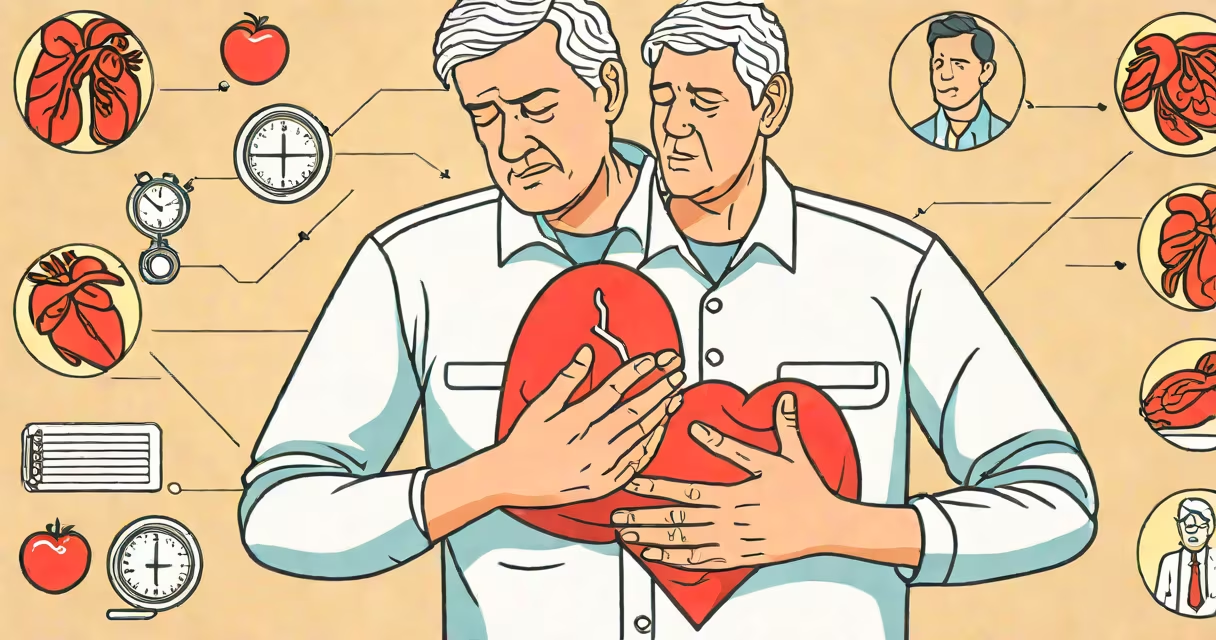
Angina is chest discomfort caused by reduced blood flow to the heart muscle, typically due to narrowed coronary arteries. It signals that the heart isn't getting enough oxygen-rich blood, often during exertion or stress. The condition is a warning sign of underlying coronary artery disease.
Angina occurs when the heart's demand for oxygen exceeds supply. This imbalance triggers pain or pressure in the chest, usually lasting 1-10 minutes. Episodes typically resolve with rest or nitroglycerin. The sensation is often described as tightness, squeezing, heaviness, or burning-not always sharp pain.
According to the American Heart Association, about 6 million adults in the U.S. experience angina annually. It affects men and women differently: men more commonly report crushing chest pain, while women are more likely to have atypical symptoms such as fatigue, nausea, or shortness of breath.
When plaque builds up in coronary arteries, it restricts blood flow. During physical activity or emotional stress, the heart needs more oxygen. If blood flow can't meet demand, myocardial ischemia occurs-this is the physiological basis of angina.
The brain interprets the lack of oxygen in heart tissue as pain. The discomfort typically radiates from the center of the chest to the left arm, neck, jaw, or back. Not everyone feels pain in the same way. Some people describe it as pressure behind the breastbone, others feel a sense of fullness or indigestion.
A 2021 study published in Circulation found that 38% of patients with acute coronary syndrome initially presented with non-chest pain symptoms. This highlights the importance of recognizing atypical presentations, especially in older adults and people with diabetes, who may have diminished nerve sensitivity.
There are three main types: stable, unstable, and variant (Prinzmetal's). Each has different triggers, duration, and clinical significance.
| Type | Triggers | Duration | Onset Pattern | Risk Level |
|---|---|---|---|---|
| Stable angina | Physical exertion, cold weather, stress | 1-10 minutes | Reproducible, predictable | Moderate |
| Unstable angina | Can occur at rest, unpredictable | Longer than 10 minutes, may not resolve with rest | Worsening frequency or severity | High - indicates acute risk |
| Variant (Prinzmetal's) | At rest, often late at night | 5-30 minutes | Episodic, related to coronary spasm | High - can lead to arrhythmias |
Stable angina follows a consistent pattern. A 58-year-old man walking uphill experiences chest pressure that resolves after sitting down for five minutes. He takes nitroglycerin and feels relief within two minutes. This is typical of stable angina.
Unstable angina is more dangerous. It can happen suddenly, even at rest. A woman wakes up at 2 a.m. with intense chest pressure that doesn't go away after resting or taking medication. She calls 911. This pattern suggests plaque rupture and potential impending heart attack.
Variant angina is less common but serious. It results from sudden spasms in coronary arteries, not blockages. A 42-year-old woman reports severe chest pain at 1 a.m., lasting 15 minutes. Her ECG shows ST-segment elevation during episodes-diagnostic for Prinzmetal's angina.
Many people mistake angina for heartburn or muscle strain. Chest pain from acid reflux often occurs after eating and improves with antacids. Angina typically happens during or after exertion and doesn't respond to antacids.
Another misconception is that only men get angina. Women are underdiagnosed because they often present with fatigue, dizziness, or shortness of breath rather than classic chest pain. The National Institutes of Health notes that women are 20% less likely to receive timely treatment for cardiac events.
A non-obvious fact: angina can occur without chest pain. In patients with diabetes, autonomic neuropathy can blunt pain perception. A 67-year-old diabetic man reported only sweating and weakness during a cardiac event. His EKG showed changes consistent with ischemia. This underscores the need for vigilance in high-risk groups.
If chest discomfort lasts longer than 5 minutes, worsens, or occurs at rest, treat it as a medical emergency. Call 911 immediately. Do not drive yourself to the hospital.
I once observed a patient in a clinic who described "tightness" in his chest after climbing stairs. He had been ignoring it for months. After a stress test confirmed significant blockage, he underwent angioplasty. His symptoms resolved completely. This case illustrates how early recognition prevents irreversible damage.
For those experiencing new or worsening symptoms, see a cardiologist. Diagnostic tools include electrocardiograms (ECGs), stress tests, echocardiograms, and coronary angiography. Early diagnosis reduces the risk of heart attack by up to 50%, according to the American College of Cardiology.