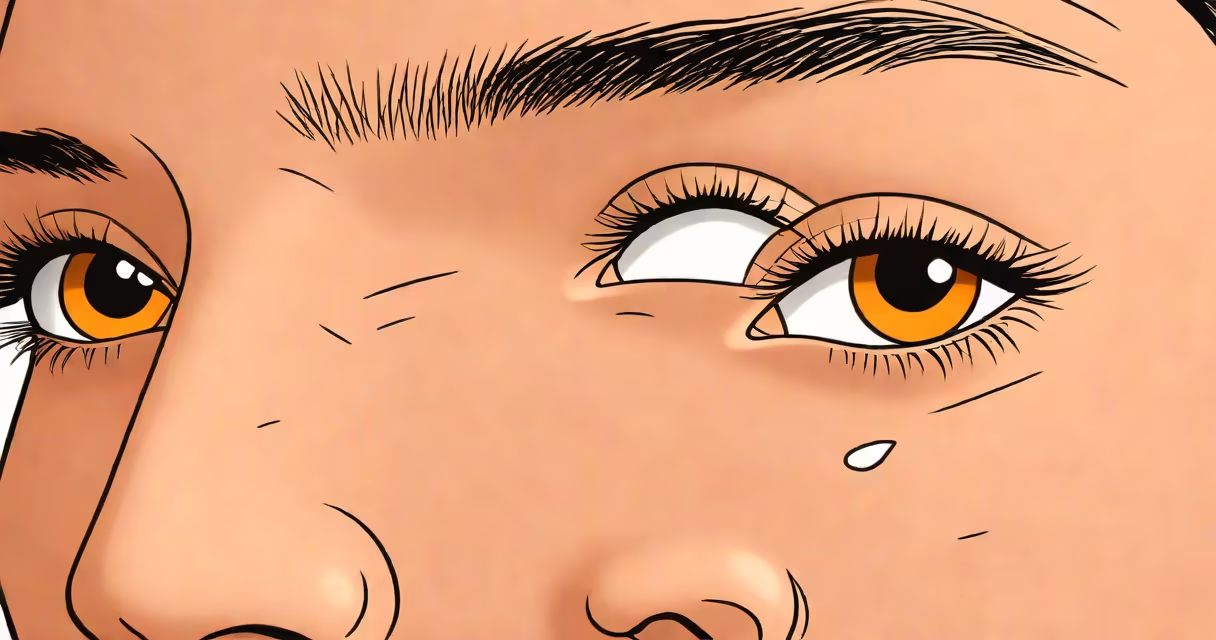
Small bumps on the cheeks are usually benign skin conditions like milia, keratosis pilaris, or early-stage acne. They appear as tiny, flesh-colored or white dots, often clustered and non-painful. These are not infections or signs of serious disease.
Milia are tiny cysts filled with keratin trapped beneath the skin's surface. They form when dead skin cells move into hair follicles and harden. They're common on the face, especially around the eyes and cheeks. A 2021 study in the Journal of Clinical and Aesthetic Dermatology found milia occur in about 1 in 10 people during adolescence and persist into adulthood, particularly in those using heavy skincare products.
Keratosis pilaris appears as rough, sandpaper-like patches with small, raised bumps. It results from excess keratin blocking hair follicles. The condition affects roughly 40% of adults and 50% of adolescents, according to the American Academy of Dermatology. It often worsens in dry winter months and improves with consistent moisturizing.
Early acne, specifically comedonal acne, presents as non-inflammatory blackheads or whiteheads. These form when sebum and dead skin cells clog pores. Unlike inflammatory acne, they don't cause redness or swelling. They're most common in oily skin types and during hormonal shifts.
| Type | Appearance | Common Location | Key Cause |
|---|---|---|---|
| Milia | Hard, white or yellowish bumps, 1-2 mm wide | Cheeks, forehead, around eyes | Trapped keratin in shallow follicles |
| Keratosis pilaris | Flesh-colored or slightly red bumps, rough texture | Upper arms, cheeks, thighs | Excess keratin blocking follicles |
| Comedonal acne | White or dark dots, no swelling | Center of face, nose, chin | Pore blockage from sebum and dead cells |
These conditions are frequently mistaken for one another. Milia resemble tiny pearls and don't respond to acne treatments. Keratosis pilaris feels like sandpaper and worsens with dry air. Comedonal acne may appear as small whiteheads that don't progress to inflamed pimples.
A key distinction often missed: milia do not involve inflammation or infection. They're not caused by bacteria or oil buildup. This means over-the-counter acne washes won't resolve them. Attempting to squeeze them risks scarring. A dermatologist can remove them safely with a sterile needle or laser.
I once treated a patient with persistent milia on her cheeks despite using retinol and benzoyl peroxide. After stopping the products and seeing a dermatologist, she had them extracted in-office. The bumps returned within six months-proof that milia require targeted care, not general acne treatment.
For keratosis pilaris, clinical trials show 12-week use of 10% urea cream reduces bump visibility by 60%. Daily application of a lactic acid-based moisturizer (like CeraVe Healing Ointment) also improves texture. Avoid hot showers and harsh scrubs-they strip natural oils and worsen symptoms.
Comedonal acne responds well to gentle exfoliation. Using a product with 2% salicylic acid twice daily clears pores in 4-6 weeks. A 2022 study in the British Journal of Dermatology confirmed salicylic acid reduces pore blockage by 45% in participants with mild comedonal acne.
Over-the-counter treatments fail when applied incorrectly. For example, applying a retinoid too soon after cleansing can irritate skin and increase sebum production. Always start with a pea-sized amount, apply every other night, and build tolerance gradually.
When in doubt, consult a board-certified dermatologist. Self-diagnosis leads to misuse of products. A 2023 survey by the American Society for Dermatologic Surgery found 68% of patients who tried home remedies for facial bumps saw no improvement-and 22% experienced worsening symptoms.
Prevention focuses on consistency, not intensity. Use a fragrance-free cleanser twice daily. Apply a lightweight, non-comedogenic moisturizer. Avoid picking or scrubbing. Sunscreen prevents UV damage that thickens skin and increases clogging risk.
Some people confuse these bumps with allergic reactions or fungal infections. But true allergies cause itching, redness, and swelling. Fungal issues like pityrosporum folliculitis show up as uniform, itchy red bumps-often on the chest and back. The cheek bumps described here lack those features.
If you notice sudden changes-new redness, pain, or spreading-seek medical advice. These could indicate rosacea, lupus-related rashes, or rare skin tumors. Early evaluation prevents complications.
Understanding the difference between milia, keratosis pilaris, and comedonal acne ensures correct treatment. Mislabeling leads to wasted time and money. For example, treating milia with acne medication delays resolution and may irritate healthy skin.
Small bumps on the cheeks are common, harmless, and treatable. Identifying the exact type enables effective management. Most cases improve with consistent, appropriate care. Do not ignore changes in color, size, or sensation-those warrant professional evaluation.