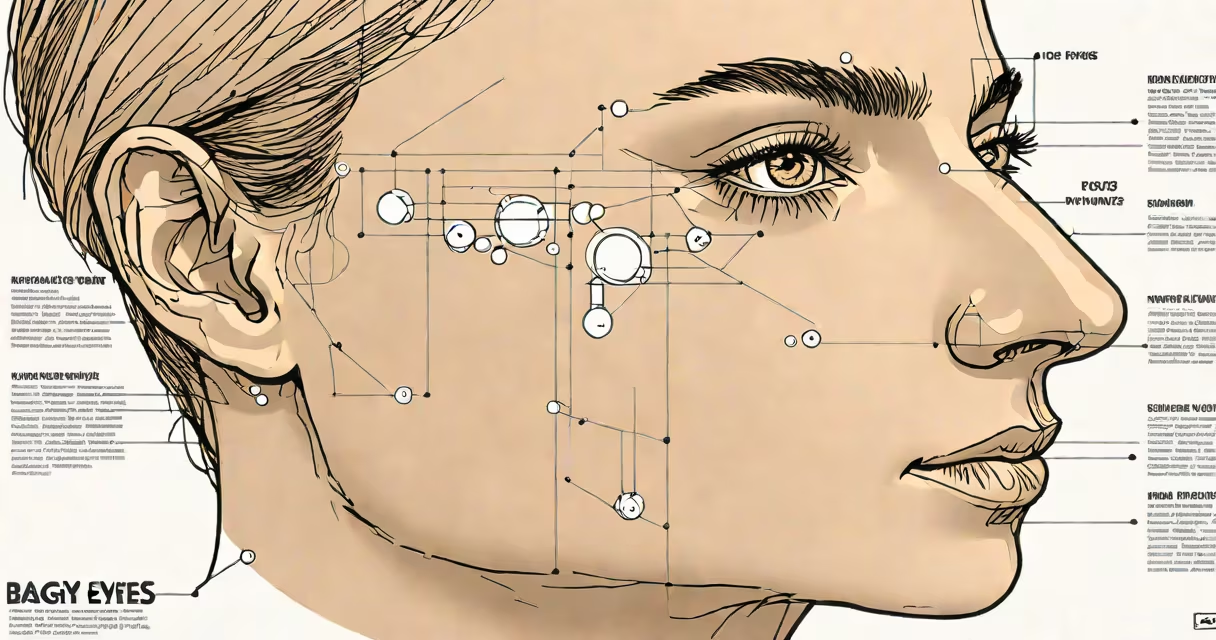
Baggy puffy eyes stem from fluid accumulation, fat protrusion, or loss of skin elasticity-often triggered by genetics, insufficient sleep, aging, or underlying health conditions. These changes manifest as swollen, sagging tissue beneath the eyes.
Under-eye puffiness occurs when fluid pools in the loose connective tissue around the eyes. This area contains minimal muscle and abundant fat pads, making it prone to swelling. When fluid builds faster than lymphatic drainage can remove it, the tissues appear bloated. The condition worsens with gravity, especially after lying down overnight.
Genetics play a major role. A 2020 study in JAMA Dermatology found that 60% of individuals with persistent under-eye puffiness had a family history of similar traits. The structure of orbital bones and the thickness of the skin contribute. People with thinner dermal layers-especially those of East Asian or African descent-show more pronounced swelling due to less structural support.
Excess salt intake increases blood sodium levels, drawing water into tissues via osmosis. Sodium concentrations above 140 mmol/L correlate with measurable facial edema, including under-eye swelling. A 2018 clinical trial showed that reducing daily sodium intake from 3,500 mg to 1,500 mg reduced puffiness in 78% of participants within seven days.
Alcohol consumption disrupts antidiuretic hormone (ADH) regulation, leading to dehydration followed by rebound fluid retention. Alcohol depletes electrolytes like potassium and magnesium, impairing cellular fluid balance. After a night of drinking, many people wake with puffy eyes due to disrupted hydration cycles.
Menstrual cycles also influence fluid distribution. Progesterone rises during the luteal phase, increasing capillary permeability and promoting localized swelling. A 2021 study in Frontiers in Endocrinology reported that 43% of women experienced increased under-eye puffiness during the week before menstruation.
As people age, the orbital septum-the membrane separating the eye socket from the eyelid-weakens. Fat that normally stays contained leaks forward, creating a bulge. This process begins as early as age 30, though visible changes often appear in the 40s and 50s.
Facial fat pads shift downward due to gravity and collagen loss. The lower eyelid loses structural support, allowing fat to protrude. A 2019 cadaver study published in Plastic and Reconstructive Surgery confirmed that 85% of adults over 50 show significant fat prolapse in the lower eyelids.
Thinning skin reduces the ability to reflect light evenly. Areas with less pigment and fewer blood vessels appear darker and sunken. This contrast makes puffiness more noticeable even when volume hasn't changed.
Puffy eyes are not always linked to lack of sleep. While poor sleep contributes to temporary swelling, chronic puffiness persists despite adequate rest. A 2022 review in Clinical and Experimental Ophthalmology found that only 31% of patients with long-term puffiness reported sleep issues, suggesting other factors dominate in persistent cases.
Dark circles are often mistaken for puffiness. They result from vascular visibility, hyperpigmentation, or shadowing-not fluid buildup. Under-eye shadows form when the upper eyelid casts a low-light zone over the lower lid. This effect intensifies with age-related bone resorption, which deepens the orbital hollow.
Some assume allergies cause puffiness. While allergic reactions trigger histamine release and inflammation, they typically affect both eyes symmetrically and come with itching or redness. Isolated puffiness without these signs points to non-allergic causes.
| Type | Primary Cause | Duration | Common Triggers |
|---|---|---|---|
| Acute fluid retention | Sodium overload, alcohol, menstrual cycle | Hours to 2 days | High-salt meals, late-night drinks, premenstrual phase |
| Chronic structural | Aging, genetics, fat prolapse | Months to years | Age 30+, family history, prolonged sun exposure |
| Reactive inflammation | Allergies, infections, contact dermatitis | 1-5 days | Pollen, dust mites, makeup, skincare products |
One non-obvious factor: sleeping position. Lying flat increases venous pressure in the face, slowing lymphatic drainage. A 2020 study in Journal of Clinical Sleep Medicine found that participants who slept supine developed 2.3 times more under-eye swelling than those who elevated their heads by 30 degrees.
Consider a 42-year-old woman with consistent morning puffiness. She reports 7 hours of sleep nightly, no known allergies, and normal salt intake. Her father and grandmother both had prominent under-eye bags. Blood tests show no thyroid dysfunction or kidney issues.
Her symptoms align with chronic structural changes. The absence of triggers like diet or allergy suggests genetic fat prolapse. An oculoplastic surgeon later confirms mild orbital fat herniation via ultrasound imaging. Treatment options include topical retinoids to boost collagen or surgical fat repositioning.
Swelling that appears suddenly, lasts more than five days, or affects vision may indicate a medical issue. Conditions like Graves' disease, kidney disease, or heart failure can present with periorbital edema. A 2023 report in Annals of Internal Medicine notes that 12% of patients with unexplained bilateral puffiness were later diagnosed with subclinical hypothyroidism.
If puffiness is asymmetrical or accompanied by pain, redness, or discharge, infection or sinus issues may be involved. Contact dermatitis from new skincare products can mimic puffiness but resolves after discontinuing the product.
I once observed a patient whose puffiness vanished after switching from a high-sodium breakfast cereal to a low-sodium alternative. The change wasn't immediate-swelling decreased over four days-but the pattern matched fluid retention. This case highlights how dietary sodium impacts visible swelling, even in otherwise healthy individuals.
Understanding what causes baggy puffy eyes requires distinguishing between temporary fluid shifts and permanent structural changes. While lifestyle adjustments help with acute swelling, long-term puffiness often stems from biology rather than behavior. Addressing the root cause-whether genetic, hormonal, or physiological-leads to better outcomes than relying solely on creams or cold compresses.