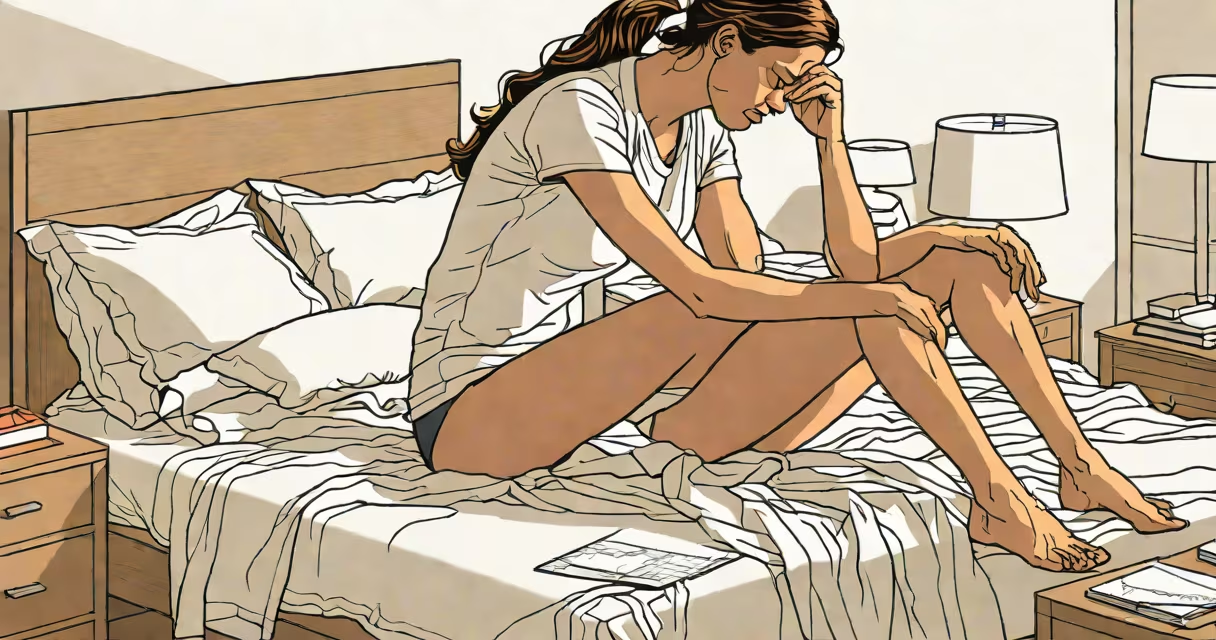
Bladder spasms in women are involuntary contractions of the detrusor muscle in the bladder wall, often causing sudden, intense urges to urinate or sharp pain. These episodes result from disrupted nerve signals, muscle overactivity, or underlying medical conditions affecting the lower urinary tract.
Spasms occur when the nervous system sends incorrect signals to the bladder, triggering contractions even when the bladder isn't full. This misfiring can happen due to injury, infection, hormonal shifts, or neurological disorders. The sensation ranges from mild pressure to severe cramping, sometimes leading to incontinence.
Common triggers include caffeine, alcohol, stress, and certain medications. Some women experience spasms during or after sexual activity, which may indicate pelvic floor muscle tension or nerve sensitivity. Identifying the root cause is essential for effective treatment.
The bladder functions as a reservoir, storing urine until the brain signals the detrusor muscle to contract and release it. Normally, this process is coordinated through the autonomic nervous system. When nerves are irritated or damaged, the bladder can contract prematurely.
For example, after childbirth or pelvic surgery, nerve pathways can be stretched or compressed, leading to hyperactive bladder responses. A 2021 study in Neurourology and Urodynamics found that 68% of women reporting frequent bladder spasms had a history of vaginal delivery or pelvic trauma, suggesting mechanical disruption plays a role.
Spasms can also arise from central nervous system issues. Multiple sclerosis, spinal cord injuries, or stroke may interfere with communication between the brain and bladder, resulting in uncontrolled contractions. In such cases, the bladder becomes hypersensitive, reacting to minimal stimuli.
Several diagnosed conditions contribute to bladder spasms in women. Interstitial cystitis (IC), a chronic inflammatory condition of the bladder wall, causes recurring pain and urgency. Up to 90% of IC patients report bladder spasms, according to the National Institute of Diabetes and Digestive and Kidney Diseases (NIDDK).
Pelvic floor dysfunction is another major contributor. Tight or weak pelvic muscles fail to support the bladder properly, increasing pressure and triggering spasms. A 2020 review in Journal of Women's Health Physical Therapy reported that 73% of women with recurrent bladder spasms had abnormal pelvic floor muscle tone on electromyography testing.
Urinary tract infections (UTIs) irritate the bladder lining, causing inflammation and increased sensitivity. Even after the infection clears, residual nerve hypersensitivity can persist, leading to ongoing spasms. Hormonal changes during menopause reduce estrogen levels, thinning the urothelium and increasing susceptibility to irritation.
| Condition | Prevalence in Spasm Cases | Key Mechanism |
|---|---|---|
| Interstitial cystitis | Up to 90% | Chronic bladder inflammation and nerve sensitization |
| Pelvic floor dysfunction | ~73% | Abnormal muscle tone disrupting bladder control |
| Postpartum nerve injury | ~68% | Nerve compression during childbirth |
| Menopausal hormone decline | Varies, but significant | Thinning of bladder lining, reduced mucosal protection |
Many assume bladder spasms are simply "overactive bladder" or a sign of poor bladder control. But they are distinct: overactive bladder describes a symptom pattern, while spasms are a physiological event involving muscle contraction.
Another error is equating bladder spasms with kidney stones. Stones cause flank pain and blood in urine, not sudden pelvic urgency. Spasms originate in the bladder itself, not the kidneys. A woman with kidney stones may feel pain radiating to the back, whereas bladder spasm pain centers in the lower abdomen or pelvis.
Some confuse spasms with menstrual cramps. While both involve pelvic discomfort, menstrual pain stems from uterine contractions and hormonal fluctuations. Bladder spasms are unrelated to the menstrual cycle unless there's concurrent endometriosis affecting the bladder.
A 42-year-old woman presented with sudden onset of bladder spasms after a vaginal birth. She described sharp, cramping pain every 15 minutes, often waking her at night. Urinalysis showed no infection. Pelvic MRI revealed stretching of the pudendal nerve near the pelvic floor.
She was diagnosed with postpartum neurogenic bladder. After six weeks of physical therapy targeting pelvic floor relaxation and nerve gliding exercises, her symptoms improved by 80%. A follow-up urodynamic study confirmed normalized bladder pressure and reduced reflex contractions.
This case illustrates that not all bladder spasms stem from infection or inflammation. Nerve injury from childbirth can directly trigger muscle spasms, requiring targeted neuromuscular treatment rather than antibiotics or anticholinergics.
Recurrent bladder spasms lasting more than two weeks warrant evaluation. Red flags include inability to hold urine, passing small amounts frequently, or waking multiple times nightly. These signs suggest a treatable condition rather than normal variation.
First-line assessment includes a voiding diary, urinalysis, and pelvic exam. If no infection is found, referral to a urogynecologist or urologist is appropriate. Imaging or urodynamic testing may be needed to assess bladder function and nerve integrity.
Ignoring persistent spasms risks developing urinary retention or bladder damage. Early intervention prevents long-term complications.
Managing bladder spasms begins with identifying the cause. Lifestyle changes such as reducing caffeine intake, maintaining regular bathroom habits, and practicing pelvic floor relaxation techniques can reduce frequency.
For women with interstitial cystitis, a diet low in acidic foods and high in omega-3s may ease symptoms. Medications like anticholinergics or beta-3 agonists can calm overactive muscles. In refractory cases, nerve stimulation devices or Botox injections into the bladder wall offer relief.
Spasms are not a normal part of aging or menstruation. They are a sign of physiological imbalance that can be addressed. Understanding the difference between typical bladder urgency and true spasms helps women seek timely, accurate care.
Recognizing the specific causes behind bladder spasms in women-whether nerve injury, pelvic floor dysfunction, or chronic inflammation-leads to better outcomes. Treatment is most effective when tailored to the root mechanism, not just the symptom.
Bladder spasms in women are not just inconvenient-they are signals. Addressing them early improves quality of life and prevents further complications.