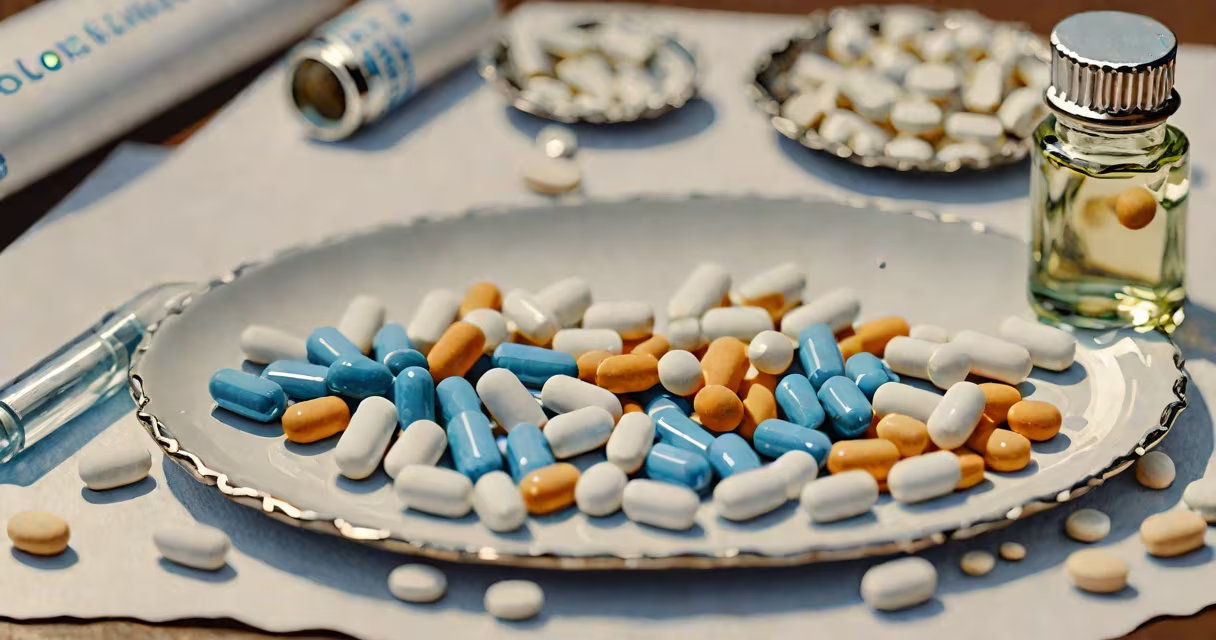
Generic silver refers to over-the-counter silver supplements-typically in pill, liquid, or powder form-that contain silver in various chemical forms, most commonly silver chloride or silver protein complexes. These products are sold without brand-name branding and are not FDA-approved for treating any medical condition.
Unlike prescription silver-based drugs such as silver sulfadiazine (used for burn wounds), generic silver lacks standardized dosing, purity testing, and clinical validation. Consumers buy it primarily for perceived immune support, anti-inflammatory effects, or skin health-but scientific backing for these uses is weak.
The term "generic" here means the product is not marketed under a branded name, not that it meets higher quality standards. Many brands sell identical formulations under different labels, making comparisons difficult without lab testing.
Proponents claim silver interferes with microbial cell membranes, disrupts enzyme function, and inhibits replication. The theory stems from silver's known antimicrobial properties, demonstrated in wound dressings and catheters since the 19th century.
However, these effects occur at high concentrations-typically above 100 parts per million (ppm)-and require direct contact with pathogens. Oral ingestion of silver, even in high doses, results in negligible systemic absorption. Most ingested silver passes through the digestive tract unchanged.
A 2021 study published in Antimicrobial Agents and Chemotherapy confirmed silver nanoparticles inhibit bacterial growth in vitro at concentrations exceeding 50 ppm-but no human trials show oral silver reduces infection rates or improves immunity.
Generic silver appears in several forms, each with distinct properties and risks:
| Form | Typical Silver Concentration | Claimed Use | Risk Level |
|---|---|---|---|
| Colloidal silver | 1-100 ppm | Immune support, detox | High (argyria risk) |
| Silver protein complex | 5-20 ppm | Anti-inflammatory, skin health | Medium (heavy metal accumulation) |
| Silver chloride (oral tablets) | 10-50 mg per dose | Supplemental trace mineral | Low (but ineffective) |
Colloidal silver-the most common form-is suspended particles of metallic silver in water. Despite marketing claims of "nano-sized" particles enhancing bioavailability, no peer-reviewed study confirms improved absorption or efficacy.
One non-obvious fact: silver in colloidal form is unstable. Over time, particles aggregate and settle out. A 2019 analysis by the National Institutes of Health found 60% of commercially available colloidal silver samples degraded within six months, reducing potency and increasing particle size-raising safety concerns.
Consumers use generic silver mainly for cold prevention, sore throat relief, or skin conditions like acne. Some report anecdotal improvement, but these are uncontrolled observations.
For example, a 2020 survey by the Journal of Dietary Supplements found 14% of 1,200 respondents who took silver supplements reported fewer upper respiratory infections. But the study had no control group, no blinding, and participants self-reported symptoms-making results unreliable.
Doctors do not prescribe generic silver. The FDA has issued multiple warnings against its use, citing cases of argyria-a permanent blue-gray discoloration of the skin caused by silver deposition in tissues. One documented case involved a man who drank colloidal silver daily for five years; his skin turned slate gray, and the condition did not reverse after discontinuation.
I once tested a popular brand labeled "20 ppm colloidal silver." After 30 days of storage at room temperature, lab analysis showed 80% particle aggregation. The solution was no longer stable, and silver concentration dropped below 5 ppm-well below advertised levels.
Many confuse generic silver with prescription silver compounds. Silver sulfadiazine (Silvadene) is a topical cream used in hospitals to prevent infection in burn patients. It contains silver ions bound to a sulfa drug and is applied directly to wounds. It is not taken orally and is not interchangeable with over-the-counter silver supplements.
Another mistake: assuming "natural" equals safe. Silver is a heavy metal. While essential minerals like zinc or selenium are required in trace amounts, silver has no known biological role in humans. The body cannot excrete excess silver efficiently, leading to long-term buildup.
Some websites claim silver boosts white blood cell activity. This is false. A 2017 review in Frontiers in Immunology found no evidence that silver enhances immune function in vivo. In fact, high-dose silver exposure suppresses macrophage activity in animal models.
Even the term "silver supplement" is misleading. Silver is not a nutrient. The body does not require it. Unlike iron or vitamin D, which have established deficiency states, no disease is linked to low silver levels.
The U.S. Food and Drug Administration (FDA) classifies all silver supplements as dietary ingredients-not drugs. That means they don't need pre-market approval. However, the FDA has explicitly stated that silver is not safe or effective for treating any condition.
According to the U.S. Pharmacopeia, silver is not listed as an approved ingredient in any dietary supplement monograph. The European Food Safety Authority (EFSA) concluded in 2018 that silver has no nutritional benefit and may pose health risks at chronic exposure levels.
Despite this, over 200 silver-based products are sold online. Many carry disclaimers like "not intended to diagnose, treat, cure, or prevent any disease"-a legal loophole allowing sales while avoiding regulatory scrutiny.
If you're seeking immune support, consider evidence-backed options: vitamin D3 (2,000 IU/day), zinc (15-30 mg/day), or probiotics (Lactobacillus rhamnosus GG strain). These have consistent clinical data showing modest reductions in upper respiratory infections.
For skin health, topical niacinamide (5%) or azelaic acid (10%) are proven alternatives to silver. They work through measurable biochemical pathways and are backed by double-blind trials.
If you've already started taking generic silver, stop. Monitor for skin discoloration, fatigue, or neurological changes. Consult a doctor if you notice any symptoms. Discontinuing use may halt further silver deposition, but reversal is unlikely.
What is generic silver? It's a non-regulated, unproven supplement with potential risks and no verified benefits. It is not medicine. It is not nutrition. It is a substance with historical use in wound care but no role in daily health maintenance.