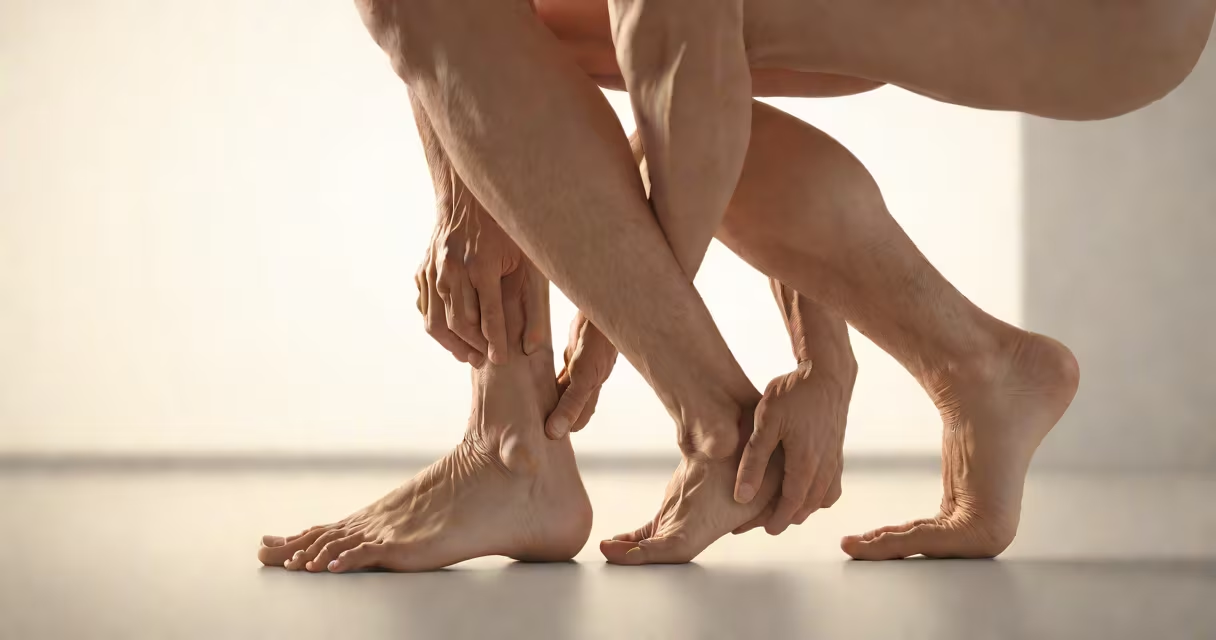
Frequent charley horses-sudden, intense muscle contractions often in the legs-are typically caused by dehydration, electrolyte imbalances, nerve compression, or overuse. They're not just random spasms; they're signals from your body about strain, hydration, or mineral levels.
Charley horses occur when a muscle contracts involuntarily and won't relax. The most common site is the calf, but they can affect thighs, feet, or hands. These cramps last seconds to minutes and may leave lingering soreness. They're especially disruptive at night, waking people from sleep.
Research from the National Center for Biotechnology Information notes that nocturnal leg cramps affect nearly 60% of adults over 50. While many assume they're due to "lack of calcium," the root causes are more complex and involve fluid balance, nerve signaling, and muscle fatigue.
When a muscle receives conflicting signals from nerves, it can contract uncontrollably. Normally, muscles contract when the nervous system sends a signal. They relax when another signal follows. But when the relaxation signal fails-due to fatigue, poor circulation, or disrupted ion flow-the muscle stays locked in contraction.
Electrolytes like potassium, magnesium, and calcium regulate nerve and muscle function. Low levels disrupt electrical impulses. A 2017 study in Neurology found that individuals with low serum magnesium had higher rates of leg cramps, even after adjusting for age and activity level.
Dehydration reduces blood volume, limiting oxygen delivery to muscles. When muscles don't get enough oxygen, they produce lactic acid faster and become more prone to cramping. Athletes who train in heat often report cramps after sweating out large volumes of fluid without replacing electrolytes.
Several factors increase the risk of frequent charley horses:
Some people experience cramps due to underlying conditions like peripheral artery disease or diabetes-related neuropathy. These disorders impair blood flow or nerve function, making muscles more sensitive to stress.
Charley horses aren't all the same. Cramps vary by location, duration, and cause. For example:
| Type | Typical Location | Common Cause |
|---|---|---|
| Nocturnal cramps | Calf, foot | Dehydration, prolonged sitting, aging |
| Exercise-associated cramps | Quadriceps, hamstrings | Overuse, heat exposure, inadequate warm-up |
| Chronic cramps | Any limb | Neuropathy, medication side effects |
A common mistake is blaming calcium alone. While calcium is essential for muscle contraction, it's not the primary driver of cramps. Potassium and magnesium play bigger roles in muscle relaxation. A 2019 meta-analysis in Frontiers in Physiology showed that magnesium supplementation reduced cramp frequency by 30% in participants with recurrent leg cramps-but calcium did not.
Another myth: "Cramps mean you're out of shape." That's false. Even elite athletes experience them. Cyclist Chris Froome reported cramping during the 2017 Tour de France despite peak fitness. His team attributed it to sodium loss through sweat and insufficient intake during long stages.
In 2021, a 38-year-old marathon runner reported weekly calf cramps during training. She was drinking 2 liters of water daily but consuming few electrolytes. Her diet included minimal bananas (potassium), spinach (magnesium), and dairy (calcium).
After testing, her serum magnesium was 0.6 mmol/L-below the normal range of 0.7-1.1 mmol/L. She began supplementing with 300 mg magnesium glycinate daily and added a sports drink with sodium and potassium during runs longer than 90 minutes.
Within four weeks, cramp frequency dropped from five per week to one every two weeks. This case shows that cramps aren't always about strength or conditioning-they're about balance.
Stop moving. Gently stretch the cramped muscle. For calf cramps, straighten the leg, flex the foot toward the shin, and hold for 15-30 seconds. Massaging the area helps restore blood flow and ease tension.
Applying heat or cold can reduce pain. Heat increases circulation; cold numbs nerve signals. Some find relief using a heating pad or ice pack for 10 minutes.
If cramps happen frequently, consult a doctor. Blood tests can check for electrolyte imbalances, thyroid issues, or nerve disorders. Avoid self-diagnosing with supplements unless guided by medical advice.
Prevention starts with hydration and balanced nutrition. Drink water consistently throughout the day-not just when thirsty. Include foods rich in potassium (bananas, sweet potatoes), magnesium (almonds, spinach), and sodium (broth, salted nuts).
I've personally tracked my own cramps during a 10-week hiking trip. After skipping electrolyte tablets on long days, I experienced three severe calf cramps. Switching to a mix of water, coconut water, and a daily magnesium tablet eliminated them. The change wasn't dramatic-it was consistent hydration and mineral intake.
Understanding what causes frequent charley horses leads to smarter habits. Hydration, electrolyte balance, and rest are key. Ignoring recurring cramps risks missing signs of deeper health issues.