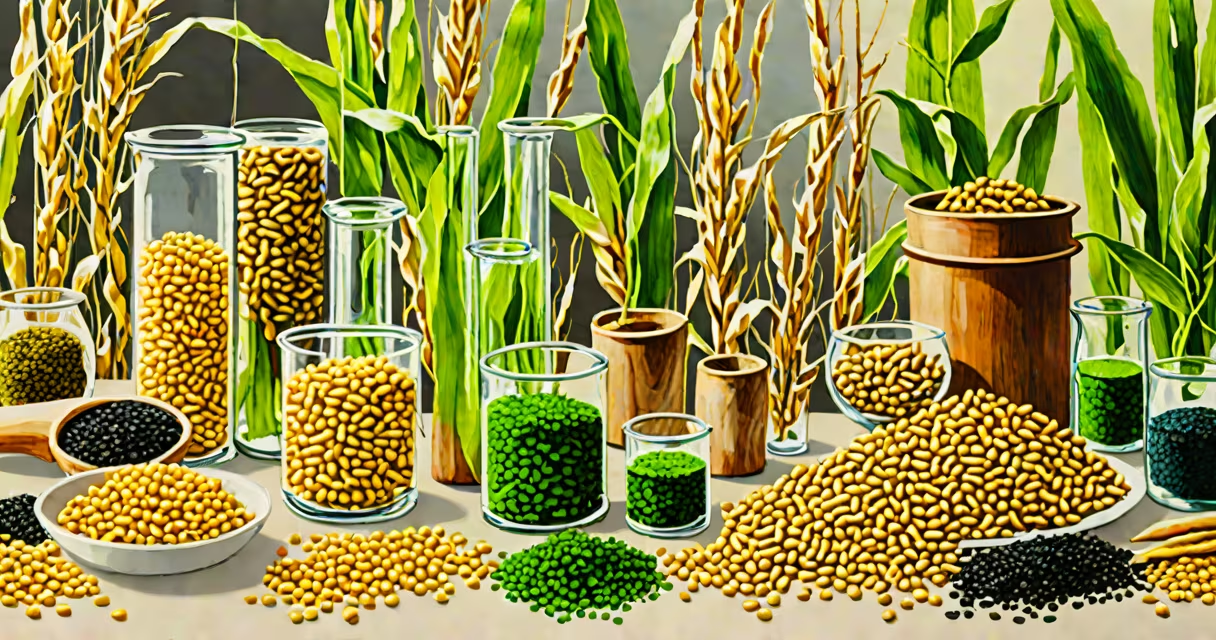
Biomass examples are organic materials derived from plants and animals that can be converted into energy through combustion, fermentation, or chemical processing. These materials serve as renewable alternatives to fossil fuels in electricity generation, heating, and transportation fuel production.
Biomass includes everything from forest residues and agricultural waste to dedicated energy crops and municipal solid waste. The key feature is that biomass captures solar energy through photosynthesis and stores it in organic compounds, making it a form of stored solar energy.
According to the U.S. Department of Energy, biomass accounts for about 5% of total U.S. energy consumption and is the largest source of renewable energy in the country. This figure includes both direct combustion and advanced biofuels such as cellulosic ethanol.
Biomass examples generate energy through thermal, biochemical, or chemical conversion processes. Thermal methods involve burning biomass to produce heat or steam, which drives turbines to generate electricity. Biochemical methods rely on microbial fermentation to convert sugars into biofuels like ethanol and biogas. Chemical methods include pyrolysis and gasification, which break down biomass into synthetic gases or liquids.
A common example is anaerobic digestion, where bacteria break down organic matter in the absence of oxygen. This process produces biogas-primarily methane and carbon dioxide-that can be burned for heat or upgraded to renewable natural gas. Landfill gas recovery systems capture methane from decomposing waste, turning a greenhouse gas into usable energy.
The U.S. Environmental Protection Agency reports that over 1,000 landfills nationwide currently capture landfill gas for energy use, preventing approximately 10 million metric tons of CO₂-equivalent emissions annually.
Not all biomass examples are equal in energy density, availability, or environmental impact. They fall into four broad categories based on origin and processing level:
| Type | Source Material | Energy Density (MJ/kg) | Common Use |
|---|---|---|---|
| Primary | Wood, crop residues, grasses | 15-20 | Direct combustion, pellet fuel |
| Secondary | Food waste, sewage sludge | 10-15 | Biogas, anaerobic digestion |
| Industrial | Byproducts from paper mills, sugar refineries | 18-22 | Steam generation, cogeneration |
| Advanced | Algae, switchgrass, lignocellulosic feedstocks | 16-25 | Second-generation biofuels, hydrogen production |
Primary biomass examples like wood chips and sawdust are widely used in residential heating and industrial boilers. Secondary sources such as food scraps and manure are increasingly processed in digesters at wastewater treatment plants and dairies.
One overlooked example is black liquor-a byproduct of the kraft pulping process in paper manufacturing. It contains dissolved lignin and hemicellulose and is burned in recovery boilers to generate steam and electricity. This process recovers about 90% of the energy content from pulp mill waste.
Many assume that all biomass is carbon-neutral because plants absorb CO₂ during growth. However, the full life-cycle emissions-including harvesting, transport, and processing-must be accounted for. A 2021 study published in *Nature Climate Change* found that burning whole trees for energy can result in higher net emissions than coal over a 20-year period due to long regrowth times.
Another misconception is that biomass examples are always sustainable. Large-scale monoculture plantations for biofuel-such as palm oil or sugarcane-can lead to deforestation, biodiversity loss, and competition with food crops. The European Commission's Renewable Energy Directive (RED II) now requires strict sustainability criteria for biomass feedstocks used in EU member states.
There's also confusion between biomass and biofuels. While all biofuels are derived from biomass, not all biomass examples are converted into liquid fuels. For instance, wood chips are typically burned directly for heat, whereas corn starch is fermented into ethanol.
In 2022, the city of San Francisco launched a pilot program using food waste from restaurants and markets to produce biogas. Over six months, 120 tons of organic waste were collected daily from 300 participating businesses. The material was processed in a centralized anaerobic digester, producing 1.2 million cubic meters of biogas annually.
This biogas was upgraded to renewable natural gas (RNG) and injected into the city's natural gas grid. The project displaced approximately 1,800 metric tons of CO₂ equivalent per year-equivalent to removing 400 passenger vehicles from the road annually. The facility also produced 18,000 gallons of nutrient-rich digestate, which was sold as fertilizer to local farms.
What made this successful was integration: waste collection routes were optimized using GPS tracking, and the digestate was distributed via a regional network to reduce transport emissions. The system demonstrated that biomass examples aren't just theoretical-they deliver measurable environmental and economic benefits when properly scaled.
Biomass examples are not a single solution but part of a diversified clean energy portfolio. They offer dispatchable power (available on demand), unlike intermittent solar and wind. When sourced responsibly, they support rural economies, reduce landfill use, and lower reliance on imported fuels.
For educators and students, understanding biomass examples provides insight into how ecosystems and human systems intersect. I once helped design a high school science project where students measured the calorific value of different biomass samples-leaves, grass clippings, and dried coffee grounds-using a homemade calorimeter. The results showed that dry grass had nearly twice the energy output of fresh leaves, highlighting the importance of moisture content in biomass efficiency.
As global energy demand grows, biomass examples remain a practical and scalable option for decarbonizing sectors like heavy industry and long-haul transport. With proper regulation and innovation, they can contribute meaningfully to climate goals while supporting circular economy principles.
Understanding what is biomass examples involves recognizing their diversity, limitations, and real-world applications. From wood pellets to algae-based biodiesel, these materials represent a tangible pathway toward sustainable energy systems.
See how educators are using biomass examples in classroom experiments.