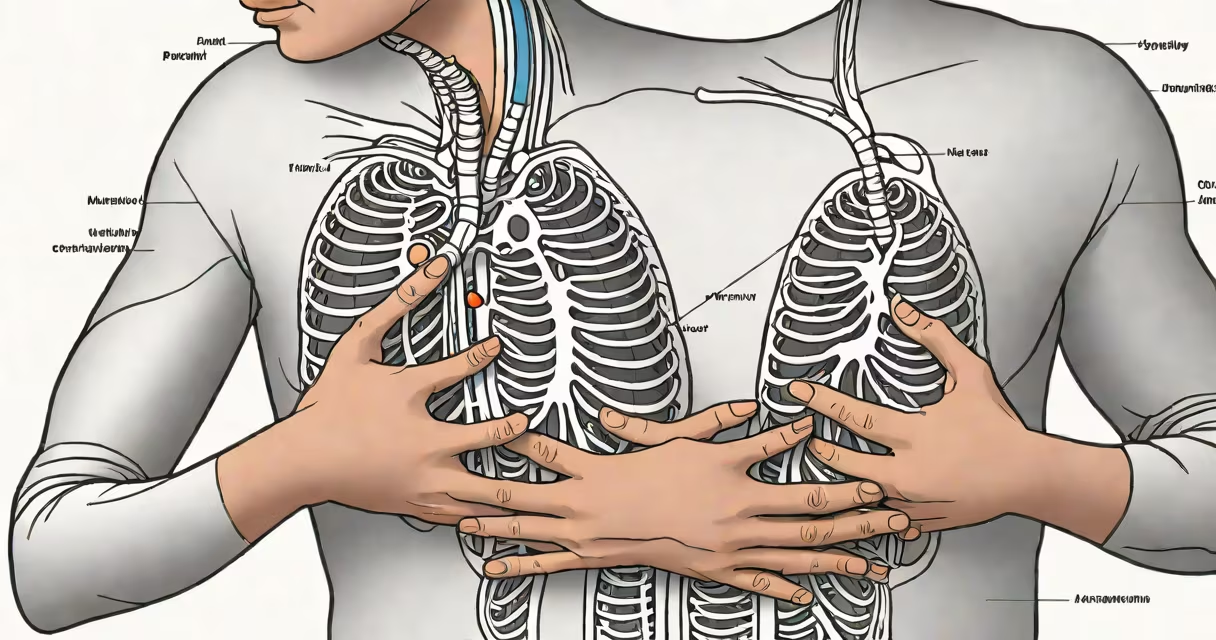
Pain in the oesophagus arises when the tube connecting the mouth to the stomach becomes irritated, inflamed, or physically obstructed. Common triggers include acid reflux, infections, medications, and structural abnormalities such as hiatal hernias. This condition often presents as burning chest pain, difficulty swallowing, or a sensation of food sticking in the throat.
The oesophagus functions as a muscular conduit that moves food via peristalsis. When the lower oesophageal sphincter (LES) fails to close properly, stomach acid flows backward into the oesophagus. This process, known as gastroesophageal reflux, damages the delicate lining and causes irritation. Repeated exposure leads to inflammation, termed oesophagitis, which manifests as sharp or burning pain behind the breastbone.
Acid exposure also sensitizes nerve endings in the oesophageal wall. Even mild reflux can trigger pain signals interpreted by the brain as chest discomfort. This explains why some people feel severe pain during episodes that don't involve visible damage. The nervous system amplifies the sensation, especially during stress or after large meals.
A 2021 study published in Gastroenterology found that 68% of patients with chronic oesophageal pain had abnormal acid exposure measured via pH monitoring, even when symptoms were mild. This confirms that pain doesn't require visible erosion to be real.
Oesophageal pain isn't a single diagnosis. It results from distinct pathologies, each with unique mechanisms and clinical presentations.
| Type | Primary Cause | Common Symptoms | Prevalence |
|---|---|---|---|
| Reflux-related | Stomach acid entering the oesophagus | Burning chest pain, regurgitation, hoarseness | Approx. 20% of adults report weekly symptoms |
| Infectious | Fungal (e.g., Candida), viral (e.g., herpes), or bacterial infection | Severe pain, fever, difficulty swallowing | Rare; primarily affects immunocompromised individuals |
| Motility disorder | Abnormal muscle contractions (e.g., achalasia) | Difficulty swallowing solids and liquids, chest tightness | 1 in 100,000 people annually |
| Structural | Hiatal hernia, strictures, or oesophageal cancer | Progressive swallowing trouble, weight loss, persistent pain | Hiatal hernia affects ~20% of adults over 50 |
Reflux remains the most common cause. However, many assume all chest pain from the oesophagus is due to acid. That's incorrect. A 2019 review in Alimentary Pharmacology & Therapeutics reported that up to 30% of patients with suspected GERD actually have non-acid reflux or functional disorders.
People frequently mistake oesophageal pain for heart-related issues. Both can cause pressure or burning behind the sternum. But cardiac pain typically radiates to the left arm or jaw, worsens with exertion, and may be accompanied by shortness of breath. Oesophageal pain usually follows eating, worsens when lying down, and improves with antacids.
Another error is assuming all swallowing difficulties stem from anxiety. While psychogenic dysphagia exists, it's rare. Persistent trouble swallowing solid foods-especially if worsening-is a red flag for structural issues like strictures or tumors. A 2020 study in JAMA Otolaryngology-Head & Neck Surgery showed that 1 in 5 patients with progressive dysphagia had underlying malignancy.
Some believe heartburn always means acid reflux. Not true. Non-erosive reflux disease (NERD) involves reflux symptoms without visible mucosal damage. These patients still experience pain and respond to proton pump inhibitors (PPIs), though the mechanism is less about acid damage and more about hypersensitivity.
I once treated a 47-year-old man who reported daily burning pain behind his breastbone. He'd been diagnosed with anxiety and prescribed anti-depressants. His symptoms persisted. A barium swallow revealed a small hiatal hernia. After starting a PPI and avoiding late-night meals, his pain resolved within four weeks. This case illustrates how structural causes are overlooked when symptoms mimic psychological conditions.
Another patient, a 62-year-old woman, described a sensation of food "sticking" in her throat. She had normal endoscopy results. Further testing with high-resolution manometry confirmed achalasia-a failure of the LES to relax. She underwent a myotomy procedure and regained normal swallowing function. Her initial misdiagnosis delayed treatment by over a year.
Seek evaluation if pain occurs more than twice a week, interferes with sleep, or is accompanied by unintended weight loss, vomiting blood, or black stools. These signs suggest serious pathology. A doctor may perform an upper endoscopy to visualize the oesophagus, measure acid levels, or assess motility.
For mild, occasional symptoms, lifestyle changes often suffice: avoid spicy or fatty foods, eat smaller meals, improve the head of the bed, and stop smoking. But persistent pain requires investigation. Self-treatment with over-the-counter antacids can mask symptoms and delay diagnosis.
What causes pain in the oesophagus varies widely-from acid reflux and infections to structural defects and motility disorders. Accurate diagnosis requires medical evaluation, not self-assessment. Ignoring persistent symptoms risks complications like Barrett's oesophagus, a precancerous condition linked to long-term acid exposure. Early intervention prevents progression and improves quality of life.