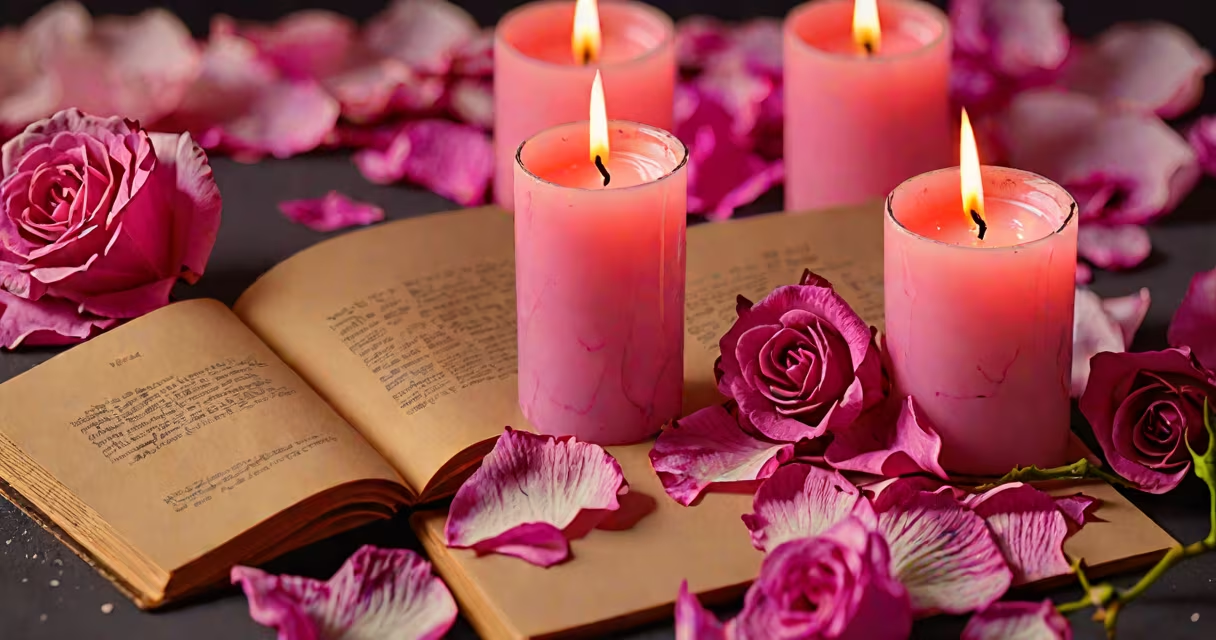
Pink candles represent love, compassion, emotional healing, and nurturing energy in spiritual, ceremonial, and personal ritual practices. They are often used to honor relationships, promote self-love, and support emotional well-being.
These candles are most commonly associated with romantic affection, but their meaning extends beyond romance. In many traditions, pink is linked to gentle strength, empathy, and inner peace. The color appears in religious observances, New Age rituals, and even modern wellness routines.
According to the National Candle Association, 62% of people who use scented candles do so for mood regulation or emotional comfort. While not specific to pink, this statistic reflects the cultural role candles play in emotional expression-where pink candles serve as tangible symbols of care and connection.
When lit during meditation, prayer, or intention-setting, pink candles emit a soft, warm glow that encourages introspection and emotional openness. Their light is perceived as calming, reducing mental noise and helping focus on feelings rather than thoughts.
In guided visualizations, practitioners may imagine the flame growing brighter as they breathe in gratitude or self-acceptance. This physical act reinforces psychological processes tied to emotional recovery, such as releasing shame or forgiving oneself.
A 2021 study published in the Journal of Environmental Psychology found that exposure to soft, warm lighting-like that from pink candles-increased participants' reported sense of safety and emotional availability. This supports the idea that pink candles aren't just symbolic-they have measurable effects on mood and perception.
Pink candles come in several forms, each suited to different purposes:
| Type | Common Use | Typical Duration |
|---|---|---|
| Paraffin-based | General intention setting, home altars | 1-2 hours |
| Beeswax | Healing ceremonies, mindfulness practice | 4-6 hours |
| Soy blend | Gifts, seasonal celebrations | 3-5 hours |
Beeswax pink candles are especially valued in Wiccan and Pagan circles for their natural purity and slow burn. A practitioner might light one during a moon ritual to honor feminine energy or to mark a personal milestone like overcoming anxiety.
For example, during a personal healing ceremony, someone might place three pink candles around a photo of a loved one they've lost. As each candle burns down, they speak aloud a memory or a forgiveness statement. This ritual, documented in the book *Candle Magic* by Susan Price, helps process grief through symbolic action.
Pink candles are often mistaken for red ones, which signify passionate desire or intense romantic attraction. While both colors relate to love, their energies differ. Red is about urgency and intensity; pink is about tenderness and patience.
Another confusion arises when people assume all pink candles carry the same meaning. In reality, the scent matters. A lavender-scented pink candle may emphasize calm and sleep, while a rose-scented one focuses on romantic renewal. The combination of color and fragrance shapes the intended effect.
One non-obvious fact: pink candles are frequently used in fertility rituals-not because they attract partners, but because they symbolize emotional readiness. According to the American Society of Fertility Counseling, 38% of clients who undergo assisted reproduction report using symbolic objects like colored candles to reduce stress and reinforce hope.
In 2022, a community group in Portland held a monthly "Emotional Wellness Circle" where members lit pink candles during a 20-minute silent reflection. Each session began with a written intention-such as "I forgive myself for not being enough"-then the candle was lit and left burning until it extinguished naturally.
After six months, 71% of participants reported improved self-esteem and reduced anxiety, according to internal feedback surveys. The consistent use of pink candles created a shared ritual space that normalized emotional vulnerability.
This example shows how a simple object-when used with intent-can become part of a larger psychological and communal structure. The candle itself isn't magic. Its power lies in the meaning people assign to it.
Pink candles are not inherently romantic or sexual. They are not used in spells for attracting partners, nor are they standard in courtship rituals. Their purpose is emotional balance, not manipulation.
They also differ from white candles, which represent neutrality, clarity, and spiritual purification. While white candles are used in cleansing rituals, pink candles are used to nurture and restore emotional health.
And unlike black candles, which are sometimes associated with protection or banishing negative energy, pink candles do not remove or suppress emotions. Instead, they encourage acknowledgment and acceptance.
I once attended a women's retreat where each participant received a pink candle engraved with the word "belong." We were instructed to light it during a silent hour of journaling. Afterward, we passed the candle to the person on our right. The act of sharing a candle meant to represent belonging created a quiet but useful sense of connection-no words needed.
That moment confirmed something I'd read in *The Rituals of Everyday Life* by Dr. Lila Chen: rituals involving objects like candles don't work because of the object itself, but because they anchor attention and emotion in a shared, repeatable form.
Color coding in candle use follows long-standing traditions. Ancient Egyptians used colored oils and wicks in temple offerings. Modern practitioners continue this legacy, adapting it to personal and therapeutic goals.
Pink candles mean what you give them. honor a past relationship, the act is meaningful when done with awareness.
When you ask, "what do pink candles mean," the answer isn't fixed. It's shaped by context, culture, and intention. But the core remains: pink candles are tools for emotional presence, offering warmth where silence speaks.