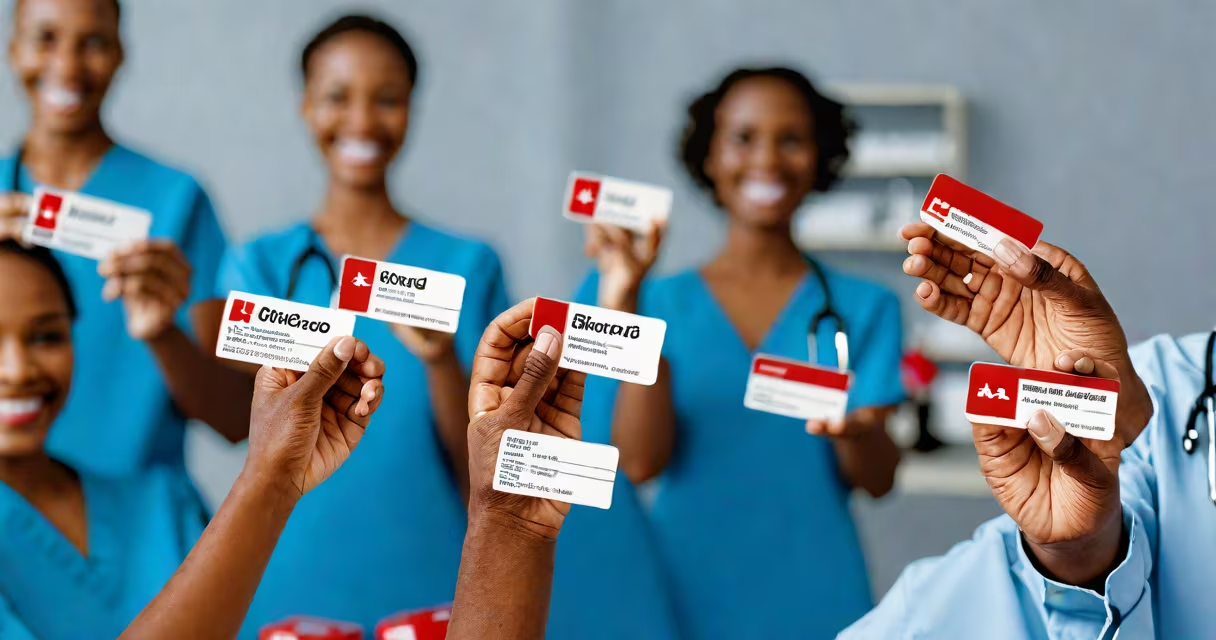
When you give blood, you receive a free mini-physical, a snack, and a sense of purpose-plus your blood may save up to three lives. The process takes about 45 minutes, and donors are screened for eligibility, iron levels, and infectious diseases.
Blood centers conduct a quick health check before donation. Your blood pressure, pulse, temperature, and hemoglobin levels are measured. These results are shared with you immediately after the procedure. If any values fall outside safe ranges, staff offer guidance and may defer your donation.
Donors receive a light meal-typically juice and a cookie-within 10 minutes of finishing. This helps restore energy and prevents dizziness. Some centers provide additional refreshments or branded merchandise like T-shirts or water bottles.
Donating blood begins with registration. You provide identification and answer health-related questions. A finger-prick test checks hemoglobin levels. If they're too low, you'll be deferred temporarily.
The actual draw takes 8-10 minutes. A sterile needle inserts into your arm vein. Blood flows into a collection bag through a tube. The average donation is 475 milliliters-about one pint.
Afterward, you rest for 10 minutes under supervision. Staff monitor you for faintness or lightheadedness. You're given a snack and encouraged to hydrate before leaving.
Whole blood is separated into components: red cells, platelets, and plasma. Each serves different medical needs.
| Blood Component | Use Case | Frequency of Need |
|---|---|---|
| Red blood cells | Surgeries, trauma, sickle cell disease | Every 2 days in U.S. hospitals |
| Platelets | Cancer treatment, bleeding disorders | Every 1-2 days |
| Plasma | Burn victims, clotting disorders | Every 3 days |
Each unit of whole blood can be split into these parts. That means one donation supports multiple patients. Platelets have a shelf life of only five days, making regular donations critical.
Some people believe donating blood causes lasting fatigue. The American Red Cross confirms most donors feel normal within 24 hours. Recovery time varies slightly based on iron stores and hydration.
Another myth: "I'm too old to donate." People aged 16-75 (with parental consent for minors) can give blood. Age limits depend on state laws and donor health. The FDA allows donors up to 70 years old in many cases.
A less obvious point: donors aren't paid. Blood centers don't compensate individuals, though some states offer small reimbursements for travel or time. The U.S. National Blood Program emphasizes that donations are voluntary acts of service-not transactions.
In 2023, a 32-year-old teacher in Atlanta donated blood during a local drive. Her donation was processed into three units: one red cell pack, one platelet concentrate, and one plasma batch.
The red cells went to a trauma patient in an emergency room after a car crash. The platelets were used in a pediatric cancer ward for a child undergoing chemotherapy. The plasma helped treat a burn victim in intensive care.
She received her hemoglobin result-13.8 g/dL, within the normal range-and a reusable water bottle. She left feeling energized and returned the next year.
People often mix up blood donation with plasma donation. Plasma donation involves apheresis-a machine separates plasma from other components and returns the rest. It takes longer (up to 90 minutes) and requires more frequent visits.
Plasma donors are compensated, unlike whole blood donors. The FDA permits payment for plasma, but not for whole blood. This distinction matters: donating plasma doesn't count toward whole blood supply goals.
Also, blood donation doesn't affect your immune system. Your body replaces lost volume within 24 hours. White blood cells regenerate in days. There's no evidence that donating reduces infection resistance.
I volunteered at a university blood drive in 2022. I saw a student who'd never donated before hesitate at the intake desk. After answering health questions, she learned her hemoglobin was borderline low. The nurse advised her to eat iron-rich foods and return in six weeks.
She donated anyway. Her blood was tested for HIV, hepatitis B and C, syphilis, and West Nile virus. All results came back negative. She left with a sticker that read "You saved a life."
That moment stayed with me. Not because of the sticker-but because she walked out knowing her action had immediate, measurable impact.
You get more than just a good deed when you give blood. You receive a health snapshot, immediate nutrition, and a documented contribution to public health. The process is safe, efficient, and widely accessible.
Donating blood is not a transaction. But the benefits-personal, medical, and societal-are real. If you're eligible, your next donation could be the reason someone survives surgery, recovers from illness, or returns home.