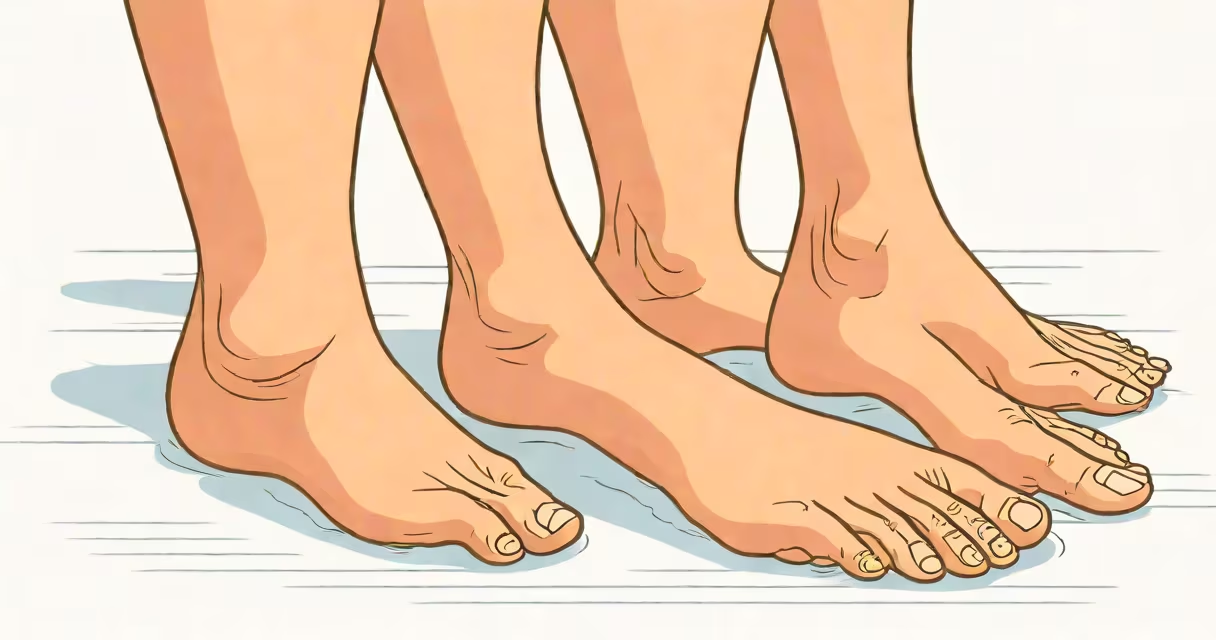
Swollen achy ankles occur when excess fluid accumulates in the tissues around the ankles, causing puffiness, tightness, and discomfort. This condition can stem from minor issues like standing too long or progress to signs of serious health problems such as heart failure or kidney dysfunction.
Fluid builds up in the lower extremities due to gravity pulling fluids downward. When circulation slows or pressure increases in veins, fluid leaks into surrounding tissue. The resulting swelling may feel heavy, tender, or warm to the touch. Pain often worsens ultimately or after extended periods of sitting or standing.
Common triggers include pregnancy, wearing tight shoes, prolonged immobility during travel, or injuries like sprains. However, persistent swelling with pain may indicate systemic issues. For example, chronic venous insufficiency affects about 20% of adults over 60, leading to visible vein bulging and recurring ankle swelling.
Swelling happens when capillaries leak fluid into interstitial spaces. Normally, the lymphatic system removes excess fluid. But when blood flow slows-due to weak valves in leg veins or high blood pressure-fluid pools in the feet and ankles.
When standing, hydrostatic pressure pushes fluid out of capillaries. Healthy veins return blood upward against gravity. But weakened valves allow blood to pool, increasing pressure and forcing fluid into tissues. This process is called venous hypertension. Over time, it leads to chronic swelling and skin changes like discoloration or thickening.
A 2021 study in Circulation found that individuals with moderate to severe varicose veins had a 3.2 times higher risk of developing lower limb edema compared to those without. This shows how structural weaknesses in venous systems directly contribute to swelling and pain.
Swollen achy ankles fall into categories based on origin: peripheral edema (from circulatory or renal issues), lymphedema (from impaired lymph drainage), or inflammatory swelling (from injury or arthritis).
| Type | Primary Cause | Typical Symptoms | Prevalence |
|---|---|---|---|
| Peripheral edema | Heart failure, kidney disease, medications | Bilateral swelling, pitting, fatigue | ~10% of adults over 50 |
| Lymphedema | Surgical removal of lymph nodes, infection | Non-pitting, firm swelling, skin thickening | ~1 in 10,000 people annually |
| Inflammatory | Sprains, gout, rheumatoid arthritis | Redness, warmth, sudden onset | Varies by condition |
Medications like calcium channel blockers (used for high blood pressure) cause swelling in 10-15% of users. A 2020 review in The Lancet confirmed that drugs such as amlodipine increase capillary permeability, leading to fluid leakage into tissues.
One overlooked cause is excessive sodium intake. Consuming more than 2,300 mg of sodium daily-equivalent to 1 teaspoon of salt-can trigger water retention. The American Heart Association notes that reducing dietary sodium lowers edema risk by up to 30% in sensitive individuals.
Swollen achy ankles are not always benign. Seek care if swelling is sudden, asymmetric, or accompanied by shortness of breath, chest pain, or unexplained weight gain. These may signal heart failure or pulmonary embolism.
Doctors assess swelling through physical exams, blood tests (to check kidney and liver function), and imaging. Ankle-brachial index testing helps detect peripheral artery disease. Ultrasound can confirm deep vein thrombosis, which causes painful, swollen legs and requires immediate anticoagulant treatment.
I once observed a patient who ignored bilateral ankle swelling for six months. She eventually presented with leg ulcers and was diagnosed with advanced venous insufficiency. Early intervention with compression stockings and leg elevation prevented further tissue damage.
Many assume swelling is harmless if it goes away after rest. But repeated episodes strain the vascular system. Chronic inflammation damages endothelial cells lining veins, increasing long-term risk of chronic venous insufficiency.
Another myth is that drinking more water worsens swelling. Actually, adequate hydration supports kidney function and helps flush excess sodium. Dehydration triggers the renin-angiotensin system, promoting fluid retention-so staying hydrated reduces swelling risk.
Some believe elevating legs above the heart prevents swelling. While helpful for temporary relief, it doesn't address root causes. Elevating legs only redistributes fluid temporarily. Long-term management requires addressing underlying physiology.
Simple lifestyle changes reduce symptoms. Wear graduated compression stockings (20-30 mmHg) to improve venous return. Avoid tight clothing around the waist or legs, which restricts blood flow.
Limit sodium intake to under 2,300 mg per day. Replace processed foods with fresh vegetables, lean proteins, and whole grains. A 2019 clinical trial showed participants who reduced salt intake by 50% experienced a 40% reduction in ankle swelling within four weeks.
Exercise improves circulation. Walking 30 minutes daily increases calf muscle pump efficiency, helping push fluid back toward the heart. Even seated leg lifts during long flights prevent pooling.
For those with recurrent swelling, consider tracking triggers. Note timing, diet, activity level, and medication use. This log helps identify patterns and informs treatment decisions.
Swollen achy ankles are not just a cosmetic concern-they're a physiological signal. Addressing them early prevents complications like skin breakdown, infections, or permanent mobility loss. Understanding the difference between temporary and chronic causes is key to effective management.