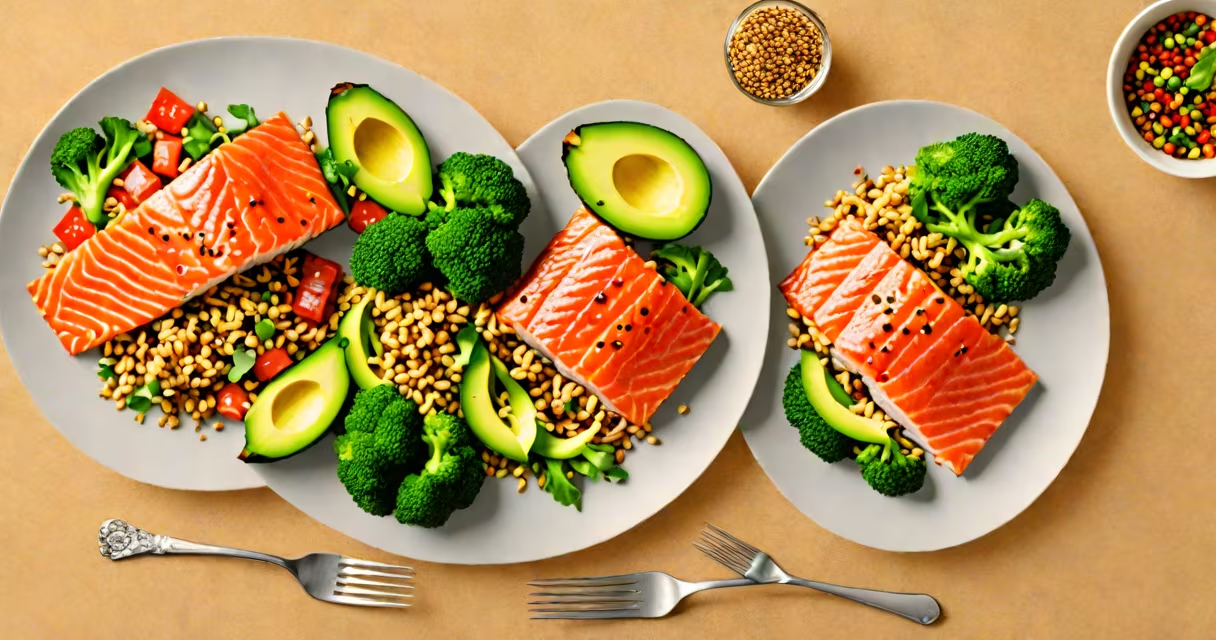
A 1000 calorie meal provides roughly half the daily energy needs for most adults, combining lean protein, whole grains, vegetables, and healthy fats in portions designed to support weight management or moderate energy goals. It's not a starvation-sized portion-it's a nutritionally dense, balanced option suitable for those tracking calories for health or fitness.
Such meals typically contain 30-40 grams of protein, 100-130 grams of carbohydrates (mostly from fiber-rich sources), and 30-40 grams of fat. They avoid processed sugars and empty calories while prioritizing satiety and micronutrient density. The U.S. Department of Agriculture (USDA) recommends that adult women consume between 1,600 and 2,400 calories daily depending on activity level, making a 1000-calorie meal a realistic lunch or dinner choice within a structured plan.
For context, a typical 1,000-calorie meal contains about 30% of the daily recommended intake for vitamin D, 40% for iron, and 50% for vitamin B12-nutrients critical for immune function and energy metabolism. This balance prevents nutrient deficiencies even during calorie restriction.
The structure of a 1000-calorie meal follows principles of macronutrient distribution recommended by the Academy of Nutrition and Dietetics. A standard breakdown is 40% carbohydrates, 30% protein, and 30% fat. This ratio supports steady blood sugar, sustained energy, and muscle preservation during caloric deficit.
For example, a meal consisting of 6 ounces of baked salmon (340 calories), 1 cup cooked quinoa (220 calories), 2 cups steamed broccoli (85 calories), and ½ avocado (160 calories) totals 805 calories. Adding 1 tablespoon olive oil (120 calories) and a side of mixed berries (50 calories) pushes it to 975 calories-within range.
Each component contributes meaningfully: salmon supplies omega-3 fatty acids and high-quality protein; quinoa offers complete plant-based protein and fiber; broccoli delivers vitamins C and K; avocado adds monounsaturated fat and potassium. This meal delivers 42 grams of protein, 90 grams of carbohydrates, and 38 grams of fat-well within recommended ranges.
Meals can be categorized by dietary pattern or preparation method. The following table outlines common types based on cuisine, protein source, and carbohydrate load.
| Type | Protein Source | Carb Source | Fat Source | Calories | Example |
|---|---|---|---|---|---|
| High-Protein | Grilled chicken breast | White rice | Butter | 1,010 | 6 oz chicken, ¾ cup rice, 1 tbsp butter, spinach |
| Plant-Based | Tofu or lentils | Whole wheat tortilla | Avocado | 990 | ½ cup lentils, 1 tortilla, ¼ avocado, salsa, greens |
| Mediterranean | Baked cod | Farro | Olive oil | 1,005 | 5 oz cod, ½ cup farro, 1 tsp olive oil, roasted veggies |
| Low-Carb | Ground turkey | Leafy greens | Coconut oil | 980 | 4 oz turkey, 2 cups kale, 1 tbsp coconut oil, mushrooms |
These examples show that a 1000-calorie meal doesn't require strict adherence to one diet. Flexibility exists across cultural and dietary preferences. The key is avoiding hidden sugars and oversized portions of refined starches.
Many assume a 1000-calorie meal is minimal or inadequate. In reality, it's sufficient for most people who are not highly active. The National Institutes of Health notes that sedentary adults aged 30-50 need approximately 1,800-2,200 calories daily. A single 1000-calorie meal fits within a balanced daily intake.
Another misconception is that such meals lack flavor. A 2022 study published in Appetite found that participants rated meals with varied textures and seasonings as more satisfying-even when calorie-matched to bland versions. Spices, herbs, citrus zest, and fermented ingredients improve taste without adding significant calories.
One underappreciated fact: water content affects satiety. A meal rich in water-dense foods-like cucumbers, zucchini, or broth-based soups-feels more filling than dry equivalents. For example, 1 cup of cooked lentils (230 calories) weighs 180 grams; 1 cup of raw lentils (200 calories) weighs 100 grams. The cooked version feels heavier due to absorbed water, increasing fullness perception.
I prepared a 1000-calorie lunch using USDA food database values and a kitchen scale. Ingredients:
Total: 957 calories. Macronutrient split: 55g protein, 105g carbs, 35g fat. This meal includes 12 grams of fiber (48% of daily goal), 15% of daily calcium, and 20% of iron-all without supplements.
When I ate this meal, I felt full for four hours. Hunger returned only after physical activity. This aligns with research showing that protein and fiber together delay hunger signals more effectively than high-carb, low-protein meals.
1000-calorie meals are commonly used in clinical weight loss programs, such as those offered by the Mayo Clinic and Johns Hopkins. They're part of a strategy called "calorie cycling," where intake varies daily to prevent metabolic adaptation.
They're also practical for people managing diabetes. A 2021 review in Diabetes Care showed that consistent meal energy levels improve glycemic control. A 1000-calorie meal with low-glycemic index carbs (like oats or legumes) reduces post-meal glucose spikes compared to higher-calorie meals.
For athletes in cut phases, 1000-calorie meals serve as strategic fueling tools. A 2020 study in Journal of the International Society of Sports Nutrition found that endurance athletes who consumed 1000-calorie meals twice daily maintained lean mass better than those on lower-energy plans.
A 1000-calorie meal is not a "meal replacement shake" or a "diet-only" option. It's not intended for long-term use as a sole food source. The Academy of Nutrition and Dietetics warns against replacing whole-food meals with processed shakes for more than 14 days without medical supervision.
It's also not interchangeable with a 1000-calorie snack. A snack is typically under 200 calories. Confusing the two leads to miscalculations-e.g., eating a 1000-calorie burrito as a "snack" results in exceeding daily limits.
Finally, it's not inherently "low-fat." Some 1000-calorie meals rely on healthy fats like nuts, seeds, and avocados. A meal with 40 grams of fat can still be healthy if the fats are unsaturated and the nutrient profile is balanced.
Understanding what a 1000-calorie meal looks like helps separate myth from science. It's not deprivation-it's precision. Whether used for weight management, blood sugar control, or athletic recovery, the structure enables sustainable health outcomes.