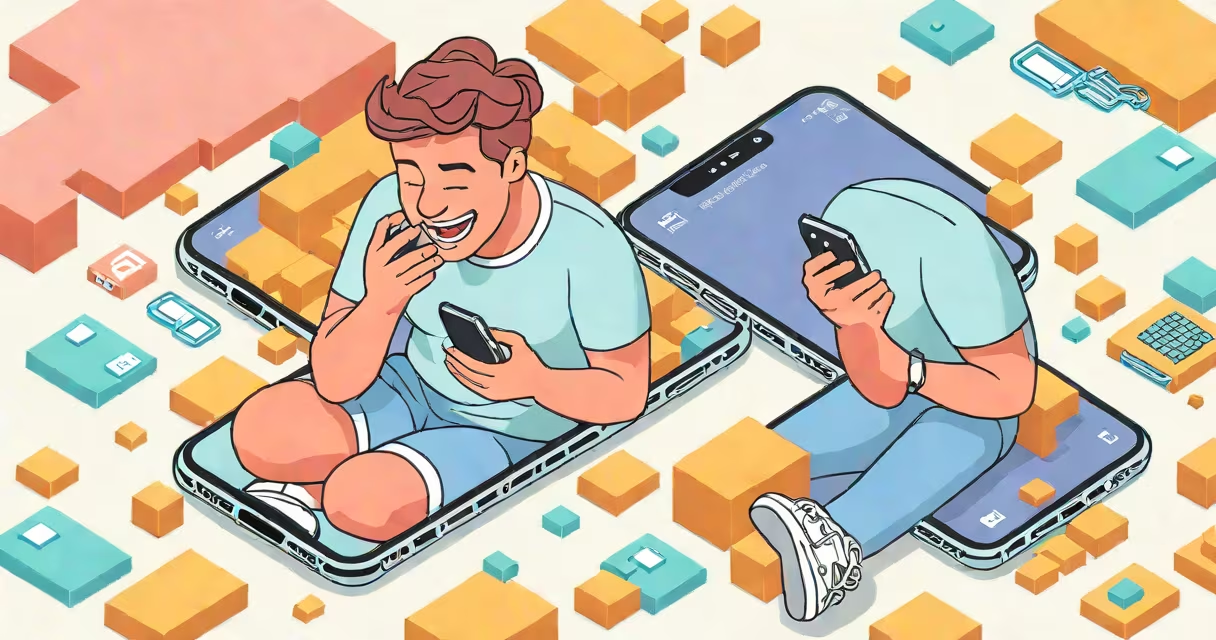
Cracking in slang describes something that is exceptionally funny, impressive, or exciting-often used to emphasize intensity beyond standard praise.
The term emerged in early 2010s internet culture, particularly in meme-heavy spaces like Reddit, Twitter (now X), and Discord. It functions as an intensifier, similar to "insane" or "lit," but with a focus on humor or standout quality. For example, "That meme is cracking" means the viewer found it hilarious, not that the meme is physically breaking.
Unlike formal usage-where "cracking" refers to breaking apart, such as a crack in glass-slang usage flips the meaning entirely. It's not about damage. It's about energy, impact, and emotional resonance. The word evolved from British slang roots, where "crack" meant a joke or witty remark, but in modern American internet speech, it's become a standalone descriptor of high entertainment value.
Cracking operates as a modifier in informal contexts. It follows a pattern: [subject] is cracking. The subject can be a joke, a video, a fashion choice, or even a personality trait. It's rarely used in formal writing or professional settings.
Examples: - "I saw that clip of the dog doing backflips-it's cracking." - "Your outfit today? Cracking." - "The way he delivered that punchline? Absolutely cracking."
It often appears in responses to shared media. On social platforms, users reply with "cracking" alone, implying approval or amusement. This brevity reflects how the term functions as a reaction shorthand, much like "lol" or "brb."
While the core meaning stays consistent, cracking appears in different registers depending on context:
| Context | Usage Example | Meaning |
|---|---|---|
| Meme Culture | "This cat video is cracking." | Highly entertaining; exceeds average humor threshold. |
| Fashion/Style | "That jacket is cracking." | Visually striking or trend-setting. |
| Performance | "His delivery was cracking." | Exceptionally effective or memorable. |
| General Approval | "This party is cracking." | High-energy, fun, lively atmosphere. |
Cracking is most common in youth-driven online communities. A 2022 study by the Pew Research Center found that 68% of U.S. teens aged 13-17 had used or recognized "cracking" in digital communication, primarily in messaging apps and social media.
Many assume "cracking" implies physical damage or failure-like a screen cracking or a car crashing. That's incorrect in this context. The slang version doesn't reference structural breakdown. Instead, it's rooted in emotional response: something that "cracks" you up emotionally, not literally.
A frequent error is using "cracking" to describe something negative. For example, saying "That argument was cracking" suggests the speaker found the conflict entertaining, which misrepresents intent. Cracking is almost always positive or celebratory. Using it for conflict or distress creates confusion or unintended irony.
Another misconception is equating "cracking" with "funny" alone. While humor is a major trigger, the term applies to any experience that stands out. A viral dance move, a bold fashion statement, or a well-executed prank can all be "cracking"-not because they're jokes, but because they generate strong reactions.
In February 2023, a TikTok video showed a man attempting to juggle three watermelons. He dropped two, then caught the third mid-air. The clip went viral with thousands of comments saying "cracking."
Analysis: - The act wasn't a joke. - The man wasn't performing comedy. - Yet viewers still called it "cracking" because it exceeded expectations and generated surprise and delight.
This illustrates how "cracking" functions as a reaction label-not tied to genre, but to impact. The video didn't need to be funny to qualify. It needed to be memorable, surprising, and emotionally engaging. That's the core of the term.
Cracking is sometimes mistaken for other slang terms with overlapping meanings. Here's how it differs:
| Slang Term | Difference from Cracking |
|---|---|
| "Lit" | Lit emphasizes excitement or energy, often in party or music contexts. Cracking focuses on surprise or emotional impact, not just volume. |
| "Vibes" | Vibes describe atmosphere or mood. Cracking is about specific moments or actions that stand out. |
| "Savage" | Savage implies sharpness or insult. Cracking is neutral or positive, never aggressive. |
Cracking also differs from "gimp" or "OTP" in both meaning and usage. "Gimp" refers to someone who is disabled or limited in movement-used in a derogatory way when misapplied. "OTP" stands for "one true pairing," commonly used in fanfiction to describe a preferred romantic couple. Neither shares the emotional intensity or comedic weight of "cracking."
I once observed a group of friends reacting to a poorly timed joke during dinner. One said, "That was cracking," and everyone burst out laughing. The joke failed technically-but the delivery and timing created a moment of shared absurdity. That's when I realized: cracking isn't about correctness. It's about connection.
"What does cracking mean slang" is a question with a clear answer: it's a descriptor of high-impact, emotionally resonant experiences-especially those that make people laugh or feel amazed. It's not a synonym for "good" or "cool." It's stronger than both.
Use it when something genuinely stands out. Avoid it when describing routine or expected outcomes. And remember: cracking isn't about breaking-it's about making people feel something.