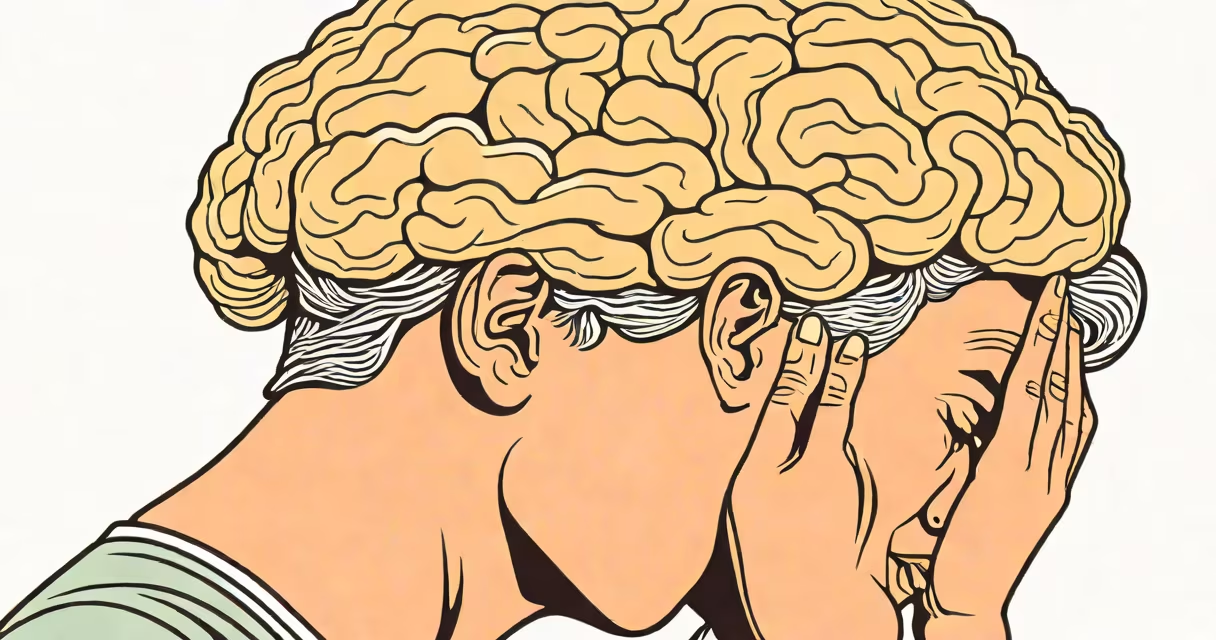
Early signs of brain tumour include persistent headaches, unexplained nausea or vomiting, vision changes, seizures, new-onset confusion, memory lapses, and difficulty with balance or coordination. These symptoms often develop gradually and may be mistaken for less serious conditions.
Brain tumours grow within the skull, pressing on surrounding tissue and disrupting normal function. Because the brain controls movement, sensation, cognition, and autonomic functions, tumours can produce neurological symptoms even before they reach a clinically significant size. The most common early warning signs are subtle and easily overlooked-especially when they appear in isolation.
According to the American Brain Tumor Association, about 700,000 people in the U.S. live with a brain tumour, and many report symptom onset over weeks to months. Early detection improves treatment success rates. The key is recognizing patterns: symptoms that persist beyond a few days, worsen over time, or occur without clear cause.
Brain tumours do not always cause pain. Instead, they disrupt electrical activity and fluid dynamics in the brain. As pressure builds, especially in areas controlling motor skills or sensory perception, symptoms emerge. For example, a tumour near the occipital lobe may cause visual disturbances such as blurred vision, double vision, or loss of peripheral vision.
Headaches linked to brain tumours typically differ from migraines. They tend to be worse in the morning, improve during the day, and may wake a person from sleep. A study published in *Neurology* found that 60% of patients with intracranial tumours reported headaches as an initial symptom, though only 15% had them daily.
Seizures are another red flag. About 30% of people with primary brain tumours experience seizures at diagnosis. These can be focal (affecting one part of the body) or generalized (convulsions). Seizures often begin subtly-muscle twitching, brief confusion, or staring spells-and may be misdiagnosed as epilepsy.
The following table outlines the most frequently reported early signs, their typical presentation, and clinical significance.
| Symptom | Typical Pattern | Red Flag Indicator |
|---|---|---|
| Headache | Worse in morning, improves during day; wakes from sleep | Progressive intensity; not relieved by over-the-counter meds |
| Vision Changes | Blurred, double, or lost vision; visual field defects | Unilateral or partial loss; persists beyond 24 hours |
| Seizures | Focal jerking, blank stares, confusion | New onset in adults; occurs without known trigger |
| Cognitive Decline | Memory lapses, difficulty concentrating, word-finding issues | Progressive; affects work or daily tasks |
| Nausea/Vomiting | Chronic, unrelated to meals or motion | Associated with headaches; worse in morning |
One non-obvious distinction: not all headaches with nausea indicate a brain tumour. However, when nausea occurs without gastrointestinal illness and is paired with worsening headaches, especially upon waking, it raises concern. The National Institute of Neurological Disorders and Stroke notes that chronic nausea in adults without digestive causes warrants neurological evaluation.
Many early signs mimic other conditions. Persistent headaches are frequently attributed to stress, dehydration, or sinus issues. Vision changes may be written off as eye strain or refractive errors. Cognitive fog is often dismissed as fatigue or aging.
A real-world example: a 42-year-old teacher began experiencing morning headaches and occasional blurriness in her left eye. She visited an optometrist, who prescribed new glasses. After six weeks of worsening symptoms, she saw a neurologist. An MRI revealed a low-grade glioma in the left parietal lobe. The delay in diagnosis was due to symptom misattribution.
Another common error is assuming that only severe symptoms require attention. In reality, early tumours often cause mild, intermittent issues. A 2021 study in *JAMA Neurology* found that 40% of patients were initially diagnosed with psychiatric disorders or migraines before a brain tumour was identified.
If symptoms persist for more than two weeks, worsen over time, or interfere with daily life, consult a healthcare provider. Red flags include:
I once observed a patient whose initial complaint was "just getting forgetful." Over three months, he missed appointments, forgot recent conversations, and struggled to follow instructions. His family noticed behavioral shifts. A CT scan revealed a meningioma compressing the frontal lobe. Early recognition prevented further decline.
Imaging is the gold standard for confirmation. A contrast-enhanced MRI detects most brain tumours with high sensitivity. Not every headache requires imaging-but when symptoms cluster or evolve, testing becomes essential.