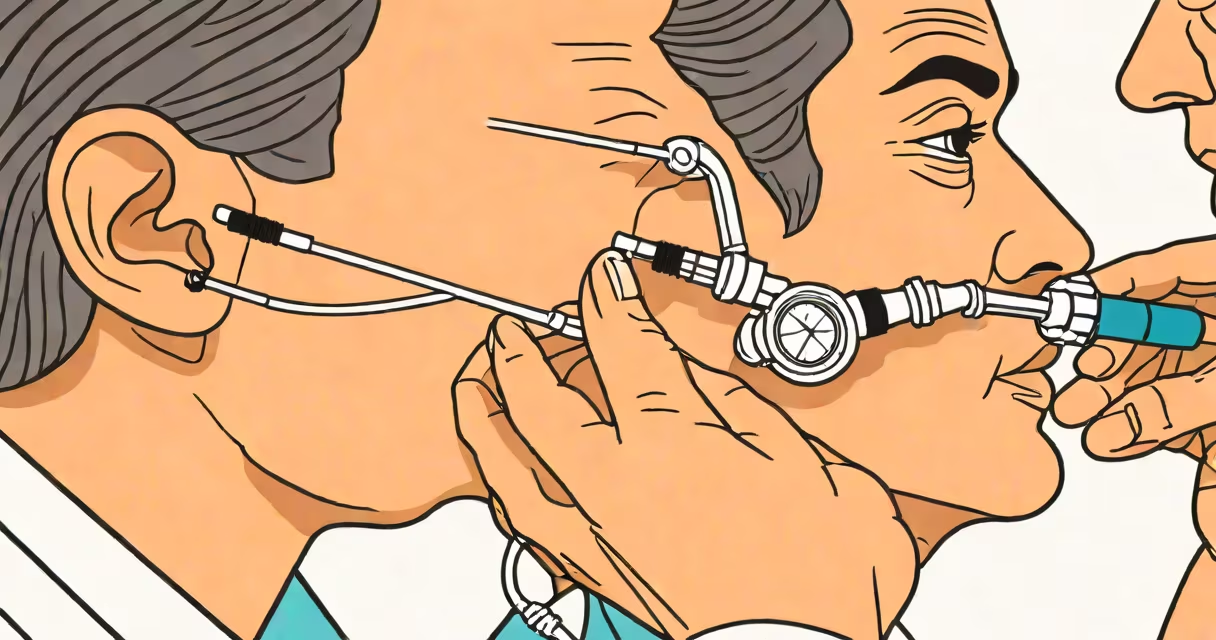
Otolaryngology is the branch of medicine that diagnoses and treats disorders of the ear, nose, throat, and associated structures of the head and neck. It is commonly known as ENT, short for ear, nose, and throat.
The term originates from Greek roots: "oto" meaning ear, "laryngo" referring to the larynx (voice box), and "rhino" for nose. The suffix "-logy" denotes the study of. Together, they form a field dedicated to the anatomy, physiology, and pathology of the upper aerodigestive tract and adjacent cranial regions.
Board-certified otolaryngologists complete five years of surgical training after medical school, including a residency in head and neck surgery. They manage both medical and surgical conditions, ranging from chronic sinusitis to thyroid nodules and facial trauma.
Otolaryngologists evaluate patients using physical exams, imaging (like CT or MRI), and specialized tests such as audiometry (hearing tests) and endoscopy (visualizing internal airways).
For example, a patient with persistent hoarseness lasting more than three weeks may undergo a laryngoscopy-a procedure using a flexible scope to view the vocal cords. If abnormal tissue is found, a biopsy may follow. This diagnostic chain is standard practice in outpatient clinics and hospital settings.
Treatment options vary widely. A child with recurrent ear infections may receive tympanostomy tubes (ear tubes) to drain fluid. An adult with obstructive sleep apnea might undergo uvulopalatopharyngoplasty (UPPP), a surgical reshaping of the throat tissues to improve airflow during sleep.
Otolaryngology covers six major subspecialties, each focusing on a specific anatomical region:
| Subspecialty | Focus Area | Common Conditions |
|---|---|---|
| Otology | Inner and middle ear | Meniere's disease, otosclerosis, hearing loss |
| Rhinology | Nose and sinuses | Chronic sinusitis, nasal polyps, deviated septum |
| Laryngology | Throat and voice box | Vocal cord nodules, spasmodic dysphonia, laryngeal cancer |
| Head and Neck Surgery | Thyroid, salivary glands, facial bones | Thyroid nodules, salivary gland tumors, facial fractures |
| Facial Plastic and Reconstructive Surgery | Face and external structures | Reconstructive surgery after trauma, cosmetic rhinoplasty |
| Pediatric Otolaryngology | Children's ENT issues | Adenoid hypertrophy, pediatric hearing loss, congenital malformations |
Each subspecialty requires additional fellowship training beyond general otolaryngology residency. For instance, a rhinologist typically completes a one-year fellowship focused exclusively on nasal and sinus disease.
Otolaryngology is used in primary care referrals, emergency departments, and specialized outpatient centers. Nearly 70% of new ENT cases involve symptoms like ear pain, nasal congestion, or voice changes-conditions often dismissed as minor but potentially signaling serious underlying issues.
A 2022 study published in JAMA Otolaryngology-Head & Neck Surgery found that undiagnosed persistent hoarseness had a 12% rate of malignancy upon biopsy. Early evaluation by an otolaryngologist reduces misdiagnosis and improves outcomes.
Another key application is in managing complications from chronic diseases. Patients with uncontrolled diabetes are at higher risk for fungal sinusitis, which can rapidly progress to orbital or intracranial spread. Otolaryngologists perform urgent endoscopic sinus surgery to prevent vision loss or brain infection.
Many people assume otolaryngology is limited to ear infections or tonsillectomies. While those procedures are common, the field extends far beyond. Otolaryngologists treat neurological conditions like trigeminal neuralgia (facial pain) and manage complex reconstructive surgeries after burns or cancer resections.
There's also confusion between otolaryngologists and audiologists. Audiologists assess hearing and balance function but do not perform surgery or prescribe medications. An otolaryngologist can diagnose sensorineural hearing loss due to inner ear damage and recommend cochlear implants-procedures audiologists cannot perform.
One non-obvious fact: Otologic surgery often involves microsurgical techniques under an operating microscope. A single misplaced stitch during stapedectomy (a procedure for otosclerosis) can cause permanent hearing loss. Precision matters more than in many other surgical fields.
In 2021, a 45-year-old teacher presented with progressive hearing loss in her left ear and tinnitus. Initial audiometry showed a conductive hearing loss pattern. An MRI revealed a mass near the internal auditory canal.
She was referred to a neurotologist (a subspecialist in ear and skull base disorders). After further imaging and tumor board review, she underwent a translabyrinthine approach to remove a vestibular schwannoma (a benign tumor on the eighth cranial nerve).
Post-op, she regained partial hearing and full facial nerve function. Her case highlights how otolaryngology integrates diagnostics, surgical planning, and multidisciplinary coordination to achieve optimal results.
I observed a pediatric otolaryngology clinic during my medical rotation. A 6-year-old boy with bilateral chronic otitis media had failed multiple antibiotic courses. His eardrums were retracted and filled with fluid. The surgeon placed ventilation tubes under general anesthesia.
Within days, his mother reported improved sleep and reduced ear pain. The child returned for follow-up two months later with normal tympanic membrane appearance and restored hearing thresholds. This case demonstrated how routine ENT procedures improve quality of life.
Otolaryngology is not just about ears, noses, and throats-it's a complete surgical specialty addressing a wide spectrum of head and neck disorders. Understanding what otolaryngology means helps patients seek timely care for conditions that can worsen without intervention.