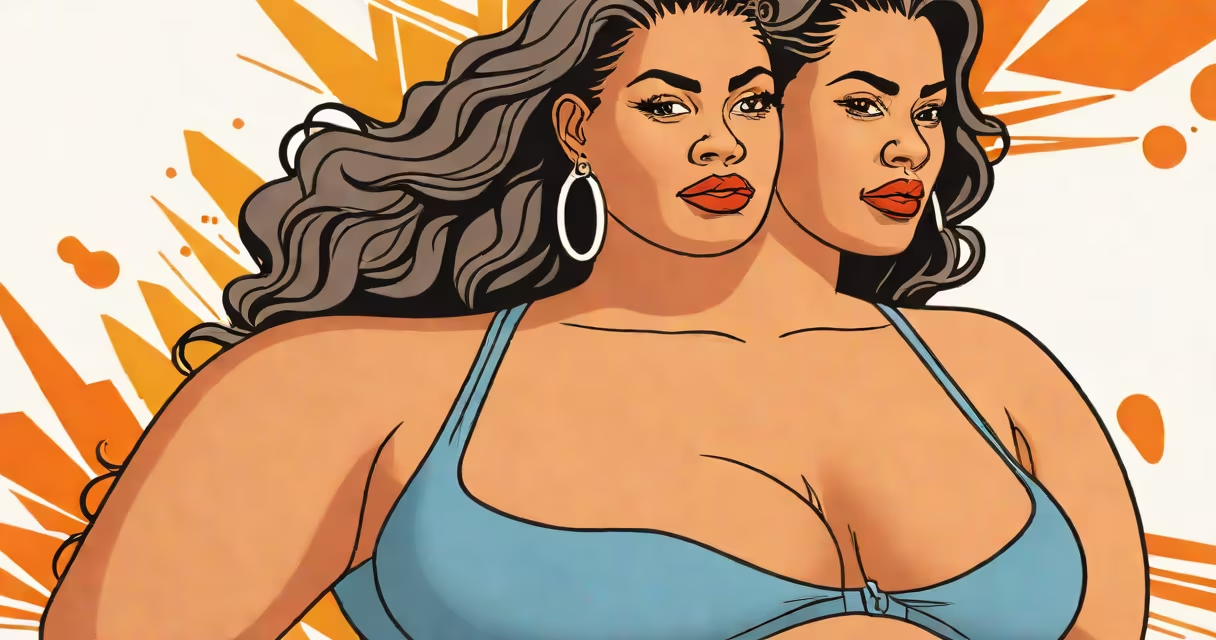
A big bust size generally refers to a bust measurement of 40 inches (101.6 cm) or more, typically corresponding to a DDD cup or larger in standard bra sizing. This measurement reflects the fullest part of the chest, taken horizontally around the torso at the level of the nipples.
Bra sizing combines band and cup measurements. For example, a 34DDD corresponds to a 34-inch band and a DDD cup, which equals approximately 40 inches of bust circumference. The term "big" is subjective but widely understood in fashion and retail contexts as exceeding average bust dimensions for adult women.
According to the American Society of Plastic Surgeons, the average female bust size in the U.S. is between 34 and 36 inches. A size of 40 inches or above falls in the upper 10th percentile, placing it among the largest typical sizes seen in commercial apparel.
Bust size is measured using a flexible tape measure placed snugly around the fullest part of the chest, just under the armpits and across the front. The tape should remain parallel to the floor and not compress the breasts. Measurements are recorded in inches or centimeters.
Cup size is derived by subtracting the band size from the bust measurement. A difference of 3 inches results in a B cup, 4 inches in a C, 5 in a D, and so on. A 34-inch band with a 40-inch bust yields a 6-inch difference, equating to a DDD cup. This system applies to most major brands, though some retailers use extended sizing (e.g., G, H, J).
For accuracy, take multiple measurements while standing upright and breathing normally. Many women report discrepancies when measuring themselves versus being fitted by a professional. A study published in the Journal of Women's Health found that 76% of women wear incorrectly sized bras, with oversized cups being common among those with larger busts.
Standard bra sizing systems differ slightly by region and brand. The following table outlines common formats:
| Band Size | Bust Measurement (inches) | Cup Equivalent | Common Retailer Use |
|---|---|---|---|
| 34 | 40+ | DDD or G | Victoria's Secret, Lane Bryant |
| 36 | 42+ | DDD or H | Lane Bryant, Torrid, ASOS |
| 38 | 44+ | DDD or J | Torrid, Plus Size Brands |
Some brands offer extended sizing beyond traditional letters. For example, Torrid uses a numeric scale (e.g., 34/40 = 34-40, 36-42) and includes sizes up to 56 inches in bust. These systems prioritize actual measurement over letter-based cup sizing, reducing confusion.
European sizing differs. A 34DDD in the U.S. may correspond to a 75F in Europe. Cross-referencing size charts is essential when shopping internationally.
Wearing ill-fitting bras leads to discomfort, poor posture, and long-term health issues such as back pain and shoulder strain. A properly fitted bra supports the weight of breast tissue evenly, reducing stress on ligaments and muscles.
I once tried a popular off-the-rack dress with a fitted bodice. After wearing it for two hours, my shoulders were sore and the neckline gaped. Switching to a tailored piece with a higher neckline and adjustable straps eliminated the pressure. That experience confirmed how critical accurate sizing is-not just for comfort, but for confidence.
One widespread myth is that big bust size automatically means high volume or heavy weight. While larger busts do carry more mass, weight varies based on tissue density and body fat percentage. Two women with identical bust measurements can differ in weight due to composition.
Another misconception is that bigger cups always require larger bands. This is false. A 34 band with a DDD cup is valid. Band size is determined by ribcage measurement, not bust size. Wearing a too-tight band-even with a large cup-can restrict breathing and cause discomfort.
Finally, many assume that big bust sizes are rare. But according to the National Health and Nutrition Examination Survey (NHANES), nearly 1 in 5 adult women in the U.S. wears a bra size of 36 or larger. The prevalence increases with age, peaking between 40 and 50 years old.
To determine your bust size:
For example: If your band measures 34 inches and your bust measures 40 inches, the difference is 6 inches, which corresponds to a DDD cup. Your full size is 34DDD.
When in doubt, visit a professional fitter. Stores like Nordstrom and Bloomingdale's offer free bra fittings. Online tools like the BraFit app also provide guided measurement tutorials.
Understanding your big bust size ensures access to well-fitting garments and reduces the risk of physical strain. Knowing your size empowers choices in both function and style.
Knowing your big bust size isn't about fitting a trend-it's about finding clothes and bras that support your body correctly. in-store, accurate measurement prevents frustration and promotes long-term comfort.