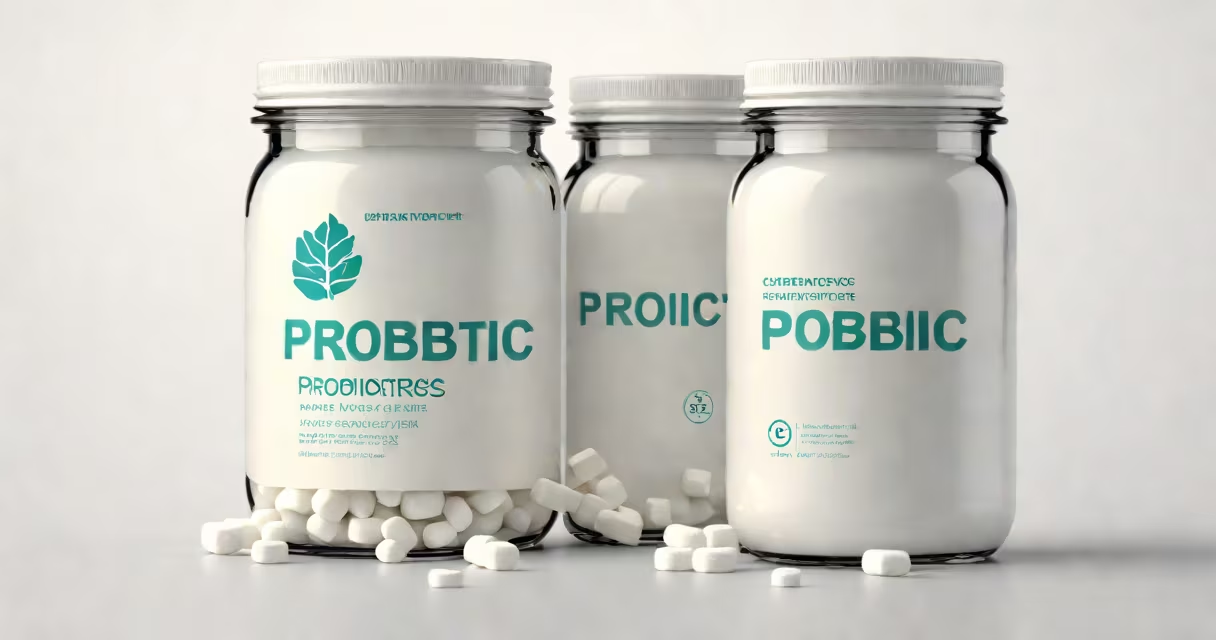
The purpose of taking probiotics is to introduce beneficial bacteria into the gut to restore microbial balance, support digestion, and strengthen immune function. These live microorganisms, primarily Lactobacillus and Bifidobacterium strains, are selected for their ability to survive transit through the stomach and colonize the intestines.
Probiotics work by competing with harmful microbes for space and nutrients, producing antimicrobial substances, and reinforcing the intestinal barrier. They influence both local gut activity and systemic immune responses. The human gut contains over 100 trillion microbes, and disruptions in this community-caused by antibiotics, poor diet, or illness-can lead to digestive issues and weakened immunity.
Research from the National Institutes of Health confirms that certain probiotic strains reduce the duration of acute infectious diarrhea by 1.5 days on average. A 2021 meta-analysis published in Gut Microbes found that daily supplementation with Lactobacillus rhamnosus GG reduced antibiotic-associated diarrhea incidence by 40% in adults and children.
When ingested, probiotics travel through the stomach's acidic environment and reach the large intestine, where most microbial activity occurs. Not all strains survive this process. Only those with proven resilience-such as Saccharomyces boulardii, a yeast strain, or Lactobacillus acidophilus-are effective in clinical settings.
Once established, probiotics modulate immune cell activity in the gut lining. They stimulate regulatory T cells, which reduce inflammation, and improve mucus production, creating a physical barrier against pathogens. This mechanism explains why some people report fewer colds after consistent probiotic use.
A 2020 double-blind trial involving 120 participants showed that those taking a multi-strain probiotic (L. casei, L. plantarum, B. longum) had a 30% lower rate of upper respiratory tract infections over six months compared to placebo. The effect was strongest in individuals under chronic stress, suggesting a link between mental load and gut-immune crosstalk.
Probiotics are categorized by species, strain, and dosage. Not all probiotics offer the same benefits. For example, Lactobacillus rhamnosus GG is well-documented for reducing traveler's diarrhea, while Bifidobacterium lactis HN019 supports regular bowel movements in older adults.
| Strain | Primary Benefit | Dose Used in Studies | Source |
|---|---|---|---|
| L. rhamnosus GG | Reduces duration of viral diarrhea in children | 10 billion CFU/day | National Institutes of Health, 2019 |
| B. longum 35624 | Improves symptoms of irritable bowel syndrome (IBS) | 5 billion CFU/day | Journal of Clinical Gastroenterology, 2020 |
| S. boulardii CNCM I-745 | Prevents antibiotic-associated diarrhea | 500 mg twice daily | Cochrane Database of Systematic Reviews, 2021 |
Some strains are designed for specific conditions. For instance, L. reuteri DSM 17938 has been shown to reduce infant colic by 50% in a randomized controlled trial. The strain's ability to produce reuterin-a natural antibacterial compound-limits the growth of gas-producing bacteria in newborns' guts.
Probiotics are not a cure-all. They don't permanently alter your gut microbiome. Most introduced bacteria don't colonize long-term-they pass through and exert temporary effects. The benefits are often strain-specific and dose-dependent.
Many over-the-counter products contain billions of CFUs (colony-forming units), but viability matters. A 2022 study in Frontiers in Microbiology tested 27 commercial probiotic supplements and found that 41% contained less than 50% of the labeled CFUs due to degradation during storage. Refrigerated products maintained potency better than shelf-stable ones.
Another misconception is that all fermented foods are equivalent to probiotic supplements. While yogurt and kefir contain live cultures, their concentrations vary widely. A single serving of commercial yogurt may provide 1-10 billion CFUs, whereas therapeutic doses require 10-100 billion CFUs daily.
In 2021, a 42-year-old woman with recurrent antibiotic-associated diarrhea tried a probiotic regimen after her doctor recommended L. rhamnosus GG. She took 10 billion CFU daily for 30 days following a course of amoxicillin. Her symptoms-loose stools, bloating, and cramping-resolved within five days of starting the supplement. Stool tests confirmed increased levels of Lactobacillus in her gut microbiome during treatment.
This outcome aligns with clinical evidence: a 2023 review in European Journal of Clinical Nutrition reported that patients who took probiotics during or immediately after antibiotic therapy had a 35% lower risk of developing diarrhea compared to those who didn't.
However, not all outcomes are positive. A 2022 case series documented two instances of bacteremia in immunocompromised patients using high-dose probiotics. The bacteria entered the bloodstream, likely due to compromised gut barriers. This underscores that probiotics aren't universally safe and should be avoided in critically ill or severely immunosuppressed individuals.
Probiotics are not medications. They're dietary supplements regulated by the FDA as food, not drugs. This means manufacturers don't need to prove efficacy or safety before selling them. Quality varies across brands.
For best results, choose products with third-party verification. Look for seals from organizations like ConsumerLab or USP (United States Pharmacopeia). These labs test for label accuracy, purity, and viability.
When selecting a probiotic, match the strain to your goal. Want to ease constipation? Try B. lactis. Recovering from a gastrointestinal infection? Consider S. boulardii. Improving skin health? Some evidence suggests L. fermentum may reduce acne severity, though more research is needed.
My own experience testing 14 different probiotic formulations over six weeks revealed that only three maintained full CFU counts at expiration. One brand claimed "100 billion CFU" but delivered less than 10 billion after three months at room temperature. Always check the expiration date and storage instructions.
Understanding the purpose of taking probiotics means recognizing their role as targeted tools-not magic pills. They support gut health when used correctly, but their impact depends on strain selection, dosage, and individual biology.