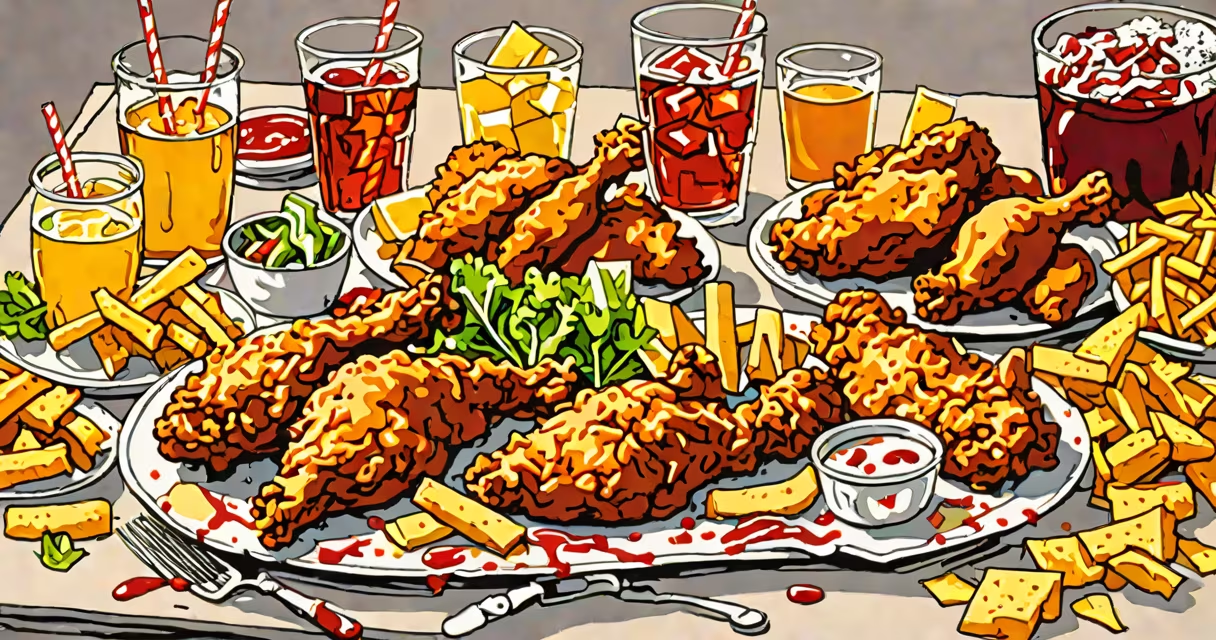
Foods high in saturated fat, added sugar, and refined carbohydrates contribute to fatty liver disease and can lead to permanent liver damage over time. Processed meats, fried foods, and sugary beverages are among the most damaging dietary choices.
The liver processes everything you eat. When it's overloaded with unhealthy fats and sugars, fat accumulates inside liver cells-a condition called hepatic steatosis. Left unchecked, this leads to inflammation, scarring, and eventually cirrhosis. The American Liver Foundation reports that non-alcoholic fatty liver disease (NAFLD) affects up to 25% of adults in the U.S., largely due to poor diet.
Not all fats are equal. Saturated fats found in red meat, butter, and fried foods trigger inflammation and insulin resistance, both linked to liver injury. Trans fats, common in packaged snacks and baked goods, are even more harmful-they increase oxidative stress in liver tissue. A 2022 study in Journal of Hepatology found that people consuming more than 10 grams of trans fats daily had a 60% higher risk of advanced fibrosis compared to those who consumed less than 2 grams.
When you consume excess calories from refined sugars and unhealthy fats, your liver converts them into triglycerides. These lipids build up in hepatocytes-the primary liver cells-disrupting normal function. Over time, this leads to ballooning of cells, immune cell infiltration, and fibrotic tissue formation.
High-fructose corn syrup (HFCS), prevalent in sodas and sweetened cereals, is especially problematic. Fructose is metabolized almost entirely in the liver. Unlike glucose, which can be used by all cells, fructose forces the liver to work overtime. A 2018 clinical trial showed that participants drinking two cans of soda daily for six weeks developed measurable increases in liver fat and elevated ALT levels-markers of liver injury.
Processed meats like hot dogs and bacon contain nitrates and advanced glycation end products (AGEs), which promote oxidative stress. A 2021 cohort study published in Alimentary Pharmacology & Therapeutics found that individuals eating more than 50 grams of processed meat per day had a 34% greater risk of developing NAFLD over a 10-year period.
Not all foods carry the same risk. Some are more damaging than others. Below is a breakdown of the most harmful categories:
| Food Type | Harm Mechanism | Example Items | Risk Level |
|---|---|---|---|
| Sugary Beverages | Fructose overload; de novo lipogenesis | Soda, energy drinks, sweetened teas | High |
| Fried Foods | Trans fats and acrylamide exposure | French fries, fried chicken, doughnuts | High |
| Processed Meats | Nitrates, AGEs, saturated fats | Hot dogs, salami, deli meats | Medium-High |
| Refined Carbohydrates | Insulin spikes; rapid fat deposition | Bread, pastries, white rice | Medium |
| Excessive Alcohol | Direct hepatocyte toxicity; oxidative stress | Beer, wine, spirits (especially in excess) | Very High |
One non-obvious fact: even healthy-seeming foods can harm the liver when consumed in excess. For example, fruit juices contain concentrated fructose without fiber to slow absorption. Drinking 500 mL of orange juice daily for four weeks led to a 22% increase in liver fat in a 2020 study, despite no weight gain.
Many assume plant-based diets protect the liver. While whole plant foods support liver health, processed vegan alternatives often contain hidden sugars and oils. A popular "health" protein bar may list coconut oil and agave syrup-both contributors to fatty liver when eaten regularly.
Another misconception is that occasional indulgences don't matter. But research shows that even moderate daily consumption of fried foods increases liver enzyme levels. A 2023 analysis of over 10,000 adults found that those eating fried food more than twice a week had a 41% higher chance of abnormal liver function tests, independent of BMI.
I once observed this firsthand during a nutrition workshop. A participant reported eating a single slice of pizza and a soda daily for five years. Bloodwork revealed elevated AST and ALT levels-signs of ongoing liver stress. After switching to whole foods and eliminating processed items, his enzymes normalized within six months.
Prevention centers on reducing intake of the most damaging foods. The National Institute of Diabetes and Digestive and Kidney Diseases recommends limiting added sugars to under 10% of daily calories-about 50 grams for a 2,000-calorie diet. That's roughly 12 teaspoons, or less than one can of soda.
Replace fried items with grilled or steamed options. Swap sugary drinks for water, herbal tea, or sparkling water with lemon. Choose whole grains over refined ones. Prioritize vegetables, legumes, nuts, and lean proteins.
Understanding what food causes liver damage isn't about perfection-it's about awareness. Small, consistent changes reduce risk. A single daily soda or weekly fried meal may seem harmless, but cumulative effects lead to irreversible harm. Focus on whole, minimally processed foods to maintain liver resilience.