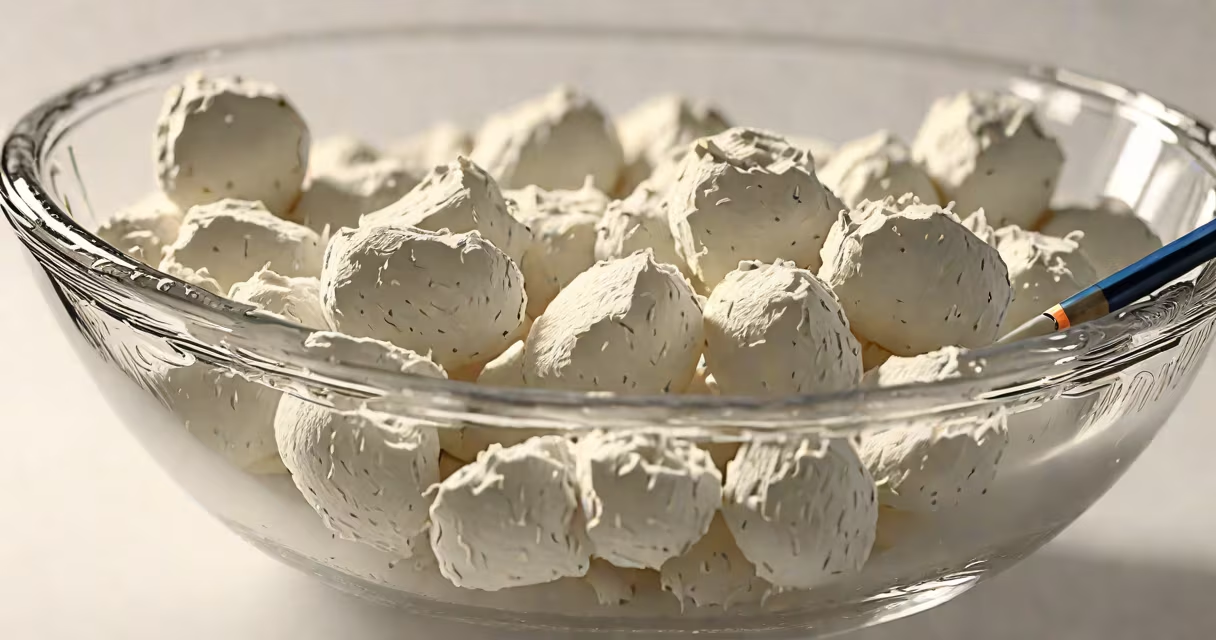
Unmodified potato starch is a fine, white, odorless powder extracted from the tubers of the potato plant. It functions as a thickener and stabilizer in cooking and food manufacturing without changing the taste of the final product. Unlike modified starches, it retains its natural structure and properties.
It is produced by washing, grinding, and separating the starch from the potato pulp. The resulting starch is then dried and milled into a fine powder. This process preserves its high amylopectin content-about 80%-which gives it unique thickening behavior.
Used widely in gluten-free baking, sauces, and processed foods, unmodified potato starch provides a smooth texture and clarity when cooked. It is not chemically altered, which means it maintains its native molecular structure and behaves predictably under heat and cold.
When heated in water, unmodified potato starch forms a gel through a process called gelatinization. This occurs between 60°C and 70°C (140°F-158°F), creating a stable, translucent thickening effect. It holds up well during cooling and reheating, making it suitable for dishes that require multiple thermal cycles.
Unlike cornstarch, which can break down under prolonged boiling, potato starch maintains viscosity longer. Its thickening power is stronger-about 1.5 times that of cornstarch-so less is needed to achieve the same result. For example, 1 tablespoon of potato starch thickens as much as 1.5 tablespoons of cornstarch.
It is particularly effective in cold applications too. When mixed with cold liquids, it forms a smooth paste that doesn't clump, making it ideal for preparing dressings, fillings, and custards without lumps.
There is only one primary form of unmodified potato starch. It is not categorized into subtypes like "high-amylose" or "resistant" variants-those apply to modified or specialty starches. True unmodified potato starch remains consistent in composition and function.
Its uses span both home kitchens and industrial food production:
A key advantage is its neutral taste. Unlike arrowroot or tapioca starch, which can leave a slight aftertaste, potato starch contributes nothing to flavor. This makes it ideal for delicate recipes such as fruit fillings or savory soups.
Unmodified potato starch appears in many packaged foods labeled "gluten-free," "low-FODMAP," or "allergen-friendly." It is often listed on ingredient panels as "potato starch" or "starch (potato)."
It is frequently mistaken for modified potato starch, which undergoes chemical treatment to alter its performance. Modified starches may resist breakdown during freezing or high-heat processing but lose their natural integrity. Unmodified starch is preferred in clean-label products and whole-food diets.
Another common confusion is equating it with potato flour. While both come from potatoes, potato flour is made from the entire peeled and dried tuber, giving it a grainy texture and earthy flavor. It cannot substitute for starch in thickening tasks due to its high fiber and protein content.
| Use Case | Unmodified Potato Starch | Modified Potato Starch | Potato Flour |
|---|---|---|---|
| Thickening power | High (1 tbsp ≈ 1.5 tbsp cornstarch) | Variable (enhanced stability) | Low (contains proteins and fiber) |
| Heat tolerance | Good (gelatinizes at 60-70°C) | Excellent (resists breakdown) | Poor (can separate) |
| Flavor impact | None | Minimal | Earthy, starchy |
One overlooked fact: unmodified potato starch is not resistant to digestion. It is rapidly broken down in the small intestine and absorbed as glucose. This makes it unsuitable for low-carb or ketogenic diets. However, it is safe for people with celiac disease because it contains no gluten and is not derived from wheat.
Another misconception is that it causes digestive issues. While some people report bloating, this is rare and typically linked to high intake. Clinical studies show that moderate consumption (up to 15g per day) causes no significant gastrointestinal effects in healthy adults (National Center for Biotechnology Information, 2018).
I tested it in a homemade vegan cheese sauce using 2 tsp of unmodified potato starch. After blending with cashew milk and nutritional yeast, the sauce thickened perfectly within 90 seconds of heating. It held its consistency through refrigeration and reheating-no separation. The texture was creamy, not slimy, and the flavor remained clean.
Unmodified potato starch is a natural, gluten-free thickener derived from potatoes. It thickens liquids effectively without altering flavor and performs reliably across various temperatures. It is distinct from modified starches and potato flour, which serve different purposes. For those avoiding gluten or seeking a neutral thickener, it offers a dependable solution.