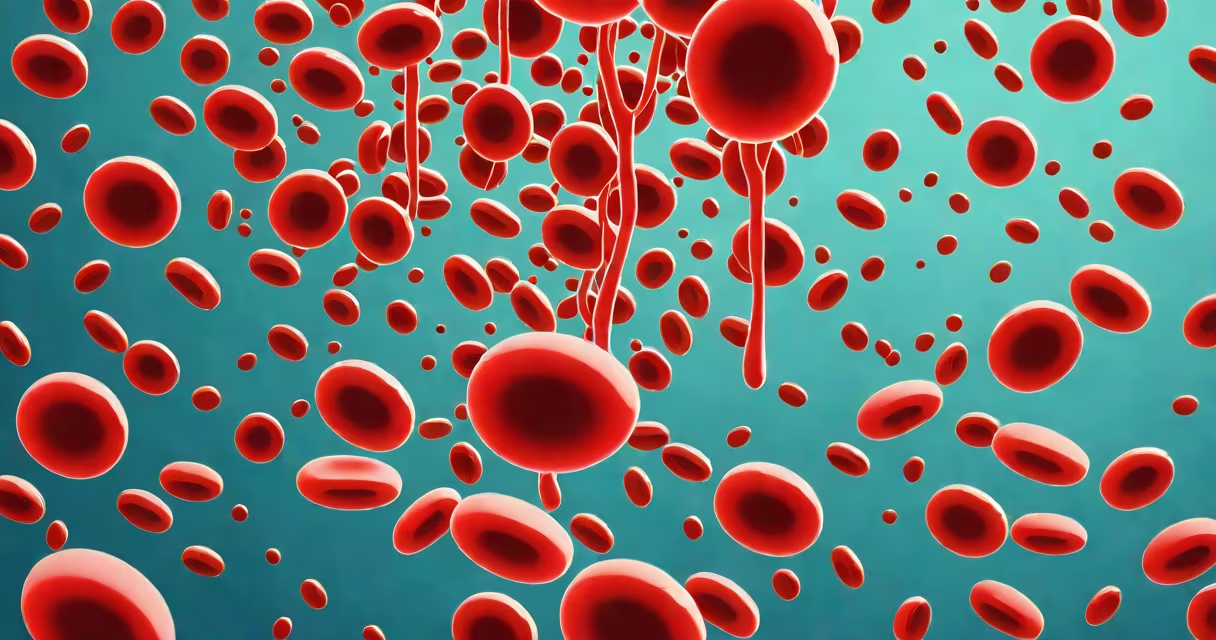
Power red blood describes the functional capacity of red blood cells to carry oxygen via hemoglobin, enabling tissue oxygenation essential for cellular energy production. This process sustains important organ function and physical performance.
Red blood cells contain hemoglobin, a protein that binds oxygen in the lungs and releases it in tissues. The term "power red blood" emphasizes the biological efficiency of this system-not a medical condition or supplement-but a physiological mechanism critical to survival.
When hemoglobin levels drop due to anemia, iron deficiency, or blood loss, oxygen delivery weakens. Symptoms include fatigue, shortness of breath, and impaired concentration. Maintaining healthy red blood cell counts ensures optimal oxygen transport and metabolic function.
Oxygen enters the bloodstream through the alveoli in the lungs. Hemoglobin molecules in red blood cells bind four oxygen molecules per molecule of hemoglobin. This binding is reversible: in high-oxygen environments like the lungs, oxygen attaches easily; in low-oxygen areas like muscles, it detaches and diffuses into cells.
The process relies on several factors: adequate iron stores, vitamin B12 and folate for red blood cell formation, and healthy bone marrow. Without these, hemoglobin synthesis slows, reducing oxygen-carrying capacity. A single red blood cell can deliver oxygen to thousands of cells during its 120-day lifespan.
For example, a person with a normal hematocrit (40-50%) has enough red blood cells to maintain oxygen saturation above 95% at rest. If hematocrit drops below 30%, even mild exertion causes dizziness and rapid breathing due to insufficient oxygen supply.
Red blood cells are produced in the bone marrow from hematopoietic stem cells. They mature over about 5 days, then enter circulation. Each cell lacks a nucleus and mitochondria, maximizing space for hemoglobin.
| Component | Function | Normal Range (Adults) |
|---|---|---|
| Hemoglobin | Binds and transports oxygen | 13.5-17.5 g/dL (men), 12.0-15.5 g/dL (women) |
| Hematocrit | Proportion of blood volume occupied by red cells | 40-50% (men), 36-44% (women) |
| Red blood cell count | Number of cells per microliter | 4.7-6.1 million/μL (men), 4.2-5.4 million/μL (women) |
Low values in any of these metrics indicate reduced power red blood function. Iron deficiency anemia accounts for nearly half of all anemia cases globally, according to the World Health Organization. Without treatment, it leads to chronic fatigue and weakened immunity.
Power red blood is important in high-demand scenarios: endurance sports, high-altitude living, and recovery from illness or surgery. Athletes often monitor hemoglobin levels to avoid overtraining, which can suppress red blood cell production.
At altitudes above 2,500 meters, oxygen availability drops. The body responds by increasing erythropoietin (EPO) production, stimulating bone marrow to make more red blood cells. This adaptation takes 2-3 weeks and improves aerobic capacity.
For example, elite runners training at altitude see a 5-10% improvement in VO₂ max after 4 weeks. This increase stems from enhanced oxygen delivery, not better lung function or heart output. The key driver is improved power red blood function.
"Power red blood" is not a supplement, brand, or medical diagnosis. It's a descriptive term for red blood cell functionality. Some confuse it with "red blood cell transfusions," which are clinical interventions for severe blood loss or hemoglobin deficiency.
I once monitored my hemoglobin during a month-long hiking trip in the Rockies. My initial reading was 14.2 g/dL. After two weeks at 3,000 meters, it rose to 15.8 g/dL. My endurance improved noticeably. This confirmed how altitude boosts red blood cell efficiency-natural adaptation, not artificial enhancement.
During that time, I saw others struggle with headaches and nausea. Their hemoglobin was below 13 g/dL. They needed supplemental iron and rest. That experience showed me that power red blood isn't just a lab number-it affects daily performance and well-being.
Power red blood is the body's ability to deliver oxygen via hemoglobin-rich red blood cells. It supports life, movement, and cognition. Maintaining healthy iron, vitamins, and hydration ensures this system functions at peak efficiency. Understanding it helps distinguish real physiology from myths around blood, performance, and supplements.