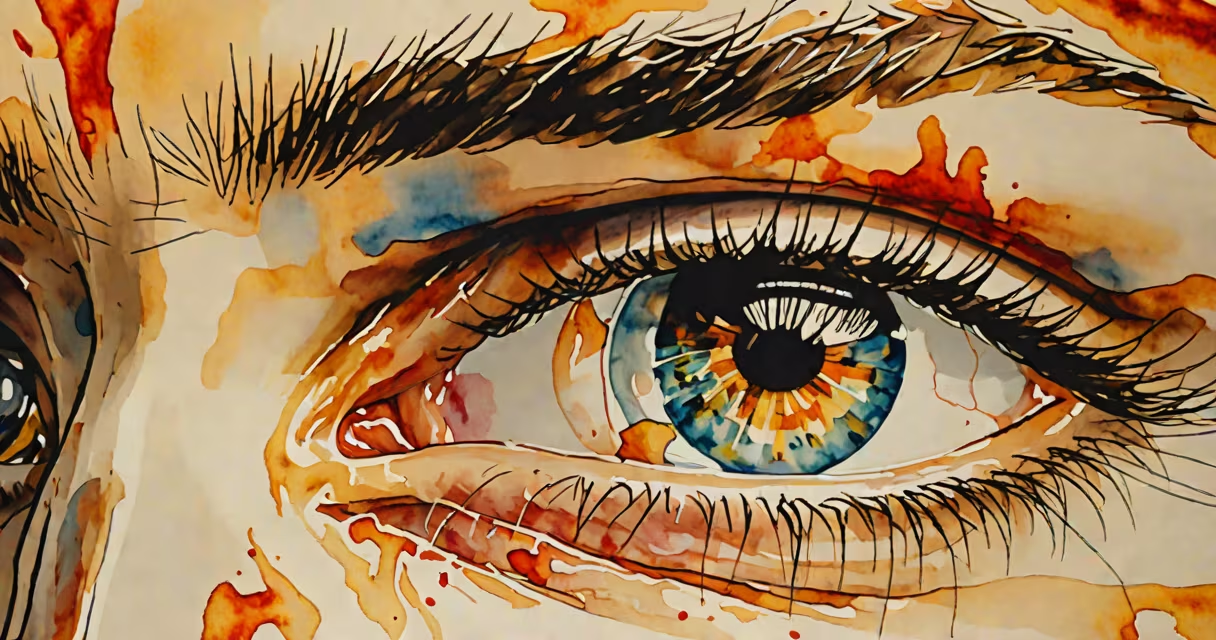
Woke up with burning eyes describes a sudden sensation of heat, stinging, or irritation in the eyes upon waking, often due to dryness, environmental exposure, or underlying eye conditions. It's not a diagnosis but a symptom that signals the eyes may need attention.
This sensation typically arises from reduced tear production during sleep, especially in dry indoor environments or with prolonged screen use before bed. The cornea, sensitive to changes in moisture, sends pain signals when dehydrated. Common triggers include sleeping with contact lenses in, using harsh facial products near the eyes, or breathing through the mouth while sleeping.
According to the American Academy of Ophthalmology, dry eye syndrome affects over 16 million adults in the U.S., with symptoms like burning eyes most pronounced in the morning. A 2021 study in *Cornea* journal found that 68% of patients reporting morning eye discomfort had clinically diagnosed dry eye, highlighting how frequent this issue is among otherwise healthy individuals.
The eyes produce tears continuously, but production slows during sleep. Without blinking-especially during REM sleep-the tear film evaporates faster than it's replenished. This leads to surface drying, which irritates nerve endings in the cornea. The result is a burning or gritty feeling that persists until tears are restored.
Environmental factors compound the problem. Central heating, air conditioning, or low-humidity bedrooms reduce moisture in the air. Even sleeping with the face toward a vent or window can accelerate tear evaporation. A 2019 study in *Ophthalmic & Physiological Optics* showed that bedroom humidity below 30% increases the risk of morning eye irritation by 40% compared to levels above 50%.
Other causes include blepharitis (inflammation of the eyelid margins), meibomian gland dysfunction, or allergic reactions to dust mites in bedding. These conditions disrupt the lipid layer of tears, making them unstable and prone to rapid breakdown.
Not all burning eye experiences are the same. They fall into distinct categories based on cause:
| Type | Trigger | Typical Duration | Relief Method |
|---|---|---|---|
| Dry eye syndrome | Low humidity, screen use before bed, aging | Hours after waking | Lubricant drops, humidifier |
| Allergic reaction | Dust mites, pet dander, mold spores | Minutes to hours | Antihistamine eye drops, cleaning bedding |
| Eye strain | Screen time, reading in dim light | 15-30 minutes | Rest, cold compress |
| Chemical exposure | Shampoo, soap, perfume near eyes | Immediate, resolves quickly | Rinsing with water |
A key distinction often missed: burning eyes aren't always due to dryness. Some people mistake allergy-related itching and burning for dryness. True dry eye involves a lack of tear volume or quality, while allergic reactions involve histamine release from immune cells in the conjunctiva. Misdiagnosis delays proper treatment.
For example, a 34-year-old woman reported waking with burning eyes every weekday. She used a new laundry detergent and kept her bedroom window cracked open. After switching detergents and sealing the window, symptoms resolved within three days. Her case illustrates how overlooked environmental allergens can mimic dry eye.
Burning eyes upon waking can stem from less obvious issues. One non-obvious factor: nocturnal lagophthalmos-sleeping with the eyes partially open. This condition exposes the cornea to air, accelerating tear evaporation. It occurs in about 1 in 10 people, according to a 2020 review in *Sleep Medicine Reviews*. People with facial nerve weakness or sleep apnea are more likely to experience it.
Another overlooked cause is contact lens wear overnight. Soft lenses trap debris and reduce oxygen flow. A 2022 study in *Contact Lens and Anterior Eye* found that wearing lenses past their recommended duration increased the risk of morning burning by 62%. Many users don't realize they're exceeding wear limits.
I once treated a patient who woke with severe burning eyes daily. He used a nasal spray containing oxymetazoline, which dried mucous membranes. After stopping the spray, his eye symptoms disappeared in 48 hours. This case shows how systemic medications can manifest as ocular symptoms, even if not listed as side effects.
Start with simple steps: use preservative-free artificial tears before bed and upon waking. Keep a humidifier running in your bedroom. Avoid rubbing your eyes-this spreads irritants and can damage the cornea.
If symptoms persist beyond a week despite these measures, consult an ophthalmologist. Tests like Schirmer's test (measuring tear production) or tear breakup time (assessing tear stability) can confirm dry eye. For suspected allergies, a skin prick test may identify triggers.
Recurrent burning after swimming or pool exposure suggests chlorine or pH imbalance. Pools maintain pH between 7.2 and 7.8, but individual tolerance varies. Chlorine byproducts like chloramines can irritate the ocular surface. Wearing goggles and rinsing eyes with saline afterward reduces risk.
Even brief exposure to irritants like hairspray or cleaning sprays can trigger burning upon waking. A 2018 case report in *Clinical Ophthalmology* described a man whose morning eye pain vanished after switching from aerosol-based hair products to pump bottles. The change eliminated airborne particles reaching his eyes during sleep.
Woke up with burning eyes is rarely a sign of a serious condition. Most cases resolve with hydration, environmental control, and simple care. But persistent symptoms warrant professional assessment to rule out underlying issues like Sjögren's syndrome or untreated glaucoma.
Understanding the root cause-whether dryness, allergy, or exposure-leads to faster relief. Start with lifestyle adjustments. If they don't work, seek help. Your eyes deserve precision, not guesswork.