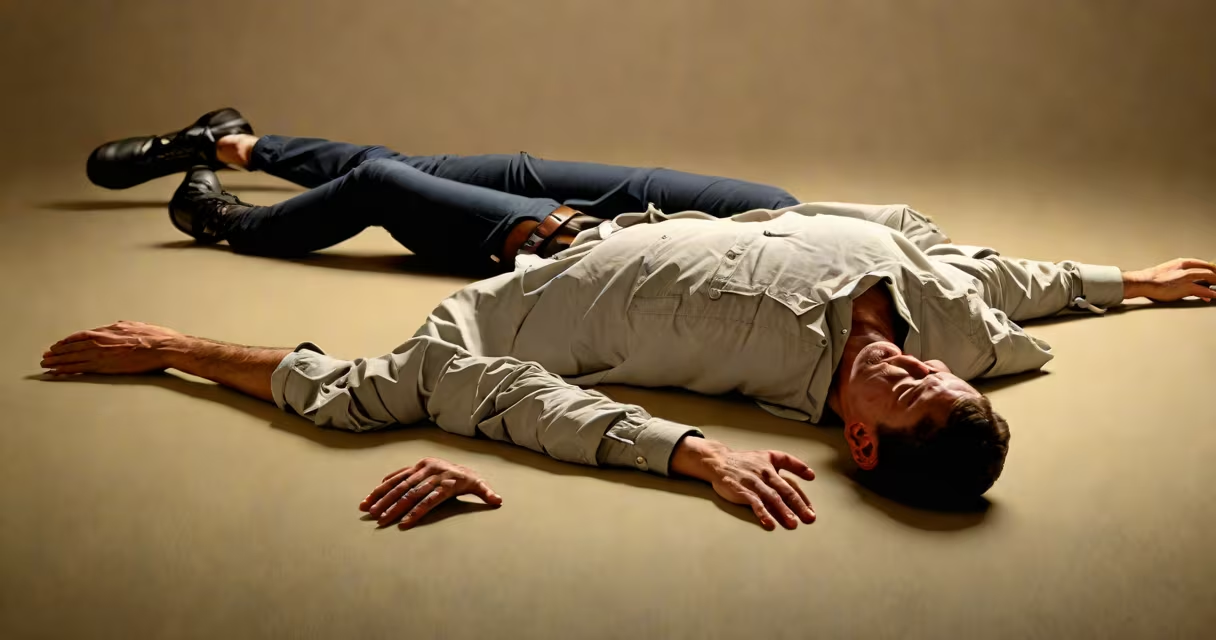
Fainting, or syncope, happens when blood flow to the brain drops sharply, causing a brief loss of consciousness. It's usually temporary and resolves quickly when lying down. The most common cause is vasovagal syncope, triggered by emotional stress or physical strain.
When blood pressure falls too low, the brain doesn't get enough oxygen. This leads to dizziness, blurred vision, and then unconsciousness. The body often responds by lowering heart rate and dilating blood vessels-this reflex is meant to protect the brain during stress. But in some people, the response overshoots, causing a drop in circulation.
According to the American Heart Association, about 40% of people will faint at least once in their lives. Most episodes are harmless, but repeated fainting requires medical evaluation. A single fainting event after standing up quickly may be due to orthostatic hypotension-a drop in blood pressure upon rising. This affects 10-20% of older adults and is linked to dehydration or certain medications.
The process begins with a trigger-pain, fear, prolonged standing, or even the sight of blood. These stimuli activate the vagus nerve, which controls heart rate and blood vessel constriction. Overstimulation leads to a sudden drop in heart rate and blood pressure. Within seconds, the brain receives less oxygen, leading to loss of consciousness.
Recovery typically takes seconds to minutes. Lying flat restores blood flow to the brain. People often regain awareness within 15 seconds and feel weak or nauseous afterward. This is normal. But if someone remains unconscious for longer than a minute, or has trouble breathing, seek emergency care.
A 2021 study published in Neurology found that 60% of first-time fainting episodes were due to vasovagal reactions. Only 10% were linked to serious cardiac issues. Still, doctors recommend evaluating any unexplained fainting, especially in people over 40 or those with heart disease history.
Fainting isn't one condition-it's a symptom with multiple underlying causes. The main categories are reflex-mediated, orthostatic, and cardiac.
| Type | Trigger | Common Setting | Prevalence |
|---|---|---|---|
| Vasovagal syncope | Emotional distress, pain, heat exposure | Medical offices, crowded events, during surgery | 70% of cases |
| Orthostatic hypotension | Rising too fast, dehydration, medication side effects | Morning routines, after drinking alcohol | 10-20% in older adults |
| Cardiac syncope | Arrhythmias, structural heart problems | During exertion, sudden movement | Less than 5% of cases, but higher risk of death |
Reflex-mediated fainting-like fainting during a blood draw-is the most common. It's not dangerous unless it happens repeatedly. Orthostatic fainting often occurs in people taking blood pressure meds or who haven't eaten in hours. Cardiac syncope is rare but serious; it can signal arrhythmia or valve disease.
One non-obvious fact: fainting during laughter-called "laughing syncope"-is real and documented. It's caused by a surge in vagal activity during intense mirth. A 2019 case report in Journal of Clinical Neuroscience described a man who fainted while laughing at a comedy show. His episode lasted 30 seconds and resolved with lying down. No structural heart issue was found.
Fainting is not the same as seizures. While both involve loss of consciousness, seizures involve abnormal electrical activity in the brain. Fainting lacks the jerking movements or post-ictal confusion typical of seizures. The American Epilepsy Society notes that misdiagnosing fainting as epilepsy is common-up to 30% of people initially labeled with epilepsy actually had syncope.
Another misconception: fainting always means a heart problem. That's false. Most cases are benign. However, if fainting happens during exercise, with chest pain, or in someone with a family history of sudden cardiac death, it's a red flag. The Mayo Clinic advises testing for arrhythmias or cardiomyopathy in such cases.
I once observed a college student collapse during a campus orientation. He'd stood for 45 minutes in the sun without water. After lying down and sipping electrolyte drink, he regained color in under a minute. No further symptoms. He'd experienced heat-induced vasovagal syncope-common in young adults during stressful events.
Call emergency services if someone faints and:
Even if recovery is quick, see a doctor if fainting happens more than once. A neurologist or cardiologist may perform an electrocardiogram (ECG), tilt-table test, or Holter monitor to assess heart function.
If fainting occurs during laughter, known as passing out while laughing, it's usually harmless. But persistent episodes should still be checked to rule out rare neurological or cardiac causes.
Understanding what makes u pass out starts with recognizing triggers and responses. Most episodes are brief and resolve on their own. But knowing when to act can prevent injury or reveal a deeper health issue.