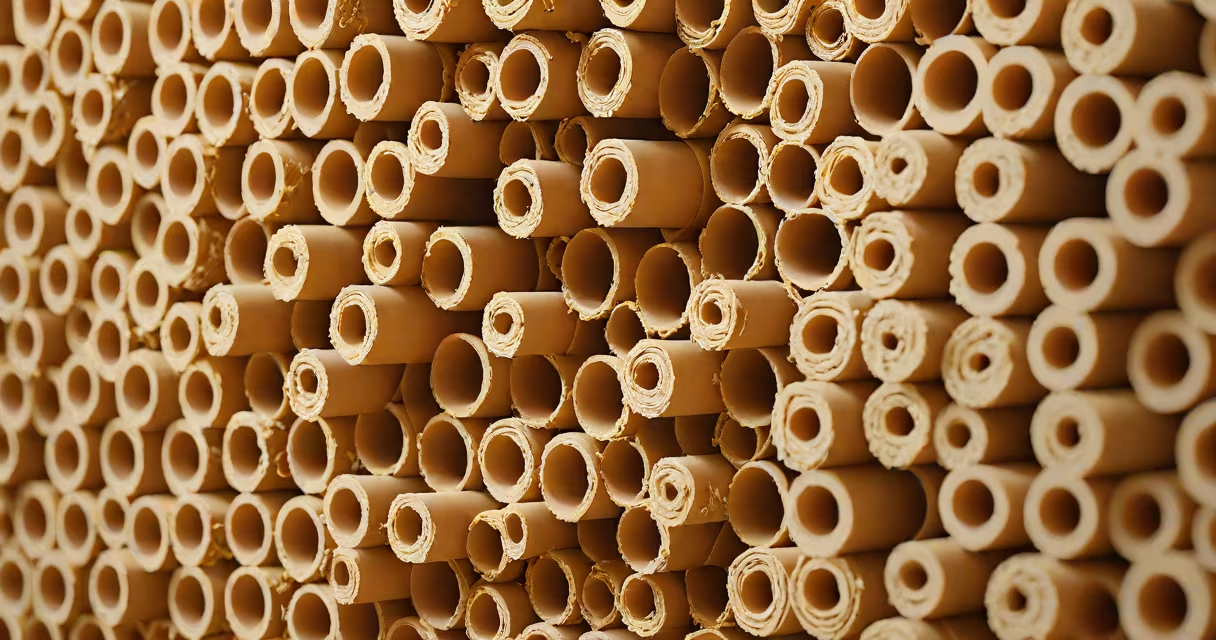
Materials that make good insulators from heat resist the flow of thermal energy, slowing down heat transfer through conduction, convection, and radiation. Effective insulators have low thermal conductivity, high resistance to air movement, and often contain trapped air or gas pockets.
Insulation works by minimizing molecular motion and blocking pathways for heat to move. In buildings, this reduces energy needed for heating and cooling. The best insulators are porous or fibrous, trapping air in small cells that limit convection currents. They also have high R-values-the higher the R-value, the better the resistance to heat flow.
Common insulating materials include fiberglass, mineral wool, polystyrene foam, polyurethane foam, and recycled cellulose. Each performs differently based on density, moisture resistance, and fire rating. For example, fiberglass batts are widely used in residential walls due to cost and ease of installation, while spray foam offers superior sealing and higher R-values per inch.
Heat moves via conduction, convection, and radiation. Insulators disrupt all three. Conduction occurs when heat travels through solid materials. Fibrous or cellular materials slow this because molecules are spaced apart, reducing direct contact.
Convection happens when heat moves through fluids or gases. Air trapped in tiny pockets within insulation prevents large-scale circulation. Without movement, heat cannot travel easily. This is why materials with high porosity-like foam or loose-fill cellulose-are effective.
Radiation involves infrared waves. Reflective surfaces such as aluminum foil in radiant barriers reduce heat transfer by reflecting thermal energy. While not all insulators do this, combining reflective layers with bulk insulation improves performance in hot climates.
Insulating materials fall into categories based on composition and structure. The following table compares common types by R-value per inch, cost, and typical applications.
| Material | R-value per inch | Cost (per sq ft) | Best Use Cases |
|---|---|---|---|
| Fiberglass batts | 3.0-3.8 | $0.50-$1.00 | Wall cavities, attic floors |
| Cellulose (loose-fill) | 3.6-3.8 | $0.75-$1.25 | Attics, retrofitting walls |
| Polyisocyanurate (rigid foam) | 5.0-6.5 | $1.50-$2.50 | Roof decks, exterior sheathing |
| Expanded polystyrene (EPS) | 3.6-4.0 | $0.60-$1.00 | Foundation walls, under slabs |
| Spray polyurethane foam (SPF) | 6.0-7.0 | $2.00-$4.00 | Sealing gaps, complex shapes, new construction |
Each material balances performance, cost, and environmental impact. For example, cellulose is made from recycled paper and has a lower embodied energy than synthetic foams. However, it's less effective in damp environments unless treated with borate for mold resistance.
Polystyrene foams like EPS and XPS are hydrophobic and maintain R-value even when exposed to moisture. But they degrade under UV light and emit volatile organic compounds during manufacturing. High-performance rigid foams offer excellent thermal resistance in thin layers, making them ideal for retrofit projects where space is limited.
Many assume that thick insulation always equals better performance. That's not true. A 2-inch layer of spray foam may outperform a 6-inch layer of fiberglass due to differences in R-value per inch and air sealing ability.
Another misconception is that all "natural" materials are safe or eco-friendly. While cellulose and sheep's wool are renewable and biodegradable, they require treatment to meet fire safety standards. Untreated natural fibers can absorb moisture and support mold growth, reducing effectiveness and causing structural damage.
A key distinction: insulators reduce heat flow but don't eliminate it. Even with R-40 attic insulation, some heat still transfers. The goal is to slow it enough to maintain comfort and reduce energy demand. A well-insulated home loses heat at about 10-20% of the rate of a poorly insulated one, according to the U.S. Department of Energy.
In a 2022 study by the National Institute of Standards and Technology (NIST), a single-family home in Minnesota was retrofitted with 12 inches of blown-in cellulose in the attic and R-21 rigid foam on exterior walls. The result was a 44% reduction in annual heating energy use compared to the original configuration.
The homeowners reported stable indoor temperatures year-round. During winter, indoor temps stayed between 68°F and 70°F with the thermostat set at 65°F-no cold spots near windows or walls. The system maintained performance even during a week-long snowstorm with outdoor temperatures below -20°F.
This outcome wasn't due to insulation alone. Proper air sealing, window glazing, and HVAC sizing were critical. But the insulation choice-cellulose and rigid foam-was central to the success. The combination achieved an wall R-value of R-32 and attic R-value of R-49, exceeding local building code minimums.
I once helped retrofit a 1920s brick house in Portland, Oregon. Original walls had no insulation. We installed 3 inches of closed-cell spray foam behind interior drywall. The process took two days. Afterward, the living room temperature dropped only 2°F over four hours during a winter night, compared to 6°F before.
More, the occupants stopped hearing drafts and noticed less noise from the street. The foam sealed cracks around outlets and baseboards, which had previously allowed cold air infiltration. We verified airflow reduction using a blower door test-air changes per hour dropped from 6.2 to 1.8.
This project confirmed that insulation isn't just about temperature control-it affects comfort, noise, and long-term durability. Choosing the right material matters. Spray foam delivered high performance in a tight space, but it required professional application and ventilation during curing.
One overlooked factor is thermal bridging. Even with excellent insulation, metal studs, wood framing, and concrete foundations conduct heat. If not addressed, they create weak points where heat escapes. For example, a steel stud wall with R-13 insulation still loses 30% more heat than expected due to the metal frame acting as a thermal bridge.
To fix this, builders use continuous insulation-such as rigid foam applied over framing before siding. This creates a barrier that interrupts heat paths. According to the U.S. Environmental Protection Agency, addressing thermal bridging can improve whole-wall R-values by up to 25%.
Also, many people think insulation only matters in cold climates. But in hot regions like Phoenix or Miami, insulation prevents heat gain. Poor attic insulation can raise indoor temperatures by 10-15°F during summer peak hours. Proper insulation keeps homes cooler, reducing AC load and energy bills.
For maximum efficiency, combine insulation with other strategies: reflective roofing, shading devices, and high-performance windows. A home with R-30 walls, R-40 attic, and low-e windows can cut cooling costs by nearly half compared to standard construction.
Understanding what materials make good insulators from heat enables smarter decisions in construction, renovation, and energy planning. The right choice depends on climate, budget, space constraints, and long-term goals. Always consider both R-value and installation quality.
Selecting effective insulating materials requires balancing performance, cost, and environmental impact. With the right knowledge, you can choose options that reduce energy waste, lower emissions, and improve indoor comfort.