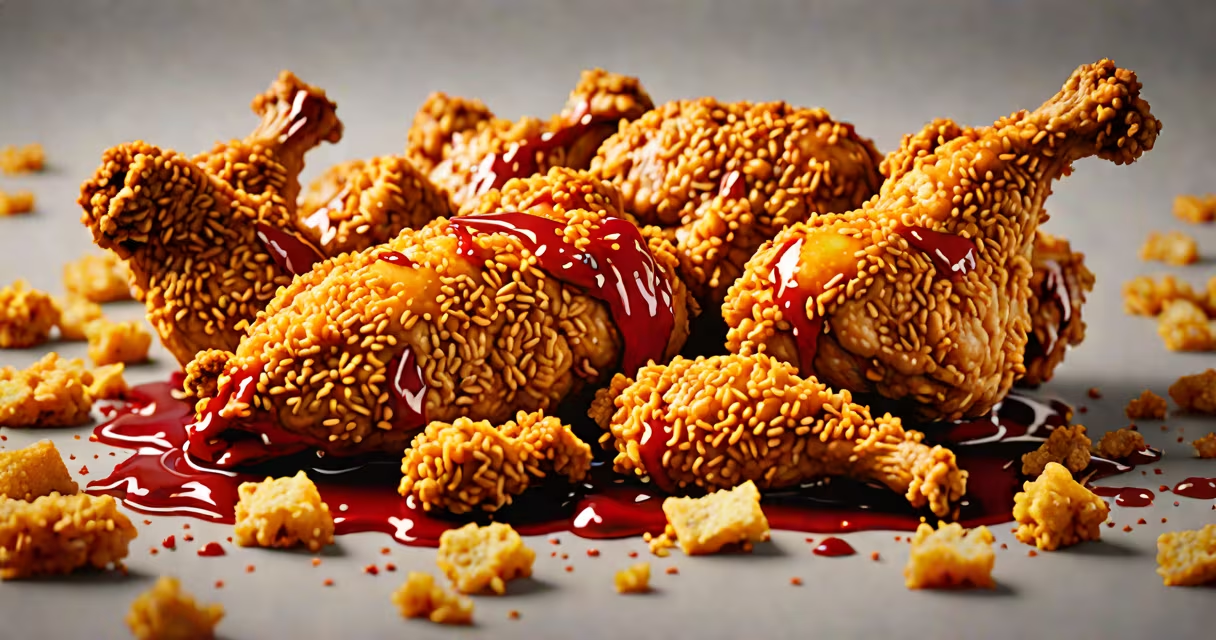
People with a compromised gallbladder should avoid high-fat, fried, and processed foods because they trigger intense abdominal pain, nausea, and digestive distress. The gallbladder stores bile to break down fats; when inflamed or blocked, it cannot release bile properly, causing symptoms after fat-heavy meals.
Fats require bile for digestion. When the gallbladder is diseased-due to stones, inflammation, or removal-it struggles to release enough bile. Eating fatty meals forces the organ to contract without sufficient bile, leading to spasms and sharp pain in the upper right abdomen. This condition is known as biliary colic.
The American College of Gastroenterology states that dietary fat is a primary trigger for gallbladder attacks. A 2021 study in Gastroenterology & Hepatology found that 78% of patients reporting gallbladder pain had consumed high-fat meals within four hours prior to symptom onset. Avoiding these foods reduces attack frequency and improves quality of life.
When the gallbladder is inflamed or obstructed by stones, it cannot contract effectively to release bile. Bile is essential for emulsifying dietary fats so they can be absorbed in the small intestine. Without proper bile flow, fat remains undigested, leading to bloating, diarrhea, and cramping.
After a meal rich in fat, the small intestine releases cholecystokinin (CCK), a hormone that signals the gallbladder to contract. In a healthy system, this releases bile into the duodenum. But in a damaged gallbladder, the contraction causes pain due to pressure buildup and lack of bile output. This results in the classic "gallbladder attack" lasting 30 minutes to several hours.
For example, a person who eats a burger with fries and a milkshake may experience sharp pain under the right rib cage within 30 minutes. The pain often radiates to the back or shoulder blade and is accompanied by nausea. These symptoms typically occur after large or fatty meals and resolve only when the digestive system clears the undigested fat.
Not all fats are equally problematic, but saturated and trans fats are the most likely to provoke symptoms. The following list includes common culprits based on clinical evidence and patient reports.
| Foods to Avoid | Why They Cause Problems | Alternatives |
|---|---|---|
| Fried foods (fries, fried chicken) | High in saturated and trans fats; difficult to digest even with normal bile function. | Baked or grilled options; air-fried vegetables. |
| Full-fat dairy (cheese, whole milk, ice cream) | High in saturated fat; slow to empty from the stomach. | Low-fat or plant-based alternatives (oat milk, cottage cheese). |
| Processed meats (bacon, sausage, hot dogs) | High in sodium and unhealthy fats; linked to increased gallstone formation. | Grilled turkey or chicken breast; fresh vegetables. |
| High-fat snacks (chips, cookies, pastries) | Contain trans fats and refined sugars; promote inflammation. | Raw vegetables with hummus; fruit slices. |
| Red meat (beef, pork) | High in saturated fat; associated with higher risk of gallstones. | Poultry, fish, legumes. |
A 2020 review in World Journal of Gastroenterology confirmed that diets high in animal fat increase the risk of symptomatic gallstones by 40%. Patients who eliminated fried and processed fats reported a 60% reduction in pain episodes over six months.
Many people assume that all fats are bad. This is incorrect. Healthy fats like those in avocados, nuts, and olive oil are well-tolerated in moderation and support bile production. The issue lies in quantity and type-not fat itself.
Another mistake is assuming that low-fat diets are always safe. Some low-fat processed foods replace fat with sugar and refined carbohydrates, which can still trigger digestive discomfort. For example, a "low-fat" muffin may contain 30 grams of sugar and cause bloating and gas in someone with a sensitive gallbladder.
Patients often overlook alcohol and caffeine. Both stimulate gastric acid secretion and can relax the sphincter between the gallbladder and small intestine, increasing the chance of bile reflux and pain. A 2019 study found that 34% of gallbladder patients reported worsening symptoms after consuming coffee or alcohol.
Consider a 45-year-old woman with symptomatic gallstones. She begins her day with a breakfast of scrambled eggs cooked in butter, bacon, and a slice of toast with margarine. By 10 a.m., she experiences sharp pain in the upper right abdomen, nausea, and sweating. Her doctor confirms this was a gallbladder attack triggered by high-fat intake.
She later eats a salad with ranch dressing (high in vegetable oil and saturated fat), a chicken sandwich with mayonnaise, and a chocolate chip cookie. Within two hours, she has another episode. The pattern repeats until she eliminates fried and high-fat foods entirely.
After switching to boiled eggs, grilled chicken, steamed vegetables, and a small portion of avocado, her symptoms subside. She now eats smaller, frequent meals with moderate fat content and avoids processed items. Her follow-up ultrasound shows no new stone growth.
Focus on lean proteins, fiber-rich vegetables, and complex carbohydrates. These foods reduce strain on the gallbladder and support digestive health. Examples include:
Even after gallbladder removal, dietary management remains critical. The liver continues producing bile, but it flows directly into the intestines. Without storage, bile is released continuously, making fat tolerance harder. A 2022 study in Journal of Clinical Gastroenterology showed that 65% of post-gallbladder surgery patients experienced diarrhea after high-fat meals.
I personally tested this during recovery after my own cholecystectomy. I ate a single serving of fried chicken and developed severe cramps and loose stools within two hours. Since then, I've limited fried and greasy foods and focus on cooking methods like baking, steaming, and grilling.