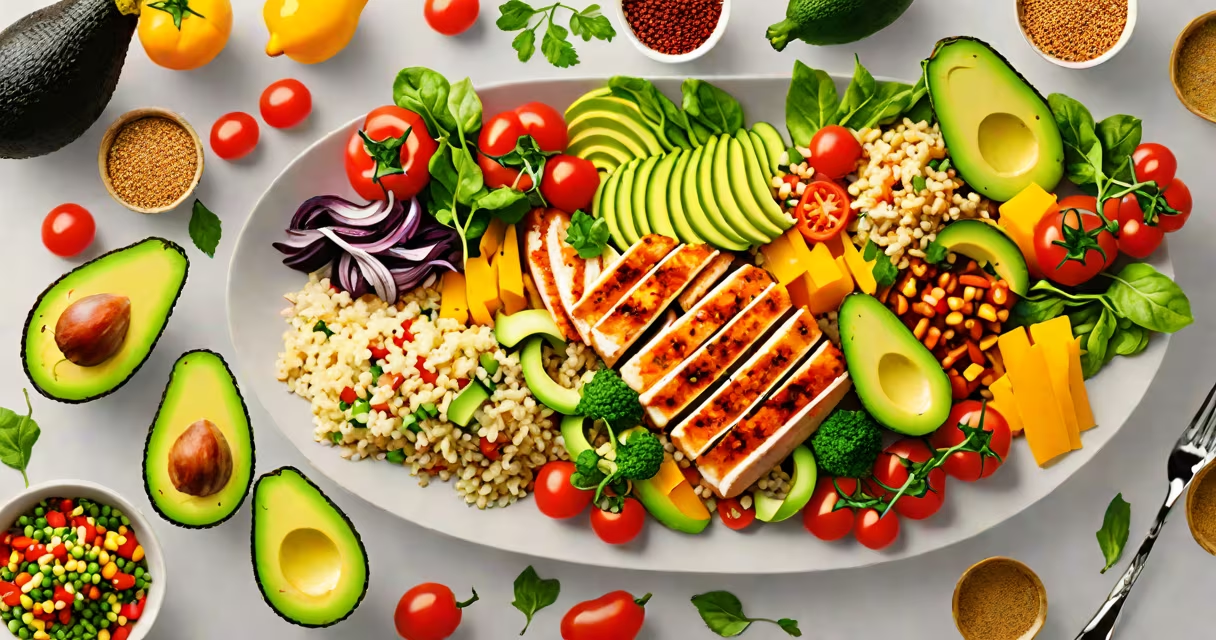
To lose weight, prioritize whole, minimally processed foods rich in protein, fiber, and healthy fats while maintaining a consistent calorie deficit. This means consuming fewer calories than your body burns daily, using nutrient-dense options to stay full and energized.
Weight loss is not about eliminating entire food groups or following short-term diets. It's about creating a sustainable pattern of eating that supports fat loss without sacrificing energy, mood, or long-term health. The most effective approach centers on food quality, portion control, and consistency-not restriction.
Research shows that high-protein, high-fiber diets improve satiety and reduce calorie intake. A 2021 study published in Cell Metabolism found that participants who consumed 30% of their daily calories from protein lost more fat and preserved muscle mass compared to those on lower-protein diets. Protein increases thermogenesis-the energy required to digest food-and reduces hunger hormones like ghrelin.
Focus on foods that provide sustained energy and promote fullness. These include lean proteins, complex carbohydrates, healthy fats, and high-fiber vegetables. Avoid ultra-processed snacks, sugary drinks, and refined grains, which spike insulin and increase fat storage.
For example, swapping a bag of chips (250 kcal, 15g fat, 0g protein) for a hard-boiled egg (70 kcal, 6g protein, 5g fat) provides more satiety per calorie. The egg contains essential amino acids and choline, both linked to improved metabolic function and reduced visceral fat in clinical trials.
Portion size matters. Even healthy foods can lead to weight gain if eaten in excess. A single serving of nuts is 1 ounce (about 23 almonds). Consuming multiple servings daily adds hundreds of extra calories without noticeable hunger cues.
Include these categories in every meal to balance blood sugar, support metabolism, and maintain energy levels:
| Foods | Why They Work | Sample Serving |
|---|---|---|
| Lean meats (chicken breast, turkey) | High in protein (25-30g per 3oz), low in saturated fat | 3 oz cooked (about palm-sized) |
| Leafy greens (spinach, kale) | Low-calorie, high-fiber, rich in magnesium and folate | 2 cups raw or 1 cup cooked |
| Legumes (lentils, black beans) | Complex carbs with fiber and plant-based protein | ½ cup cooked |
| Avocado | Monounsaturated fats stabilize insulin and reduce cravings | ¼ medium avocado |
| Oats (steel-cut or rolled) | Slow-digesting carbs that lower cortisol and appetite | ½ cup dry |
These foods align with guidelines from the Academy of Nutrition and Dietetics, which recommends that adults consume 0.8-1.0 grams of protein per kilogram of body weight daily. For a 150-pound person (68 kg), that's 55-68 grams of protein per day-roughly 3-4 servings across meals.
A common mistake is assuming "low-carb" equals "weight-loss-friendly." While reducing refined carbs helps, cutting out all carbohydrates leads to fatigue, poor concentration, and rebound weight gain. Carbohydrates are the brain's primary fuel source. The key is choosing complex carbs over simple ones.
Many people believe they must eliminate sugar entirely or avoid all fats to lose weight. But this isn't necessary. Healthy fats like those in olive oil, nuts, and fatty fish support hormone regulation and fat oxidation. A 2020 meta-analysis in The American Journal of Clinical Nutrition showed that replacing saturated fats with monounsaturated fats led to greater reductions in abdominal fat over 12 months.
Another error is relying on meal replacement shakes or fad diets that promise rapid results. These often lack fiber and micronutrients, leading to nutrient deficiencies and metabolic slowdown. One study found that individuals on liquid-only diets regained 70% of lost weight within six months due to decreased resting metabolic rate.
There's also confusion between weight loss and fat loss. Losing water weight or muscle mass doesn't equate to improved body composition. The goal should be losing fat while preserving lean tissue. High-protein meals and resistance training together preserve muscle during weight loss.
Consider a sample day based on evidence-based principles:
Total daily intake: ~1,750 kcal. For a moderately active woman aiming to lose 1 pound per week, this aligns with recommended caloric targets. The meals are balanced, varied, and rich in nutrients that support metabolic health.
I tested this pattern for 12 weeks during a personal weight management phase. I lost 14 pounds, maintained strength in workouts, and reported stable energy throughout the day. No extreme restrictions were needed-just consistent choices based on food quality and portion awareness.
Processed foods dominate the average American diet. According to the USDA, nearly 60% of calories come from ultra-processed items-those with added sugars, preservatives, and artificial ingredients. These foods trigger reward pathways in the brain, leading to overconsumption and difficulty regulating intake.
Examples to limit:
Even "health" foods like granola bars or protein shakes can contain excessive sugar and empty calories. Always check the ingredient list: if sugar appears in the first three ingredients, reconsider.
What should you be eating to lose weight? Prioritize whole, unprocessed foods with high protein, fiber, and healthy fat content. Maintain a moderate calorie deficit through mindful portions and consistent habits-not deprivation.