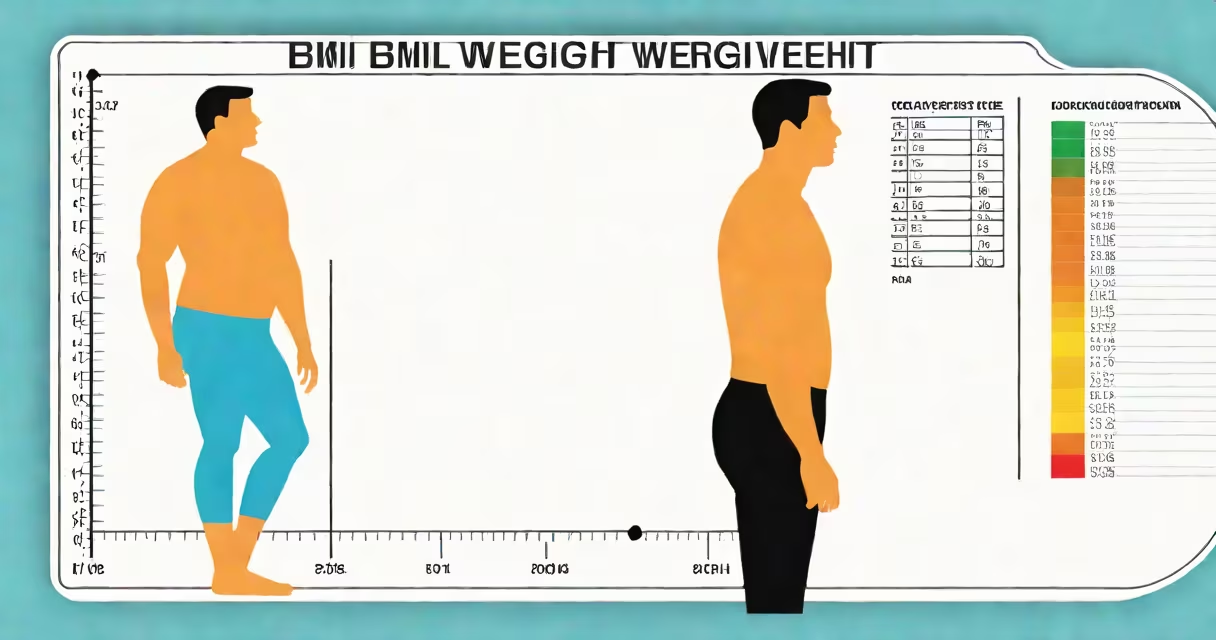
The bmi underweight range is a body mass index (BMI) below 18.5. This classification identifies individuals whose weight is below what is considered healthy for their height. The World Health Organization defines this threshold based on large-scale population studies linking BMI to long-term health outcomes.
BMI calculates weight relative to height using the formula: weight in kilograms divided by height in meters squared. A score below 18.5 suggests insufficient body fat and muscle mass. This category includes people who may be malnourished, suffering from eating disorders, or experiencing chronic illness. The U.S. Centers for Disease Control and Prevention notes that underweight status correlates with increased mortality risk, particularly among older adults.
For example, a 5'4" (162.5 cm) adult weighing 100 pounds (45.4 kg) has a BMI of 17.3. This falls within the underweight range. Such a person may experience fatigue, weakened immunity, and fertility issues. A clinical review published in Obesity Reviews found that individuals with a BMI below 18.5 had a 2.3 times higher risk of death from cardiovascular disease compared to those in the normal range (18.5-24.9).
BMI categorizes weight status into four standard ranges: underweight (<18.5), normal (18.5–24.9), overweight (25–29.9), and obese (≥30). These thresholds were established through epidemiological research conducted in the 1980s and validated across diverse populations. The WHO uses these categories globally, though some populations-especially Asian and Pacific Islander groups-may face higher health risks at lower BMIs due to differences in body composition.
Each category reflects a different level of metabolic and structural health. A BMI below 18.5 often indicates inadequate caloric intake, poor nutrient absorption, or excessive energy expenditure. Conditions such as anorexia nervosa, hyperthyroidism, cancer-related cachexia, and untreated celiac disease can cause sustained underweight status. The American Council on Exercise reports that athletes with very low body fat percentages may fall into this range despite being physically fit.
BMI does not measure body fat percentage directly. A muscular individual with high lean mass may have a BMI in the overweight range even if they carry little body fat. Conversely, someone with a normal BMI can still have excess visceral fat. This limitation means that BMI should never be used alone to assess health. A healthcare provider may use waist circumference, blood tests, or imaging to confirm nutritional status.
Many assume that being thin equates to being healthy. This is false. A person with a BMI under 18.5 may appear slim but suffer from osteoporosis, anemia, or delayed wound healing. A study in JAMA Internal Medicine showed that underweight individuals had a 40% higher risk of hospitalization for infections than those in the normal range.
Another misconception is that underweight status is always intentional. While some people choose to maintain a low weight through dieting, many others experience unintentional weight loss due to illness. The National Institute of Diabetes and Digestive and Kidney Diseases states that unexplained weight loss of more than 5% of body weight over six months warrants medical investigation.
Some confuse the underweight range with "skinny" or "slim" as aesthetic ideals. However, cultural beauty standards do not reflect physiological health. A model with a BMI of 17.0 may meet industry requirements but faces elevated risks of heart arrhythmias, amenorrhea, and bone fractures. The American Academy of Pediatrics warns that adolescents with a BMI below 18.5 are more likely to develop depression and anxiety disorders.
Underweight status can result from several distinct causes. The most common are:
A 2022 analysis in The Lancet Public Health found that 12% of adults globally have a BMI below 18.5, with higher rates in South Asia and sub-Saharan Africa. In the United States, approximately 5% of adults fall into this category, according to CDC data from 2021. Among teenagers aged 12-19, the rate is 3.7%, with girls more frequently affected than boys.
| Category | BMI Range | Health Risk Level |
|---|---|---|
| Underweight | <18.5 | High |
| Normal weight | 18.5-24.9 | Low |
| Overweight | 25-29.9 | Moderate |
| Obese | ≥30 | Very high |
One non-obvious fact: Some people with a BMI under 18.5 have normal body fat percentages. This occurs when muscle mass is disproportionately high, such as in elite gymnasts or sprinters. Their low BMI results from high lean mass rather than low fat. However, even in these cases, extreme leanness can impair recovery and increase injury risk.
If your BMI consistently falls below 18.5, consult a healthcare provider. Unintentional weight loss, persistent fatigue, dizziness, or irregular menstrual cycles are red flags. A doctor may order blood work to check for anemia, vitamin deficiencies, thyroid dysfunction, or liver abnormalities.
I once observed a 24-year-old woman with a BMI of 17.1 who reported losing 20 pounds over three months without dieting. She was diagnosed with early-stage Graves' disease after abnormal TSH and free T4 levels. After treatment, her weight stabilized and her BMI rose to 19.8. This case illustrates that underweight status is rarely benign-it often signals an underlying condition.
Recovery typically involves nutrition counseling, medical management of root causes, and gradual weight gain. The goal is not to reach a specific number but to restore metabolic balance. The Academy of Nutrition and Dietetics recommends a weight gain of 0.5-1 kg per week during rehabilitation.