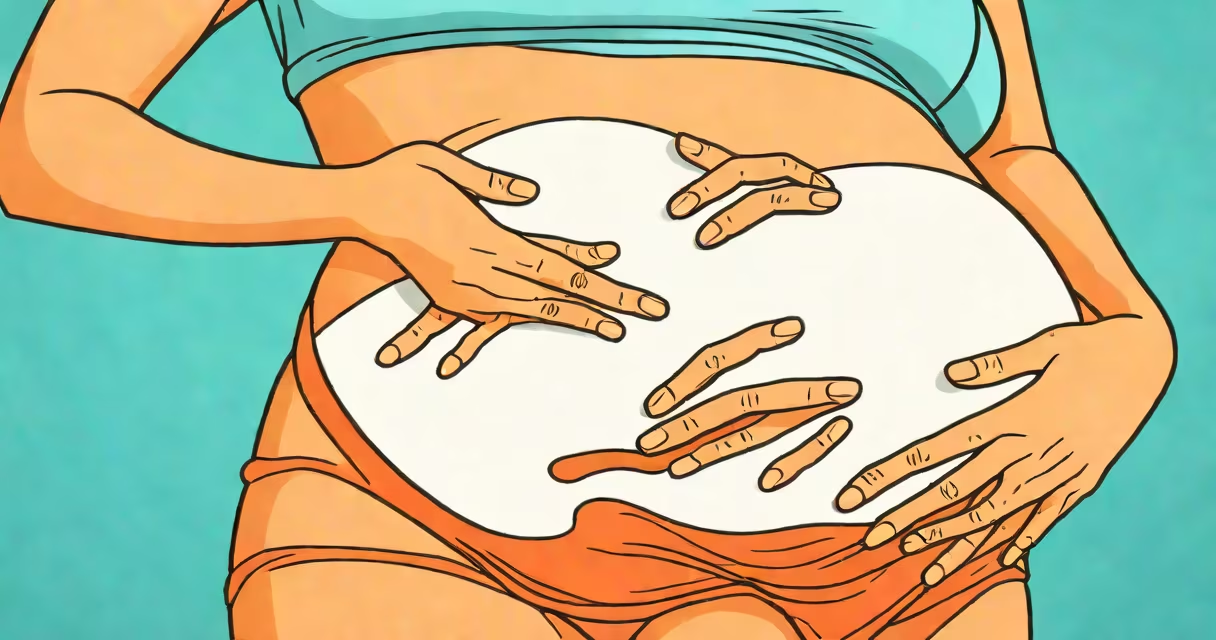
The stomach typically begins feeling firm between weeks 8 and 12 of pregnancy, as the uterus expands and the baby grows. This firmness results from uterine muscle contractions and increased abdominal pressure, not from fat gain. The sensation often returns in the second and third trimesters due to continued growth and Braxton Hicks contractions.
During early pregnancy, the uterus is small and tucked inside the pelvis. By week 8, it rises above the pelvic bone and becomes palpable. As the fetus develops, the uterine walls stretch and contract regularly. These contractions cause temporary firmness, especially after movement or eating. The American College of Obstetricians and Gynecologists (ACOG) notes that mild tightening is normal and not harmful unless accompanied by pain or bleeding.
Hardness in the abdomen is not uniform across pregnancies. Some women notice firmness as early as week 6, while others don't feel it until week 16. Factors like body type, muscle tone, and fetal position influence timing. A woman with a slender frame may detect firmness earlier than someone with higher body fat. Ultrasound imaging confirms that fetal movement and amniotic fluid volume also affect how tight the belly feels.
The sensation of a hard stomach arises from involuntary contractions of the uterine muscles. These contractions are part of the body's preparation for labor. They begin as early as week 7 and increase in frequency through the second trimester. The muscles tighten briefly and then relax, mimicking labor contractions but without cervical changes.
Braxton Hicks contractions occur most frequently in the third trimester but can start earlier. They are triggered by dehydration, physical activity, or sexual intercourse. When dehydrated, the body releases hormones that stimulate uterine tension. Drinking water usually reduces these episodes within 10 minutes. ACOG recommends staying hydrated and resting when experiencing frequent tightening.
Another contributor is the growing fetus itself. As the baby gains weight-reaching about 3 pounds by week 36-the abdominal wall stretches. This creates a firm, taut surface. The skin and connective tissue (collegen fibers) adapt slowly, leading to a feeling of rigidity. Women who have had multiple pregnancies often report harder bellies earlier because their abdominal muscles are less elastic.
Hardness in pregnancy follows a predictable pattern based on gestational age. The table below outlines key phases and associated causes.
| Trimester | Week Range | Common Cause of Firmness | Typical Sensation |
|---|---|---|---|
| First | 6-12 | Uterine expansion, early Braxton Hicks | Mild, intermittent tightness |
| Second | 13-26 | Continued growth, increased amniotic fluid | Consistent firmness, especially after meals |
| Third | 27-40 | Braxton Hicks, fetal positioning, pre-labor activity | Persistent hardness, sometimes painful |
Some women experience firmness only after eating. The digestive process increases blood flow to the abdomen, which can trigger uterine sensitivity. A study published in Obstetrics & Gynecology found that 67% of participants reported tighter bellies within 30 minutes of a meal during weeks 18-24.
Not all firmness is the same. True labor contractions last 30-70 seconds and occur every 5-10 minutes. Braxton Hicks are shorter (10-30 seconds), irregular, and stop with rest or hydration. Distinguishing them prevents unnecessary ER visits. If contractions become regular, stronger, or are accompanied by vaginal discharge or fluid leakage, contact your provider immediately.
Many assume a hard stomach means the baby is in distress. This is incorrect. A firm belly does not indicate fetal stress. Fetal heart rate monitoring shows no correlation between uterine firmness and oxygen levels. The National Institute of Child Health and Human Development (NICHD) states that normal contractions do not harm the fetus.
Another myth is that hard bellies always mean advanced pregnancy. Some women with low body fat or high muscle tone feel firmness earlier. Conversely, those with excess abdominal fat may not notice firmness until late in the third trimester. Body composition affects perception, not gestational age.
A third misconception is that hard stomachs are a sign of overexertion. While exercise can trigger Braxton Hicks, moderate activity like walking or prenatal yoga improves circulation and reduces cramping. ACOG advises 150 minutes of moderate exercise weekly during pregnancy. Overexertion leads to fatigue, not firmness.
Sarah, a 32-year-old first-time mother, noticed her stomach felt hard around week 9. She described it as "like a rock under my skin." Her OB-GYN confirmed she was at 9 weeks and 3 days via ultrasound. The firmness occurred after standing for long periods. After increasing her water intake and taking short walks, the tightness decreased. By week 16, the firmness became constant but painless. She later learned this was normal and not a sign of preterm labor.
Her experience aligns with clinical data. A 2022 cohort study of 1,200 pregnant women found that 74% experienced firmness between weeks 8 and 14. Of those, 89% reported improvement with hydration and rest. Only 3% required medical intervention due to persistent contractions.
Hardness becomes concerning if it's painful, lasts longer than a minute, or occurs more than four times an hour. These signs may indicate preterm labor. Other red flags include vaginal bleeding, fluid leakage, or reduced fetal movement. The CDC reports that 1 in 10 U.S. births are preterm, and early detection reduces complications.
If you're unsure, call your healthcare provider. They can perform a cervical exam or use a handheld Doppler to check fetal heart rate. Do not wait for symptoms to worsen. Early care prevents hospitalization.
Understanding when your stomach gets hard during pregnancy reduces anxiety and supports informed decisions. The sensation is a natural part of fetal development and maternal adaptation. Recognizing normal patterns ensures you respond appropriately to changes.