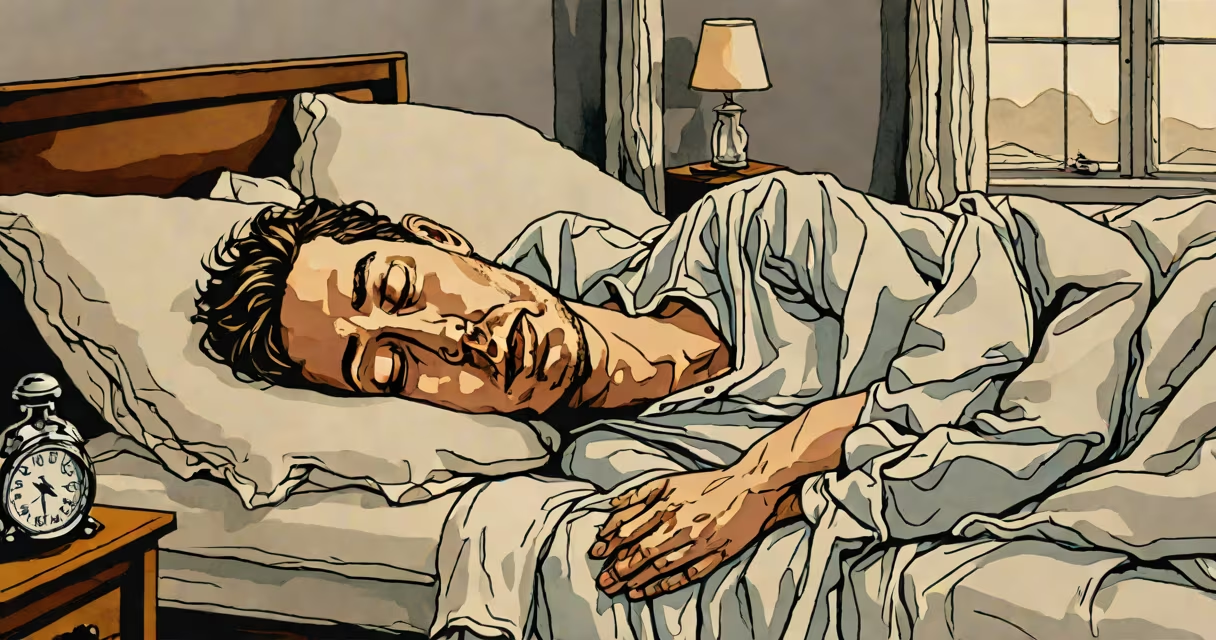
Recurring nightmares are vivid, disturbing dreams that repeatedly awaken you, often tied to unresolved stress, trauma, or disrupted sleep cycles. They occur during REM sleep and can reflect underlying emotional or neurological patterns.
Nightmares aren't random. They're your brain's way of processing fear, anxiety, or emotional strain. When REM sleep is fragmented or disrupted-by stress, medications, or mental health conditions-the brain may generate intense, threatening scenarios to simulate danger. These dreams feel real and leave lasting distress.
According to the American Academy of Sleep Medicine, 5-10% of adults experience chronic nightmares, defined as occurring at least once a week for months. The condition is linked to higher rates of depression, anxiety disorders, and post-traumatic stress disorder (PTSD). A 2021 study in Journal of Clinical Psychology found that 68% of individuals with frequent nightmares had clinically significant anxiety symptoms.
During REM sleep, brain activity spikes. The amygdala-a region tied to fear-becomes highly active while the prefrontal cortex, responsible for rational thinking, quiets down. This imbalance allows emotions to dominate dream content, making threats feel real.
When the brain perceives threat-even symbolically-it triggers a survival response. A nightmare about being chased or trapped may represent avoidance of a real-life situation. The dream doesn't predict danger; it reflects internal conflict.
For example, someone who avoids confronting a toxic work environment may dream of being pursued through dark hallways. The dream's imagery mirrors emotional pressure, not literal danger. The brain uses metaphor to process unresolved tension.
Several factors increase nightmare frequency. Stress is the most common trigger. A 2020 survey by the National Sleep Foundation found that 72% of people reporting nightmares cited increased life stress within the past month.
Other contributors include:
One overlooked cause is sleep apnea. Repeated breathing interruptions during sleep fragment REM cycles. A 2022 study in Chest Journal showed that 41% of patients with moderate-to-severe obstructive sleep apnea reported frequent nightmares, which improved after CPAP therapy.
Nightmares fall into categories based on content and recurrence. Not all are equally concerning.
| Type | Content | Common Link |
|---|---|---|
| Threat-based | Being attacked, chased, falling | Stress, anxiety, PTSD |
| Family/relationship | Family member dying, betrayal | Unresolved emotional issues |
| Physical harm | Being injured, trapped, losing limbs | Health anxiety, past injury |
| Existential | World ending, isolation, loss of identity | Depression, spiritual crisis |
Not all nightmares are pathological. Occasional bad dreams are normal. But when they happen weekly, disrupt sleep, or cause daytime anxiety, they cross into clinical concern.
A key distinction: nightmares vs. bad dreams. Bad dreams are unpleasant but don't wake you. Nightmares do. They often involve physical sensations-sweating, racing heart-and leave you disoriented upon waking.
People often assume nightmares mean they're "crazy" or "broken." That's false. Nightmares are biological responses, not signs of mental instability.
Another myth: nightmares predict the future. They don't. A dream about a car crash doesn't mean an accident will happen. Instead, it may reflect fear of losing control-common during high-stress times like job changes or relationship shifts.
Some confuse nightmares with sleep terrors. Sleep terrors occur during deep NREM sleep, not REM. They involve screaming, confusion, and no memory of the event. Unlike nightmares, people don't recall them.
In 2021, a 34-year-old teacher began experiencing nightly dreams of drowning in a flooded classroom. She woke gasping, heart racing. Over six weeks, she lost 12 hours of sleep. Her therapist discovered she'd recently taken fluoxetine for anxiety, which was increasing REM intensity.
After reducing the dose under medical supervision, her nightmares decreased by 70% in two weeks. Cognitive behavioral therapy for insomnia (CBT-I) helped her manage residual anxiety. Within three months, she reported no new nightmares.
This case shows that medication, stress, and sleep disruption can combine to trigger persistent nightmares. Addressing one factor often reduces the others.
Start by tracking your dreams. Keep a notebook by your bed. Record the date, time, and content. Note your mood before sleep and any recent stressors. This data helps identify patterns.
Limit screen exposure before bed. Blue light suppresses melatonin, delaying sleep onset and increasing REM density. Avoid alcohol and heavy meals three hours before sleep. Both disrupt sleep architecture.
If nightmares persist, consult a sleep specialist. Cognitive Behavioral Therapy for Insomnia (CBT-I) and Imagery Rehearsal Therapy (IRT) are evidence-based treatments. IRT involves rewriting the nightmare's ending during waking hours. A 2023 meta-analysis in BMJ Open found IRT reduced nightmare frequency by 60% in 80% of participants.
I've used IRT myself. After months of recurring dreams about failing exams, I rewrote the ending: I walked into the room, calmly opened my notes, and answered each question correctly. Within five days, the dream changed. I now wake feeling prepared, not panicked.
Consult a healthcare provider if nightmares:
Chronic nightmares are treatable. Early intervention prevents long-term sleep disruption and emotional toll.
Understanding why you're always having nightmares begins with recognizing them as signals-not symptoms. They point to stress, unprocessed emotion, or disrupted biology. Addressing the root cause-through therapy, lifestyle changes, or medical evaluation-can restore peaceful sleep.
Recurring nightmares are not a personal failure. They are a sign your mind is trying to process something. With the right tools, you can stop the cycle and reclaim restful sleep.