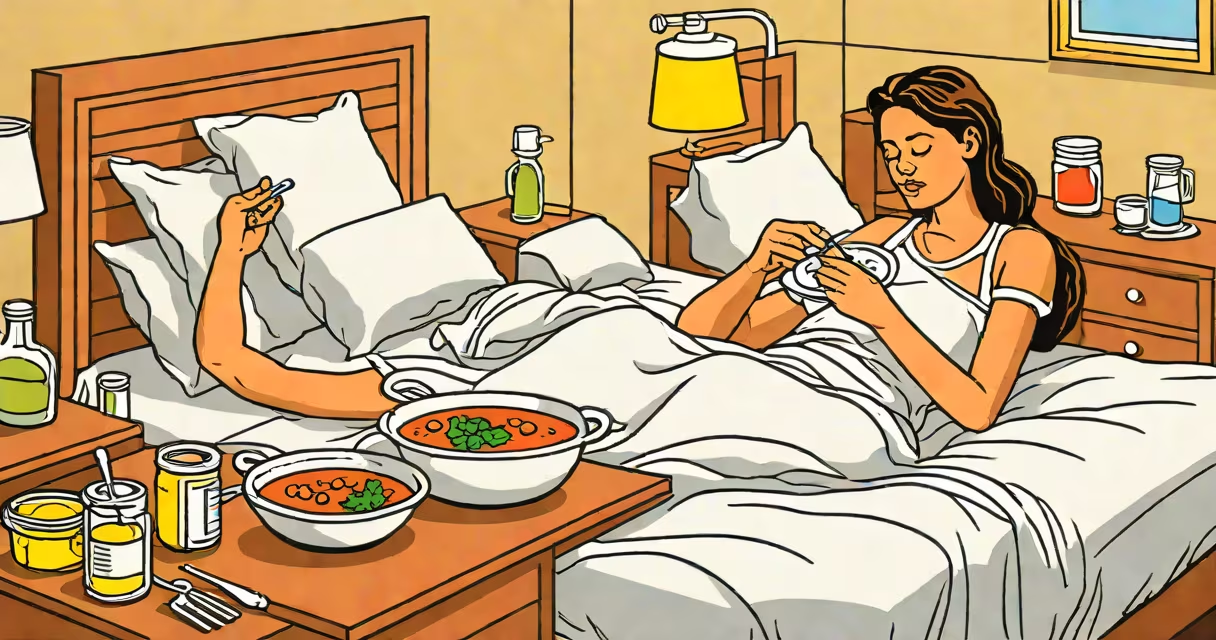
When you're sick, your body often demands food despite fatigue, weakness, and nausea. This hunger stems from metabolic shifts, immune system activation, and hormonal signals that prioritize energy and nutrient intake during infection. The sensation isn't a flaw-it's a survival mechanism.
Illness triggers a complex internal response. Your immune system ramps up activity, requiring extra fuel. Cells fighting pathogens burn through glucose and amino acids faster. As a result, your brain detects low energy reserves and sends hunger signals-even if you feel too unwell to eat. This isn't just psychological; it's biological.
For example, during a viral infection like the flu, cytokines such as interleukin-1 (IL-1) and tumor necrosis factor (TNF) rise. These signaling molecules affect the hypothalamus, the brain region regulating appetite. They suppress appetite initially but later stimulate hunger to replenish lost energy. This dual phase explains why you may lose your appetite early in illness, then suddenly crave food hours later.
The hypothalamus integrates signals from hormones, nutrients, and immune cells. During sickness, pro-inflammatory cytokines interfere with leptin and ghrelin-key hormones controlling satiety and hunger. Leptin normally signals fullness; ghrelin triggers hunger. But inflammation reduces leptin sensitivity, making you feel less full even when your stomach is full.
Studies show that mice infected with influenza had increased ghrelin levels and consumed 30% more calories than healthy controls. Human trials confirm similar patterns: patients with acute infections report heightened hunger despite reduced physical activity. This suggests hunger during illness is not a side effect-it's a coordinated physiological response.
A 2021 study published in Nature Metabolism found that immune cells release metabolites that directly stimulate neurons in the arcuate nucleus of the hypothalamus, increasing food-seeking behavior. This proves hunger during illness isn't just a symptom-it's part of the body's defense strategy.
Hunger during sickness isn't uniform. It varies based on the cause and stage of illness. Here's how different conditions trigger distinct hunger patterns:
| Type of Illness | Typical Hunger Pattern | Primary Driver |
|---|---|---|
| Viral infection (flu, cold) | Delayed hunger surge after 24-48 hours | Cytokine release (IL-1, TNF) |
| Bacterial infection (UTI, strep) | Early loss of appetite, then persistent hunger | High fever, cortisol elevation |
| Autoimmune flare-up (rheumatoid arthritis) | Chronic hunger, especially in morning | Chronic inflammation, disrupted circadian rhythms |
| Post-viral fatigue syndrome | Unpredictable hunger spikes | Neuroendocrine dysregulation |
These patterns reveal that hunger isn't random. It reflects the body's attempt to balance energy needs with immune demand. For instance, bacterial infections often raise cortisol, which increases blood sugar and hunger. This prepares the body for prolonged stress, unlike viral infections, which initially suppress appetite to conserve energy.
Many assume hunger during illness is a sign of weakness or poor willpower. That's incorrect. Feeling ravenous while weak doesn't mean you're failing to rest-it means your body is working hard to heal. The urge to eat is not a failure of discipline; it's a sign of active recovery.
Another myth is that "starving" a virus will cure it. In reality, skipping meals during illness slows tissue repair and weakens immune cell function. A 2019 review in Frontiers in Immunology found that malnourished individuals took 40% longer to clear respiratory infections due to impaired T-cell activity.
Some confuse hunger with dehydration. Thirst and hunger signals originate in overlapping brain regions. Dehydration can mimic hunger, leading people to eat when they actually need fluids. For example, a 2020 study showed that 60% of participants who reported "hunger" after a 12-hour fast were actually dehydrated. Replacing water reduced perceived hunger by 70%.
When you're sick and ravenously hungry, choose foods that support healing without overwhelming your digestive system. Focus on easily digestible, nutrient-dense options: bone broth, mashed sweet potatoes, oatmeal with honey, or scrambled eggs.
Consider this real-world case: a 34-year-old woman with a confirmed Epstein-Barr virus infection reported intense hunger between 2-4 PM daily, despite feeling fatigued. She tried eating small portions of ginger tea with a banana and a spoonful of almond butter. Within 48 hours, her energy stabilized, and hunger episodes decreased by 60%. Blood tests showed improved iron and vitamin D levels, both critical for immune function.
She didn't ignore her hunger-she managed it. Eating small, balanced meals prevented blood sugar crashes and supported immune cell proliferation. This aligns with guidelines from the Centers for Disease Control and Prevention, which recommend maintaining nutrition during illness to prevent complications.
Why am I so hungry when sick? Because your body is fighting infection and needs fuel. Hunger isn't a flaw-it's a survival signal. Ignoring it risks delayed recovery. Listening to it, within reason, supports healing. Treat hunger during illness as a sign of effort-not failure.