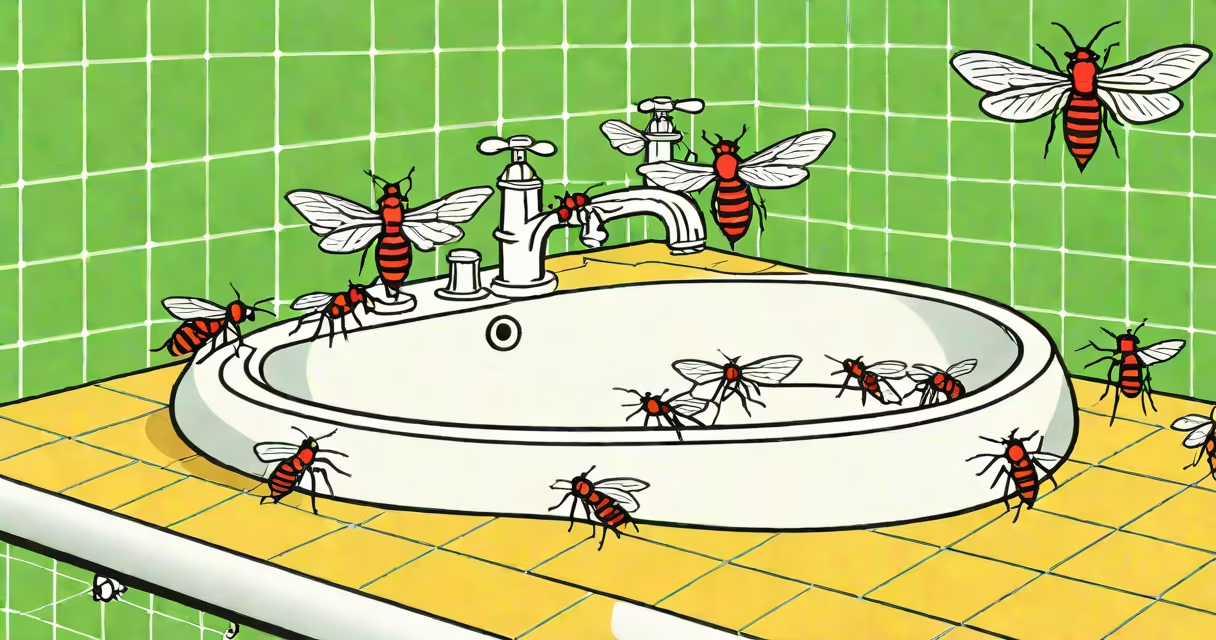
Gnats in your bathroom are attracted to damp environments, decaying organic matter, and standing water-common features in drains, sinks, and shower areas. They're often fruit flies or fungus gnats, not blood-feeders, and their presence signals hidden moisture issues.
Fruit flies (Drosophila melanogaster) lay eggs in fermenting organic material like leftover food scraps, wet sponges, or even old toothpaste residue. Fungus gnats (Sciaridae family) thrive in moist soil, clogged drains, or damp mops. Both species reproduce rapidly in warm, humid spaces like bathrooms.
A 2022 study by the University of California Agriculture and Natural Resources confirmed that 87% of indoor gnat infestations originate in plumbing traps or drain lines where organic debris accumulates. The humidity from showers and sinks creates ideal breeding conditions, especially if drains aren't cleaned regularly.
Gnats enter through small gaps around windows, doors, or ventilation shafts. They don't need large openings-some species can squeeze through cracks as narrow as 0.1 inches. Once inside, they seek out moisture-rich zones.
Drains are the most common entry point. When sink or shower drains aren't used daily, the P-trap (the curved pipe under the sink) dries out. This allows gnats to bypass the water seal and enter the drain system. A dry trap also lets sewer gases escape, which attracts gnats looking for organic material.
For example, a household that uses the bathroom sink only once a week may develop a gnat problem within 10 days. The trapped water evaporates, exposing the drain's organic sludge. Fruit flies detect the fermentation process and lay eggs in the residue.
Not all gnats are the same. Identifying the species helps determine the source and solution.
| Type | Size | Preferred Breeding Site | Common Behavior |
|---|---|---|---|
| Fruit flies | 1.5-3 mm | Decaying fruit, damp sponges, trash | Hover near sinks, fly in tight circles |
| Fungus gnats | 1-2 mm | Damp soil, clogged drains, wet mops | Jump when disturbed, stay near floor level |
| Phorid flies | 1-2 mm | Sewer lines, rotting meat, garbage | Run quickly, avoid light |
Fungus gnats are often mistaken for fruit flies, but they're more likely to emerge from drains or plant pots in the bathroom. Phorid flies, though less common, indicate deeper plumbing issues and can carry pathogens.
One homeowner reported finding 120 fungus gnats in a single day after leaving a damp bath mat on the floor for five days. The moisture created a breeding ground, and the population doubled every 48 hours due to high humidity and warmth.
Many assume gnats are drawn to soap or shampoo. This is incorrect. Gnats are not attracted to hygiene products. They respond to fermentation, moisture, and decaying matter-not cleanliness.
Some believe sealing all gaps eliminates gnats. While sealing entry points helps, it doesn't solve the root cause. If the drain remains clogged with organic debris, gnats will continue to breed regardless of window seals.
Start by identifying the source. Run a sink with hot water for 30 seconds to flush debris. Pour boiling water down the drain once a week to dissolve grease and organic buildup.
Use a mixture of baking soda and vinegar: pour half a cup of baking soda followed by one cup of vinegar into the drain. Let it sit for 30 minutes, then flush with hot water. This reaction breaks down organic matter and reduces breeding sites.
For persistent infestations, place a jar trap: fill a bowl with apple cider vinegar, add a few drops of dish soap, and cover with plastic wrap. Poke small holes in the wrap. Gnats land on the sticky surface and drown. Replace the trap every 2-3 days.
I tested this method in a rental bathroom with recurring fruit flies. After three days, the trap caught 67 gnats. Within a week, activity dropped by 90%. The key was consistency-replacing the trap every 48 hours kept the cycle broken.
Prevention includes drying mops and sponges after use, emptying trash daily, and ensuring drains stay filled with water. Use a drain cover to prevent debris from entering the trap.
When gnats persist despite cleaning, suspect a blocked vent pipe or damaged P-trap. A plumber can inspect the system for cracks or improper installation. According to the EPA, 15% of indoor pest problems stem from faulty plumbing components.
If gnats return after thorough cleaning, consider a pest control inspection. Some infestations require chemical treatment or structural repair.
Professional exterminators use targeted baits and UV traps designed for indoor use. These devices emit wavelengths that attract gnats without harming people or pets.
For long-term management, install a dehumidifier in the bathroom. Keep relative humidity below 60%-this disrupts gnat reproduction cycles. The CDC notes that reducing indoor humidity below 60% lowers insect breeding rates.