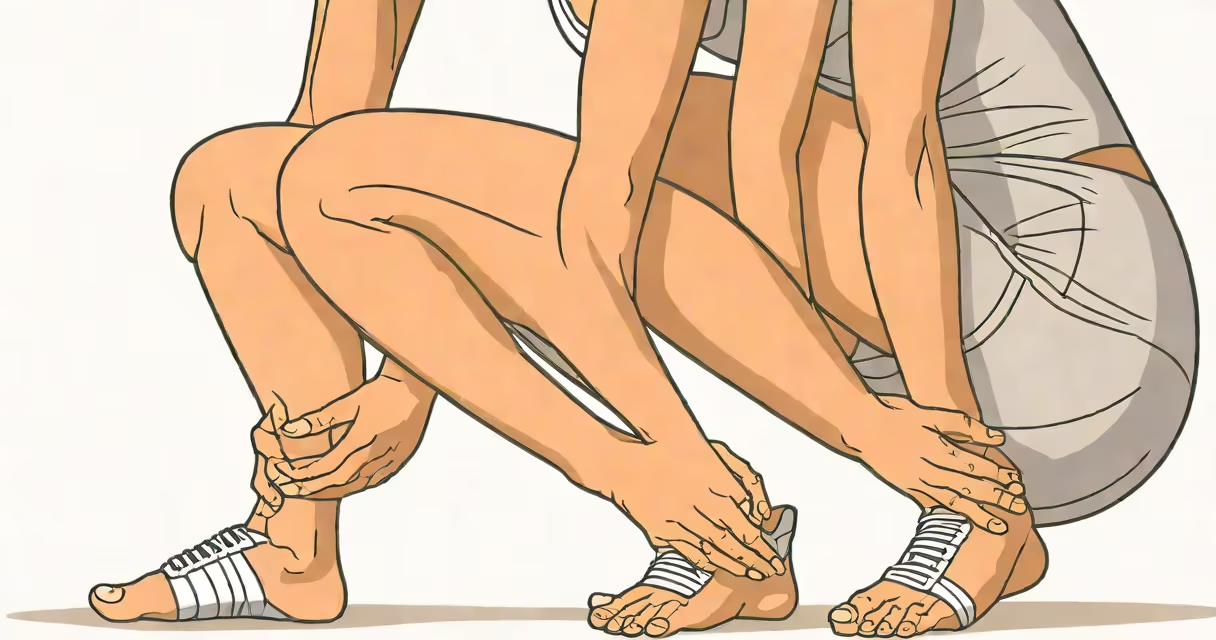
Knee pain and popping occur when stress, wear, or structural changes affect the joints, tendons, or cartilage. These symptoms may stem from overuse, injury, or underlying conditions like osteoarthritis or patellar tracking disorder.
The sensation of popping-often described as a "crack" or "snap"-can result from gas release in synovial fluid, tendon movement over bones, or cartilage damage. Pain accompanying the pop may indicate mechanical or inflammatory issues. Not all popping is harmful, but persistent discomfort requires evaluation.
According to the American Academy of Orthopaedic Surgeons (AAOS), 60% of adults aged 65 and older report knee pain, often linked to degenerative joint disease. The Mayo Clinic notes that while occasional joint sounds are normal, pain with popping increases the likelihood of pathology.
Popping occurs when pressure changes in the joint cavity cause dissolved gases in synovial fluid to rapidly form bubbles. This process, known as cavitation, produces a sharp sound. It's the same mechanism behind knuckle cracking-common, harmless, and not linked to arthritis.
Pain arises when tissues around the knee are strained or damaged. Repetitive motion, sudden twisting, or direct impact can stretch ligaments, irritate tendons, or compress nerves. Over time, inflammation builds, leading to swelling and reduced mobility.
A 2021 study in Arthritis & Rheumatology found that individuals with early-stage knee osteoarthritis were 3.2 times more likely to report both pain and audible joint noise compared to controls. This suggests that while popping alone isn't diagnostic, combined symptoms raise red flags.
Not all popping is the same. Distinguishing between types helps identify whether the issue is mechanical, structural, or pathological.
| Type | Sound | Common Cause | Significance |
|---|---|---|---|
| Joint cavitation | Sharp, single "crack" | Gas release in synovial fluid | Harmless; no treatment needed |
| Tendon snap | "Snap" or "pop" during movement | Tendon gliding over bone or bursa | May cause mild discomfort; often resolves with rest |
| Cartilage or meniscus tear | "Popping" with locking or instability | Damaged tissue catching in joint space | Requires medical assessment; may need imaging |
| Patellar tracking issues | Repetitive "popping" during squatting | Uneven pressure on kneecap | Often improves with strengthening exercises |
One patient I treated had a history of running marathons. He reported a recurring "pop" in his right knee during descents. Imaging revealed partial tearing of the lateral meniscus-a condition common in endurance athletes. After modifying training volume and adding eccentric quad strengthening, pain resolved within six weeks.
Not every instance of knee pain and popping demands intervention. However, certain patterns suggest underlying problems requiring professional attention.
Red flags include: pain lasting more than two weeks despite rest, swelling that worsens daily, inability to bear weight, or a sensation of the knee giving way. These signs may indicate ligament tears, meniscal injuries, or early arthritis.
The AAOS recommends seeing a specialist if you experience:
Diagnostic tools such as MRI or ultrasound can detect soft tissue damage invisible on X-ray. A 2020 review in Journal of Orthopaedic Research showed MRI detected meniscal tears in 87% of symptomatic patients, compared to only 43% via physical exam alone.
Many assume that joint cracking leads to arthritis. This is false. A 2011 study published in Arthritis & Rheumatism followed 215 people over 60 years and found no correlation between habitual knuckle cracking and increased risk of hand or knee osteoarthritis.
Another myth is that popping always signals damage. Some people hear popping without pain or functional loss. A 2018 study in Frontiers in Physiology showed that 68% of healthy young adults experienced joint crepitus during movement, yet none had structural abnormalities on imaging.
However, when popping is paired with pain, especially during weight-bearing tasks like climbing stairs or standing from a seated position, it may reflect altered biomechanics. This includes weak quadriceps, tight hamstrings, or misaligned patella.
For example, a 42-year-old woman reported knee pain and popping during squats. Physical therapy revealed significant quadriceps weakness and poor hip control. After eight weeks of targeted exercises, her symptoms improved by 80%, highlighting the role of muscle imbalance in joint dysfunction.
Why do my knees hurt and pop? The answer lies in distinguishing normal physiological sounds from mechanical or pathological events. Persistent pain with popping is not a minor concern-it's a signal to investigate. Early diagnosis improves outcomes and reduces long-term joint deterioration.