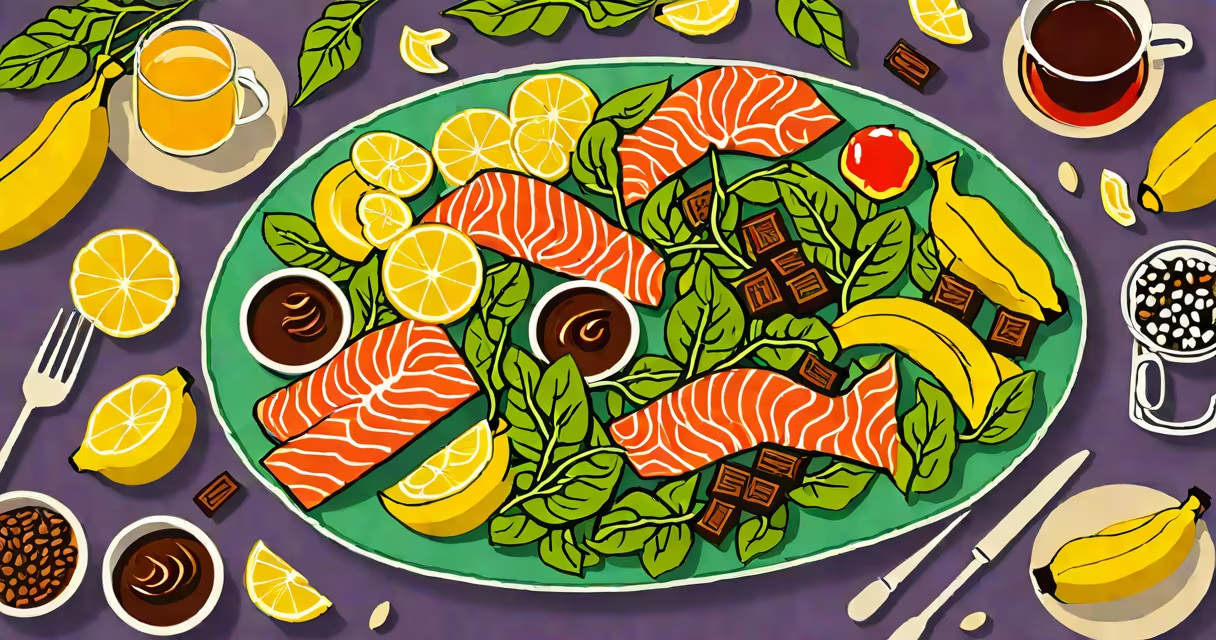
The best foods for your period are nutrient-dense whole foods that support hormone balance, reduce inflammation, and ease common symptoms like cramps, fatigue, and mood swings. These include iron-rich meats, leafy greens, fatty fish, complex carbohydrates, and magnesium-rich nuts and seeds.
Menstrual cycles involve fluctuating hormones-estrogen and progesterone-that influence energy levels, appetite, and physical comfort. What you eat can either amplify or soothe these changes. For example, low iron levels correlate with increased fatigue during menstruation, while high sodium intake worsens bloating. Choosing foods rich in iron, omega-3s, magnesium, and B vitamins helps regulate blood flow and supports nerve function.
Research from the National Institutes of Health shows that diets high in processed sugar and saturated fat are linked to higher rates of menstrual pain and PMS. Conversely, diets rich in vegetables, whole grains, and healthy fats are associated with reduced symptom severity. The goal isn't to eliminate cravings-but to replace trigger foods with better alternatives.
During your period, prostaglandins-hormone-like compounds-trigger uterine contractions that cause cramping. Omega-3 fatty acids found in fatty fish and flaxseeds inhibit the production of pro-inflammatory prostaglandins. A 2018 study published in Reproductive Sciences found that women who consumed at least two servings of fatty fish per week reported less menstrual pain than those who ate none.
Magnesium plays a direct role in muscle relaxation. Low magnesium levels are tied to increased muscle tension and irritability. Foods like pumpkin seeds, almonds, and dark leafy greens provide this mineral in bioavailable forms. A clinical trial in European Journal of Obstetrics & Gynecology showed that daily magnesium supplementation reduced menstrual cramp intensity by 48% over four cycles.
B-complex vitamins, especially B6 and folate, help regulate serotonin and dopamine-neurotransmitters that affect mood. When levels drop, emotional sensitivity increases. Bananas, avocados, and lentils offer natural sources of these nutrients. One study found that women taking B6 supplements experienced fewer mood swings and reduced anxiety during their luteal phase.
These categories deliver targeted benefits during your cycle:
| Nutrient | Why it matters | Top food sources |
|---|---|---|
| Iron | Replaces blood loss; prevents anemia-related fatigue | Grass-fed beef, spinach, lentils, oysters |
| Omega-3s | Reduces prostaglandin-driven cramps | Sockeye salmon, chia seeds, walnuts, flaxseed |
| Magnesium | Relaxes muscles; lowers nervous system excitability | Pumpkin seeds, dark chocolate (70%+), almonds, black beans |
| B Vitamins | Supports neurotransmitter balance; reduces mood swings | Bananas, avocado, eggs, chickpeas |
| Fiber | Stabilizes blood sugar; reduces bloating and cravings | Chickpeas, quinoa, berries, broccoli |
One non-obvious fact: dark chocolate (70% cocoa or higher) contains both magnesium and flavonoids that improve circulation and reduce oxidative stress. A 2020 randomized controlled trial found that women who ate 40 grams of dark chocolate daily during their period reported lower pain scores compared to placebo groups.
Many people assume that "craving sweets" means they should eat cake or candy. But refined sugar spikes insulin, leading to crashes in energy and increased irritability. Instead, satisfy sweet cravings with fruit-like a banana or a small piece of dark chocolate-which provide natural sugars alongside fiber and nutrients.
Another misconception is that caffeine worsens cramps. While excessive intake can increase anxiety and disrupt sleep, moderate coffee consumption (up to 300 mg/day) may actually help. A 2019 study in Journal of Pain Research found that women who drank one cup of coffee during heavy flow reported slightly faster pain relief due to caffeine's mild vasoconstrictive effect.
Some avoid dairy entirely during their period. However, research from the American Journal of Clinical Nutrition shows that calcium-rich dairy products may reduce PMS symptoms. Full-fat yogurt and cottage cheese offer protein and probiotics that support gut health-critical for hormone metabolism.
Sarah, a 29-year-old teacher, tracked her period symptoms for six months using a food and symptom journal. She noticed consistent fatigue and leg cramps around day 3 of her cycle. After reviewing her diet, she discovered she was consuming mostly white rice, processed snacks, and soda during that time.
She replaced her usual lunch with a bowl of quinoa, grilled salmon, steamed broccoli, and a side of sliced avocado. She added a handful of pumpkin seeds and a small square of dark chocolate for dessert. Within two cycles, her energy levels improved, and cramps decreased by about 60%. Her journal entry read: "I felt less sluggish. My legs didn't ache as much. I even slept through the night."
Her success wasn't magic-it was consistent nutrient intake. She focused on iron (salmon, spinach), omega-3s (salmon, chia), and magnesium (pumpkin seeds, avocado). She avoided sugary drinks and processed snacks that had previously worsened bloating.
High-sodium foods like chips, frozen meals, and salty soups contribute to water retention and bloating. Limiting salt to under 2,300 mg per day-about one teaspoon-is advised during menstruation. Alcohol dehydrates and disrupts liver function, impairing estrogen metabolism. Even one drink can worsen fatigue and mood swings.
Processed meats such as hot dogs and deli slices contain nitrates and advanced glycation end-products (AGEs) that promote inflammation. A 2021 study in Reproductive Toxicology linked regular processed meat consumption to earlier onset of menarche and heavier flows.
If cramps don't improve with dietary changes, or if bleeding exceeds 80 mL per cycle (about 30 pads soaked in 24 hours), consult a healthcare provider. Heavy bleeding may indicate fibroids, endometriosis, or adenomyosis-conditions requiring medical evaluation.
Understanding the best foods for your period isn't about restriction-it's about strategic nourishment. Prioritize whole, unprocessed foods rich in iron, omega-3s, magnesium, and B vitamins. Make small swaps: trade white bread for whole grain, soda for herbal tea, candy for fruit. Over time, these choices reduce discomfort and support long-term reproductive wellness.