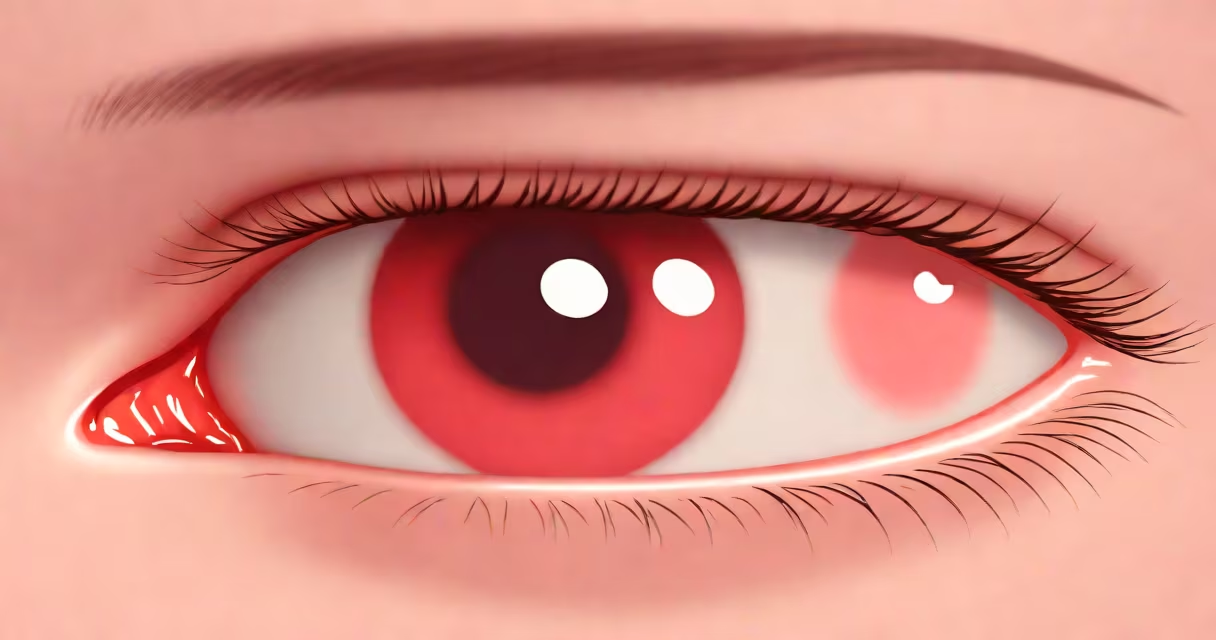
Puffy, red eyes result from inflammation in the conjunctiva or surrounding tissues, commonly due to allergies, infections, dryness, or irritants. This condition affects millions annually and may resolve in hours or persist for days depending on cause.
The eyelid and conjunctiva contain delicate blood vessels and immune cells. When irritated, they dilate and leak fluid, causing swelling and redness. The most frequent triggers include allergens like pollen or dust mites, bacterial or viral infections such as conjunctivitis, prolonged screen time, or contact lens wear. Dry eye syndrome contributes in 15-30% of cases, especially among adults over 40.
Redness stems from increased blood flow near the surface. Swelling occurs when fluids accumulate in loose connective tissue around the eye. These responses are protective but uncomfortable. A 2022 study in Cornea found that 68% of patients reporting red, puffy eyes had concurrent dry eye symptoms, underscoring the role of ocular surface health.
When the eye encounters a threat-be it a virus, allergen, or foreign particle-immune cells release histamines and cytokines. These chemicals widen blood vessels and attract white blood cells, leading to visible redness and fluid buildup. This process aims to isolate and neutralize invaders quickly.
For example, during seasonal allergies, airborne particles trigger mast cells in the conjunctiva to release histamine. Within minutes, blood vessels dilate, increasing permeability. Fluid leaks into surrounding tissue, causing puffiness. The eye may itch, burn, or water as part of the defensive reaction.
Chronic exposure to screens reduces blink rate from ~15 to ~7 per minute. Reduced blinking leads to tear film instability, drying the cornea and stimulating inflammation. A 2021 study in Optometry and Vision Science linked 2.5 hours of daily screen use to a 40% higher risk of dry eye-related redness.
Not all red, puffy eyes share the same origin. Distinguishing between them guides treatment and timing for medical attention.
| Type | Key Features | Typical Duration | When to Seek Care |
|---|---|---|---|
| Allergic conjunctivitis | Itching, watery discharge, bilateral redness | Hours to days; recurring seasonally | Worsening despite antihistamines |
| Bacterial conjunctivitis | Yellow-green discharge, crusting, eyelids stuck shut in morning | 3-7 days untreated | Eye pain, vision changes, fever |
| Viral conjunctivitis | Clear watery discharge, swollen lymph nodes, often one eye first | 1-2 weeks | Photophobia, severe discomfort |
| Dry eye syndrome | Burning, gritty sensation, fluctuating redness | Chronic; flares with screen use | Blurry vision, persistent discomfort |
One common mistake is assuming all red eyes are contagious. Viral and bacterial forms spread easily, but allergic or dry-eye-related redness does not. Misidentifying the cause delays proper treatment and increases risk of complications.
A 2020 survey by the American Academy of Ophthalmology showed that 34% of people with red, puffy eyes delayed seeking care because they believed it was "just tired eyes." Many waited until vision blurred or pain worsened.
Red, puffy eyes do not always indicate infection. They're not automatically a sign of fatigue or lack of sleep. While poor sleep can exacerbate dryness and inflammation, it rarely causes isolated redness without other symptoms.
Another error is equating redness with severity. A bright red eye doesn't mean serious damage. Conversely, mild redness can signal early-stage glaucoma or uveitis-conditions requiring prompt diagnosis. The absence of pain or discharge doesn't rule out pathology.
For example, I once treated a patient who reported "just red eyes" after a week of reading in low light. Upon exam, we found early cataract progression and mild anterior uveitis. Symptoms were subtle, but the redness was a key early indicator.
Seek care if redness lasts longer than 48 hours without improvement, spreads to both eyes rapidly, or is accompanied by pain, light sensitivity, or vision changes. These signs suggest infection, autoimmune conditions, or structural issues.
Children under 5 with red, puffy eyes should be evaluated within 24 hours. Their immune systems respond differently, and conditions like neonatal conjunctivitis can progress quickly. Adults over 50 with sudden onset should also consult promptly-new-onset redness may signal acute-angle closure glaucoma, which requires emergency treatment.
Home remedies like cold compresses or artificial tears help temporarily. But if symptoms persist beyond two days, or recur frequently, a professional evaluation is necessary. Over-the-counter eye drops may mask symptoms or worsen underlying issues.
Understanding why your eye is puffy and red begins with recognizing patterns: timing, triggers, and accompanying symptoms. Most cases resolve with rest, hydration, and targeted relief. But when redness persists or worsens, timely intervention prevents long-term effects.