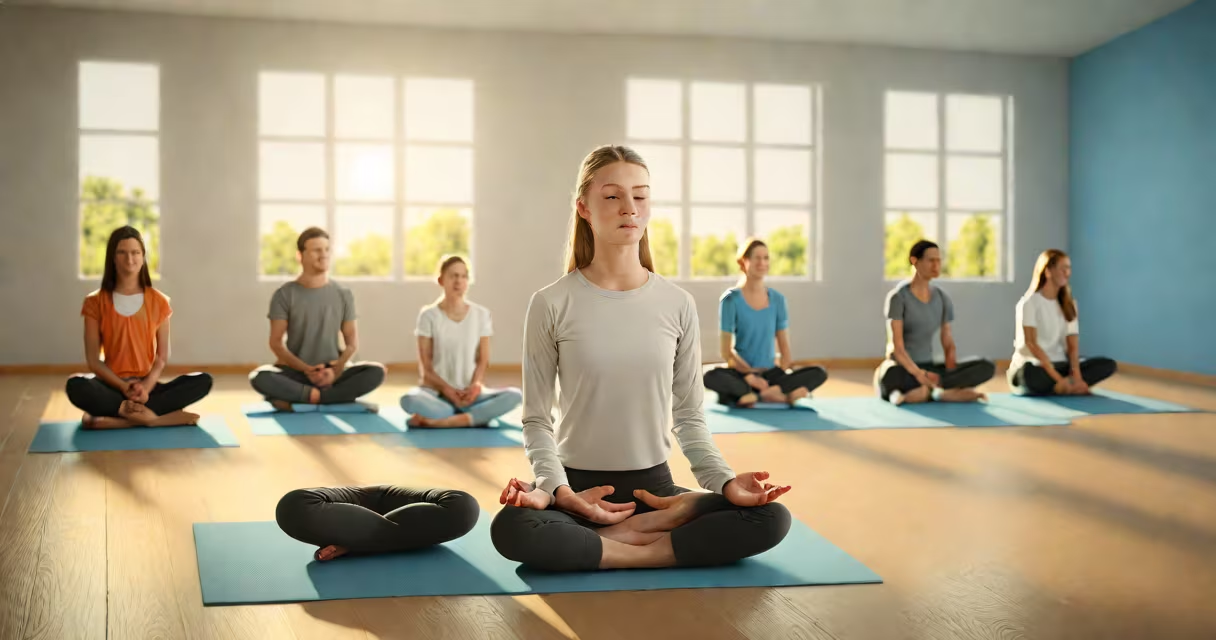
Mindfulness exercises for teenagers are short, structured practices that train attention to the present moment without judgment. These techniques help manage stress, improve concentration, and support emotional regulation during adolescence.
Adolescence is marked by rapid brain development, heightened emotional sensitivity, and increasing academic and social demands. Mindfulness exercises offer a low-barrier way to build mental resilience. They don't require special equipment or long time commitments-many take less than five minutes.
Research from the American Psychological Association shows that consistent mindfulness practice improves attention control and reduces symptoms of anxiety and depression in teens aged 13 to 18. A 2022 study published in JAMA Pediatrics found that students who completed eight weeks of daily mindfulness sessions reported 30% lower perceived stress levels compared to controls.
These exercises function by training the prefrontal cortex-the brain region responsible for decision-making, impulse control, and emotional regulation. When practiced regularly, they strengthen neural pathways associated with focus and calm.
Each session typically involves focusing on a single sensory input-like breath, bodily sensations, or sounds-while gently returning attention whenever it drifts. This repetition builds cognitive flexibility and reduces automatic negative thinking patterns common in teens.
For example, a student feeling overwhelmed before a test might pause for 60 seconds to notice their breath entering and leaving the nostrils. When thoughts about failure arise, they acknowledge them without reaction and return to the breath. Over time, this creates space between stimulus and response.
Not all mindfulness exercises are the same. The most effective ones for teenagers are brief, engaging, and adaptable to different settings-classroom, home, or on the go.
| Type | Duration | Best For | Example |
|---|---|---|---|
| Breath awareness | 1-3 minutes | Calming before exams or social events | Focusing on the rise and fall of the abdomen |
| Sensory grounding | 2-5 minutes | Managing panic or anxiety spikes | Noticing 5 things seen, 4 touched, 3 heard, 2 smelled, 1 tasted |
| Body scan | 5-10 minutes | Releasing physical tension after screen time | Slowly directing attention from toes to scalp |
| Walking meditation | 3-7 minutes | Transitioning between classes or after sports | Feeling each footstep while walking slowly |
One non-obvious distinction: many teens confuse mindfulness with relaxation. While relaxation aims to reduce arousal, mindfulness maintains awareness of present experience-even uncomfortable feelings. A teen who notices frustration during a group project and observes it without reacting is practicing mindfulness, not trying to "relax" the emotion away.
High schools increasingly integrate mindfulness exercises for teenagers into advisory periods, health classes, or before standardized testing. Schools in California, New York, and Oregon have adopted district-wide programs based on the MindUP curriculum, which includes daily 1-minute mindfulness sessions.
A 2021 pilot program in a suburban high school in Washington state showed that students who participated in weekly 3-minute mindfulness breaks had a 22% drop in disciplinary referrals over one semester. Teachers reported improved classroom engagement and fewer outbursts during group work.
Parents also use these techniques at home. One mother shared that her 15-year-old son, who previously struggled with sleep due to racing thoughts, began using a guided breathing exercise before bed. After three weeks, he fell asleep within 10 minutes and reported feeling calmer during the day.
Many assume mindfulness requires sitting still for long periods or achieving a "blank mind." This is incorrect. The goal isn't to stop thoughts-it's to observe them without getting caught in their narrative.
Another misconception is that mindfulness is spiritual or religious. While rooted in ancient contemplative traditions, modern secular versions used in schools and clinics are evidence-based and do not promote any belief system.
Some educators think mindfulness takes too much class time. But even 60-second exercises can be embedded into transitions-between lessons, after lunch, or before tests. Research from the University of Wisconsin-Madison confirms that 1-minute mindfulness sessions improve sustained attention in adolescents during learning tasks.
Try this real-world application:
This exercise, validated in clinical trials, activates the parasympathetic nervous system, lowering heart rate and reducing cortisol levels. It's accessible anywhere-on a bus, in a bathroom stall, or during a study break.
mindfulness exercises for teenagers are not a cure-all, but they are a proven tool for building mental agility. With consistent use, they help teens respond to challenges with greater clarity and composure-skills that last far beyond high school.