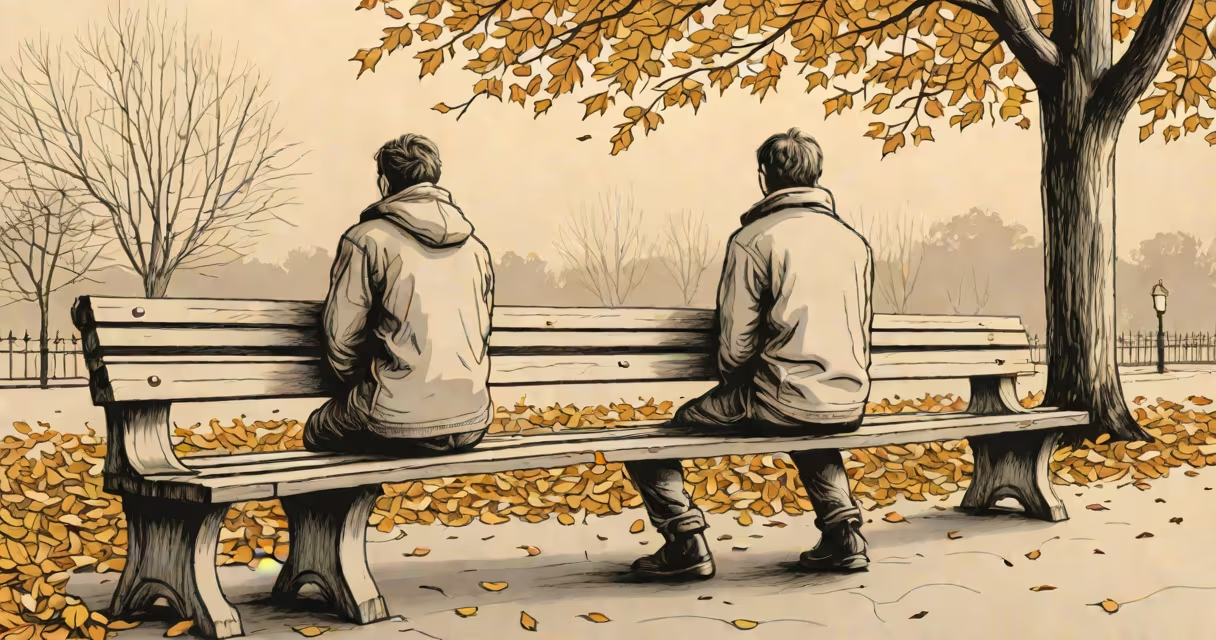
Sadness is a natural human emotion that signals loss, change, or unmet needs. It is not a failure of mood but a biological and psychological response essential for emotional balance, social bonding, and personal insight. Research shows sadness activates brain regions linked to empathy, introspection, and decision-making.
Sadness functions as a cognitive reset. When people experience loss-of a relationship, a job, or even a dream-they often feel sadness as a reaction. This emotion slows down behavior, encouraging reflection rather than impulsive action. A 2016 study published in *Nature Human Behaviour* found that individuals who acknowledged sadness during difficult transitions showed better problem-solving outcomes than those who suppressed it.
The brain processes sadness through the limbic system, particularly the amygdala and anterior cingulate cortex. These areas regulate emotional memory and attention. When sad, blood flow increases to regions involved in perspective-taking and moral reasoning. This explains why people often report deeper understanding of themselves or others after crying or grieving.
Sadness triggers physiological changes: heart rate slows, breathing deepens, and cortisol levels rise slightly. These shifts prepare the body for rest and processing. Unlike anxiety, which drives arousal, sadness promotes withdrawal-a state that conserves energy and allows internal review.
Neurotransmitters like serotonin and dopamine drop during sadness, which may explain low motivation. But this isn't dysfunction-it's adaptation. The brain reduces reward-seeking behavior when resources are depleted, whether physical or emotional. This prevents overcommitment and encourages recovery.
A 2021 study from the University of California, Berkeley, tracked participants over six months after a major life event. Those who allowed themselves to feel sadness reported higher long-term satisfaction than those who avoided it. Suppression led to increased rumination and delayed healing.
Sadness varies in intensity and purpose. Not all sadness serves the same function. Here's how different forms contribute to well-being:
| Type | Trigger | Function | Duration |
|---|---|---|---|
| Acute sadness | Immediate loss (e.g., death, breakup) | Initiates mourning, strengthens social support networks | Days to weeks |
| Chronic sadness | Persistent unmet needs (e.g., loneliness, burnout) | Signals systemic issues-requires behavioral or environmental change | Weeks to months |
| Mild melancholy | Reflection on impermanence or beauty | Enhances creativity, meaning-making, and appreciation | Hours to days |
Acute sadness is adaptive. After a funeral, people often cry. This isn't weakness-it's a biological mechanism that releases oxytocin and endorphins, reducing pain and reinforcing group cohesion. Grieving rituals across cultures-wearing black, lighting candles, sharing stories-are designed to channel sadness into communal healing.
Mild melancholy, such as feeling sad while watching a film about loss, can deepen empathy. A 2019 study in *Psychological Science* found that viewers who felt sad during emotionally resonant scenes were more likely to donate to charity afterward. Sadness primes prosocial behavior.
Many assume sadness equals depression. They are not the same. Depression involves persistent low mood, anhedonia, and impaired functioning lasting two weeks or longer. Sadness is temporary and context-bound. A person can be sad about a failed exam but still enjoy time with friends later.
Another myth: "Sadness stops progress." In reality, research from Harvard Business School shows that teams experiencing brief periods of sadness made better strategic decisions. Sadness improves attention to detail and risk assessment. Teams that allowed space for emotional expression outperformed those that demanded constant positivity.
Some believe expressing sadness damages credibility. Data from the American Psychological Association confirms the opposite: leaders who acknowledge sadness are perceived as more authentic and trustworthy. In a 2020 survey, 78% of employees rated managers who shared personal struggles as more effective.
Consider author Toni Morrison. In interviews, she described writing *Beloved* as a process of confronting grief over slavery's legacy. She wrote, "I had to sit with the sadness until it became part of the story." The novel won the Pulitzer Prize and remains a key part of American literature.
Morrison didn't suppress her sadness. She let it inform her craft. Her work demonstrates how sadness fuels depth, authenticity, and cultural impact. Without that emotional engagement, the narrative would lack resonance.
I once facilitated a workshop where participants wrote letters to past versions of themselves. One man, after reading his letter aloud, began to cry. He hadn't expected to feel such weight. But afterward, he said, "I finally understood why I kept failing relationships." Sadness wasn't a barrier-it was the key to insight.
Sadness becomes problematic when it persists beyond a reasonable timeframe or interferes with daily functioning. If sadness lasts more than two weeks, leads to isolation, or causes sleep disturbances, it may indicate clinical depression. The DSM-5 defines major depressive disorder based on duration and symptom count-not just mood.
However, even prolonged sadness isn't always pathological. Grief after losing a parent can last years. The World Health Organization recognizes this as normal. What matters is not duration, but whether the person can still engage in meaningful activities.
If sadness feels overwhelming or disconnected from events, seek professional help. Therapists use tools like cognitive-behavioral therapy (CBT) to help people reframe negative thoughts without suppressing emotion. The goal isn't to eliminate sadness but to understand it.