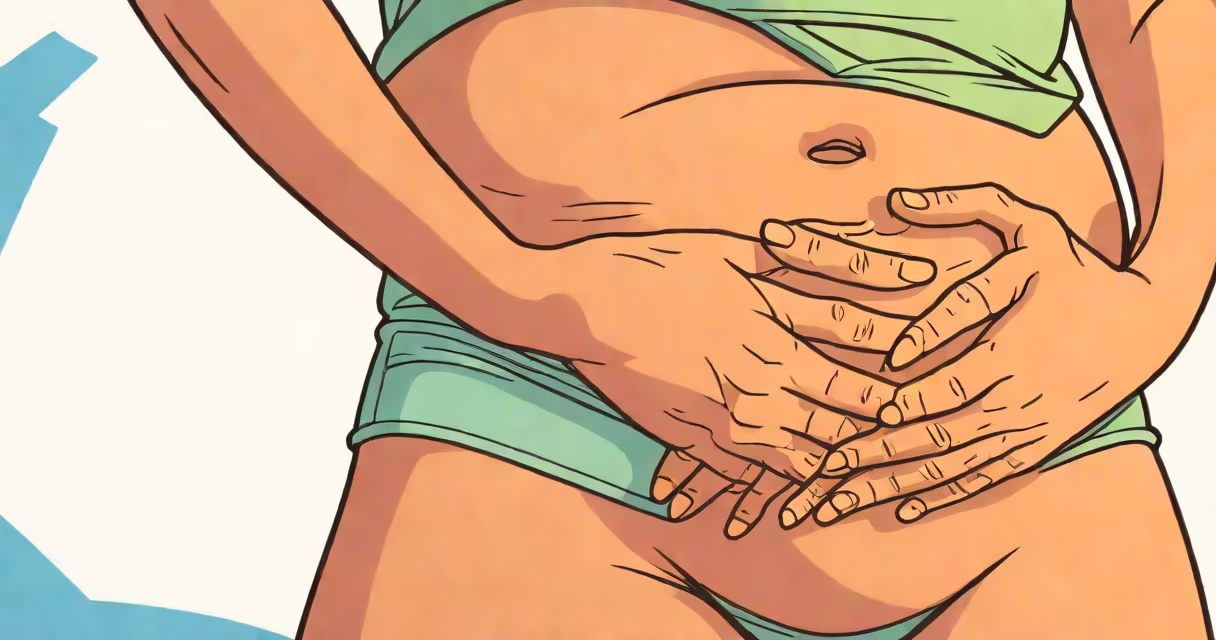
A sharp pain in the stomach is a sudden, intense discomfort localized to the abdominal region, typically signaling acute irritation, inflammation, or mechanical stress in internal organs such as the stomach, intestines, or appendix. Unlike dull or persistent aches, sharp pains often feel stabbing, cramping, or electric in nature and may come on rapidly.
This type of pain arises from nerve endings in the abdominal wall or internal organs being stimulated by stretching, pressure, or injury. The sensation is usually well-localized-meaning you can point to one spot-and may worsen with movement, eating, or lying down. It differs from generalized bloating or mild nausea, which suggest less urgent processes.
According to the American College of Gastroenterology, acute abdominal pain accounts for nearly 10% of emergency department visits annually, with sharp pain being a key red flag for serious underlying conditions requiring prompt evaluation.
The sensation of sharp pain originates in nociceptors-specialized nerve fibers in the abdominal lining (peritoneum) and organs. When tissues are stretched, inflamed, or damaged, these nerves fire signals to the spinal cord and brain, interpreted as pain. The location of the pain gives clues about the affected structure.
For example, pain in the upper left quadrant near the ribcage may stem from a peptic ulcer or splenic irritation. Pain in the lower right side could indicate early appendicitis. A sharp, cramp-like pain in the middle of the abdomen often points to intestinal spasms due to food poisoning or irritable bowel syndrome (IBS).
Neurologically, sharp pain activates the somatic nervous system's fast-conducting A-delta fibers, which transmit pain quickly and precisely. This explains why sharp pain feels immediate and pinpointed-unlike the dull, throbbing ache from chronic conditions.
Sharp abdominal pain varies by location, timing, and associated symptoms. Below are common categories based on anatomical origin:
| Location | Common Causes | Key Clues |
|---|---|---|
| Upper central | Peptic ulcer, gastritis, gallbladder attack | Pain after eating, burning sensation, nausea |
| Lower right | Appendicitis, kidney stones | Pain begins near navel, shifts right, worsens with walking |
| Lower left | Sigmoid diverticulitis, menstrual cramps | Pain with bowel movements, bloating, constipation |
| Generalized | Gastroenteritis, food poisoning, IBS flare-up | Onset within hours of eating, diarrhea, vomiting |
One non-obvious distinction: sharp pain from gas or trapped air often resolves within minutes and moves around the abdomen. True organ-related pain tends to stay in place and intensify over time.
For instance, during a 2022 study published in Alimentary Pharmacology & Therapeutics, researchers found that patients with acute appendicitis reported sharp pain that began as vague discomfort in the center of the belly and migrated to the lower right within 6-12 hours-a pattern seen in over 70% of confirmed cases.
Sharp stomach pain is frequently misdiagnosed as indigestion or gas. But it can also signal non-gastrointestinal issues. For example, a sharp pain in the upper abdomen may stem from a heart attack-especially in women, who often present with atypical symptoms like nausea and epigastric pain rather than chest pressure.
Another overlooked cause is ectopic pregnancy. A woman experiencing sudden, sharp pain in the lower abdomen, especially with missed periods and dizziness, may have a fallopian tube rupture. The National Institute of Child Health and Human Development reports that ectopic pregnancies account for 2% of all pregnancies but are responsible for 10% of maternal deaths in the first trimester.
I once observed a patient in a clinic who had severe right-sided abdominal pain after eating. Initial diagnosis was "gas." After two days of worsening symptoms and fever, imaging revealed a perforated duodenal ulcer-an emergency condition requiring surgery. The pain wasn't digestive gas; it was a hole in the small intestine leaking digestive enzymes into the abdominal cavity.
Not all sharp stomach pain requires a doctor. But certain signs demand immediate attention:
These symptoms suggest complications like bowel obstruction, internal bleeding, or organ perforation. The Mayo Clinic emphasizes that delayed treatment for conditions like appendicitis increases the risk of rupture by 40% after 24 hours.
Start by tracking the pain: note when it began, where it's located, how long it lasts, and what makes it better or worse. Avoid self-medicating with NSAIDs like ibuprofen if you suspect an ulcer or internal bleed-they can worsen tissue damage.
Remember: a sharp pain in the stomach is not always a minor issue. It's a signal. Pay attention to its location, duration, and companions-fever, vomiting, changes in bowel habits-and act accordingly. Early intervention prevents complications.