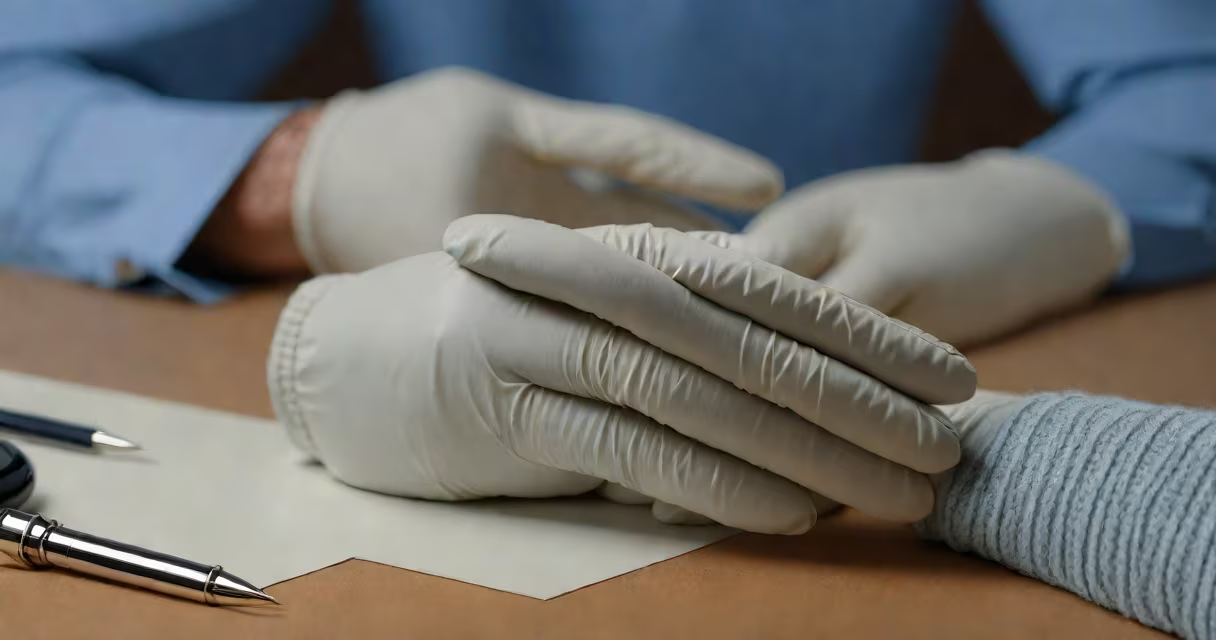
An always cold symptom describes persistent coldness in the hands, feet, or other extremities even when ambient temperatures are normal. This condition may stem from reduced blood flow, nerve sensitivity, or metabolic dysfunction rather than environmental exposure.
Chronic coldness is not simply feeling chilly. It's a physical state where skin temperature remains below normal baseline for extended periods, often accompanied by numbness, tingling, or discoloration. The sensation persists regardless of clothing, heating, or activity level. It differs from transient coldness caused by brief exposure to low temperatures.
Medical literature identifies this as a potential red flag for systemic issues. According to the American Heart Association, persistent cold extremities can indicate peripheral artery disease (PAD), Raynaud's phenomenon, or thyroid disorders. The Mayo Clinic notes that individuals with autoimmune conditions such as lupus or scleroderma frequently report this symptom due to vascular inflammation.
The human body maintains core temperature within a narrow range-around 98.6°F (37°C)-through thermoregulation. Blood vessels in the skin dilate or constrict to release or conserve heat. When blood flow to the extremities decreases, skin temperature drops, triggering the sensation of cold.
In healthy individuals, shivering and vasoconstriction occur during cold exposure. But in those with an always cold symptom, these mechanisms may be dysregulated. For example, in Raynaud's, small arteries in fingers and toes spasm in response to cold or stress, cutting off blood supply. Episodes last minutes to hours and often turn digits white, then blue, then red upon rewarming.
A 2021 study published in Circulation found that 34% of patients with unexplained cold extremities had undiagnosed autonomic nervous system dysfunction. This suggests that nerve signaling errors-not just poor circulation-can cause the symptom. The body misinterprets thermal cues, leading to excessive vasoconstriction even in warm environments.
Not all cold extremities arise from the same root cause. Conditions fall into categories based on mechanism: vascular, neurological, hormonal, or autoimmune.
| Type | Primary Mechanism | Common Triggers | Typical Symptoms |
|---|---|---|---|
| Raynaud's phenomenon | Arterial spasm | Cold, stress, vibration | White → blue → red fingers; numbness |
| Peripheral artery disease (PAD) | Narrowed arteries | Smoking, diabetes, aging | Painful cramping during walking; cold feet |
| Hypothyroidism | Low metabolic rate | Autoimmune destruction of thyroid | Constant fatigue, dry skin, cold intolerance |
| Autonomic neuropathy | Nerve damage affecting blood vessel control | Diabetes, alcohol abuse, infections | Unexplained coldness, sweating abnormalities |
Raynaud's affects about 5% of the U.S. population, according to the National Institute of Arthritis and Musculoskeletal and Skin Diseases. It often begins between ages 15 and 30 and is more common in women. Primary Raynaud's occurs alone; secondary Raynaud's develops alongside connective tissue diseases like systemic sclerosis.
Peripheral artery disease affects nearly 8.5 million Americans aged 40 and older, per the Centers for Disease Control and Prevention. A key sign is intermittent claudication-leg pain when walking-but cold feet are also frequent. Reduced blood flow leads to slower healing and increased infection risk in the lower limbs.
Healthcare providers use the presence of an always cold symptom as a diagnostic clue. It's not a standalone diagnosis but a clinical indicator pointing toward deeper evaluation.
When a patient reports consistently cold hands or feet, doctors typically perform a physical exam, check capillary refill time, measure skin temperature with a thermograph, and order blood tests. Key markers include thyroid-stimulating hormone (TSH), complete blood count (CBC), erythrocyte sedimentation rate (ESR), and antinuclear antibody (ANA) levels.
I once observed a 32-year-old woman who reported cold hands for five years. She wore gloves indoors, avoided air-conditioned offices, and felt fatigued. Initial workup showed normal thyroid function and no anemia. A cold challenge test revealed prolonged digital blanching lasting over 15 minutes-diagnostic for Raynaud's. After treatment with calcium channel blockers, her symptoms improved.
Many assume cold hands mean poor circulation. While true in some cases, this oversimplifies the issue. Coldness can result from central nervous system misfiring, not just blocked vessels. Some people with normal Doppler ultrasound results still experience cold extremities due to neurovascular dysregulation.
Another misconception is that cold hands are purely psychological. The American Psychological Association states that while stress can trigger Raynaud's attacks, the condition has a clear physiological basis. Anxiety may worsen symptoms, but it doesn't cause them independently.
Some confuse this symptom with frostbite. Frostbite involves actual tissue freezing and necrosis, usually from prolonged exposure. An always cold symptom occurs in warm settings and does not lead to tissue death unless left untreated.
Consult a healthcare provider if coldness persists for weeks, especially with other signs: skin color changes, slow wound healing, leg pain during walking, or unexplained fatigue. Early intervention prevents complications like ulcers or gangrene.
For example, a 58-year-old man with type 2 diabetes noticed his feet were cold and numb. He delayed care for six months. By the time he sought help, he developed a foot ulcer that required surgical debridement. Early screening for PAD could have prevented this outcome.
Conditions like hypothyroidism or vitamin B12 deficiency are treatable. Left unchecked, they contribute to long-term nerve damage and cardiovascular strain. The American College of Endocrinology recommends testing for thyroid function in anyone with persistent cold intolerance.