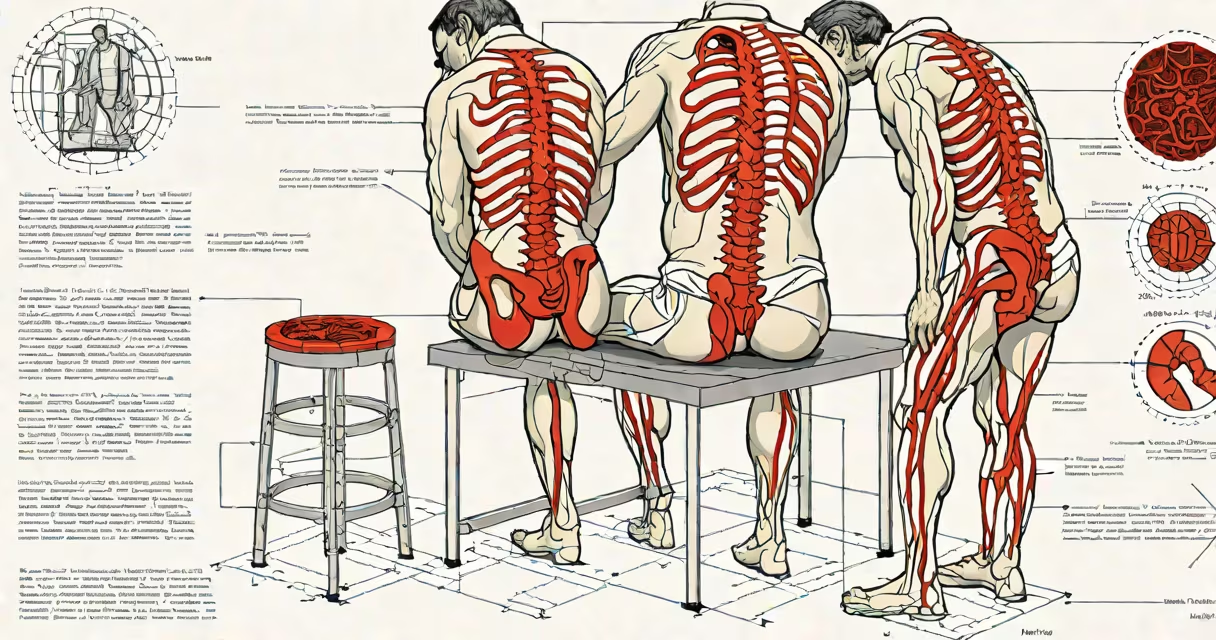
Back pain with bloody stool is a combination of symptoms that may indicate a serious underlying condition involving the gastrointestinal tract or spine. The presence of blood in the stool-visible as red or dark black streaks-alongside persistent lower back pain requires immediate medical evaluation. This symptom cluster is not normal and should never be ignored.
When blood appears in the stool, it typically originates from the digestive tract. The color of the blood provides clues: bright red suggests bleeding from the lower colon or rectum, while black, tarry stools (melena) indicate upper GI bleeding. Back pain accompanying this may stem from spinal issues, but when paired with rectal bleeding, it raises concern for conditions like colorectal cancer, diverticulitis, or inflammatory bowel disease (IBD).
A 2021 study published in Gastroenterology found that 12% of patients presenting with rectal bleeding and back pain were later diagnosed with colorectal cancer, often after delayed presentation due to misattributing symptoms to hemorrhoids or muscle strain. Early detection through colonoscopy reduces mortality by over 60%, according to the American Cancer Society.
The gastrointestinal system runs along the lower spine. Conditions affecting the colon-such as polyps, tumors, or inflamed tissue-can irritate nearby nerves, leading to referred pain in the lower back. This nerve referral explains why some patients feel back discomfort even though the primary issue lies in the intestines.
Bleeding arises when abnormal tissue erodes blood vessels. In colorectal cancer, tumor growth can ulcerate and bleed. In Crohn's disease, chronic inflammation damages intestinal walls. Diverticulosis involves small pouches forming in the colon wall that can rupture and bleed. These processes may coexist with mechanical stress on the lumbar spine, especially in individuals with sedentary lifestyles or poor posture.
For example, a 54-year-old man reported intermittent lower back pain and noticed bright red blood on toilet paper. He initially assumed it was hemorrhoids. After two weeks of worsening symptoms, he sought care. A colonoscopy revealed a 3.2 cm adenocarcinoma in the sigmoid colon. He underwent surgery and chemotherapy. His back pain resolved post-treatment, confirming the link between intestinal pathology and musculoskeletal symptoms.
Not all cases involve the same root cause. The following table outlines common conditions associated with both symptoms:
| Condition | Typical Blood Appearance | Back Pain Pattern | Key Risk Factors |
|---|---|---|---|
| Colorectal cancer | Bright red or mixed with stool | Deep, dull ache in lower back | Age >50, family history, smoking, obesity |
| Crohn's disease | Red streaks, mucus, sometimes melena | Intermittent, localized to left lower back | Young adults, genetic predisposition, smoking |
| Diverticulitis | Bright red, often with cramping | Sharp, localized to left lower quadrant radiating to back | Age >40, low-fiber diet, hypertension |
| Spinal metastasis (from cancer) | May not have blood unless secondary GI involvement | Constant, worsens at night, unrelieved by rest | History of cancer, bone pain, weight loss |
One non-obvious distinction: back pain from spinal metastasis often persists through sleep and doesn't improve with movement. In contrast, back pain from IBD or diverticulitis tends to fluctuate with bowel movements or meals. This difference is critical for diagnosis.
Many patients assume bloody stool is due to hemorrhoids or constipation. However, hemorrhoids rarely cause systemic symptoms like fatigue, unintentional weight loss, or fever. When back pain accompanies rectal bleeding, especially in people over 50, it's not a benign issue.
Another frequent error is attributing back pain solely to muscle strain or arthritis. But if the pain is new, persistent, and accompanied by changes in bowel habits-such as alternating diarrhea and constipation-it shifts the diagnostic focus toward the gut.
I once saw a patient who had been treated for "lumbar strain" for six months. He reported occasional blood in his stool but dismissed it. Eventually, he developed severe anemia. Colonoscopy revealed a large tumor obstructing the descending colon. His back pain was not from the spine-it was referred pain from intestinal distension pressing on nerves near L4-L5. This case underscores the importance of not treating symptoms in isolation.
Any instance of blood in the stool-especially if it's bright red or persistent-requires prompt evaluation. Back pain that lasts more than seven days, worsens at night, or interferes with daily activities demands attention. If you're over 50, have a family history of colorectal cancer, or notice unexplained weight loss, see a provider within 48 hours.
Early intervention prevents complications like bowel obstruction, severe anemia, or cancer progression. The American Gastroenterological Association recommends screening for colorectal cancer starting at age 45. If you have back pain with bloody stool, do not wait for symptoms to resolve-they may not.
Back pain with bloody stool is not a minor issue. It signals a potential emergency requiring urgent medical attention. Ignoring this combination increases the risk of advanced disease and poorer outcomes. If you or someone you know experiences both symptoms, contact a healthcare provider immediately.