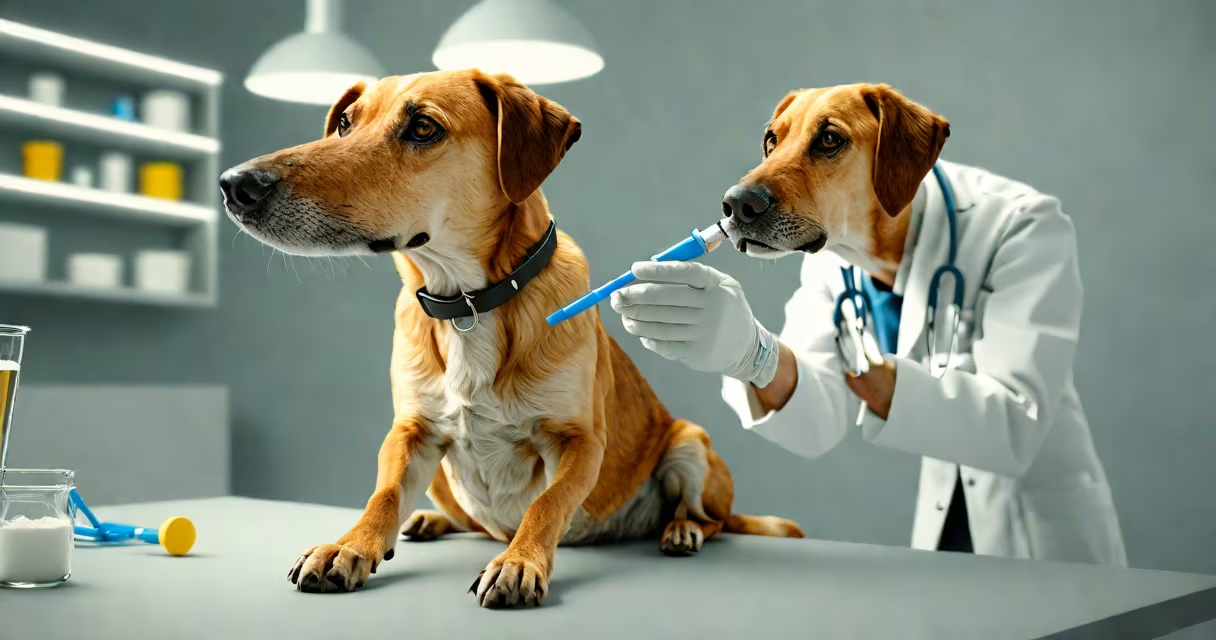
The rabies shot for dogs is officially known as the rabies vaccine. It's a preventive injection that triggers the dog's immune system to recognize and fight the rabies virus. This vaccine is legally required in nearly all U.S. states and is administered either as a single dose or in a series, depending on local regulations and the dog's age.
Rabies vaccines are produced under strict FDA guidelines and must meet safety and efficacy standards before approval. The vaccine contains inactivated (killed) rabies virus proteins, which train the immune system without causing disease. After injection, the body produces antibodies that remain ready to neutralize the virus if exposure occurs later.
According to the Centers for Disease Control and Prevention (CDC), unvaccinated dogs exposed to rabid animals have a near 100% fatality rate if untreated. The vaccine reduces this risk to less than 1%. In 2022, the CDC reported 14 confirmed cases of rabies in domestic animals in the U.S., all linked to unvaccinated pets.
The vaccine introduces harmless components of the rabies virus to the dog's immune system. These components are not live, so they cannot cause infection. Instead, they prompt B cells and T cells to create memory responses. If the dog later encounters the actual virus-usually through a bite from a rabid animal-the immune system rapidly deploys antibodies to stop the virus before it reaches the brain.
Immunity typically develops within 28 days after the initial dose. A booster shot is required one year later to maintain protection. After that, revaccination intervals depend on the product used: some are valid for 1 year, others for 3 years. The duration is specified on the vaccine label and regulated by state laws.
A 2021 study published in Veterinary Microbiology found that dogs vaccinated with a 3-year licensed rabies vaccine maintained protective antibody levels for at least three years post-vaccination. This supports the validity of extended revaccination schedules in healthy dogs.
Different formulations exist based on duration of immunity and regulatory approval. The following table outlines common types used in the U.S.
| Vaccine Type | Duration of Protection | Approved Age for First Dose | Common Brand Examples |
|---|---|---|---|
| 1-Year Rabies Vaccine | 12 months | 12 weeks | Imrab 3, Nobivac Rabies |
| 3-Year Rabies Vaccine | 36 months | 12 weeks | Revaxis, Purevax Rabies |
Only vaccines approved by the USDA and listed in the National Animal Health Monitoring System (NAHMS) database may be used in legal compliance. Veterinarians must document the vaccine brand, lot number, date of administration, and expiration date in the pet's medical record.
Some states require a specific vaccine type. For example, Texas mandates the use of a 3-year licensed vaccine for all dogs over 12 weeks old. Failure to comply can result in fines or quarantine orders during outbreaks.
Rabies vaccination is mandated by state law in all 50 U.S. states. The timing varies slightly by jurisdiction, but most require the first dose between 12 and 16 weeks of age. A follow-up booster is due within one year.
After the initial series, dogs must receive a booster every 1 to 3 years, depending on the vaccine type and state regulation. New York requires annual revaccination, while California allows 3-year intervals for approved products.
Proof of vaccination is required for boarding facilities, dog parks, and travel across state lines. The American Veterinary Medical Association (AVMA) reports that 94% of U.S. veterinary clinics require a current rabies vaccine certificate before accepting a dog for grooming or boarding.
Many people assume the rabies shot is optional or only needed in rural areas. This is incorrect. Urban centers report rabies cases annually. In 2023, New York City recorded five rabid raccoons and one bat with rabies, leading to multiple dog quarantine incidents.
Another misconception is that indoor-only dogs don't need the vaccine. The CDC confirms that even pets that never leave the house are at risk if a rabid animal enters the home via window or door. A 2020 case in Florida involved a dog that contracted rabies after a bat entered the home and bit the pet while sleeping.
Some owners believe the vaccine causes behavioral changes or chronic illness. The AVMA states that adverse reactions occur in fewer than 1 in 10,000 doses. Most side effects are mild-soreness at the injection site, lethargy, or temporary loss of appetite-and resolve within 24 hours.
I once observed a dog develop a small swelling at the injection site after receiving the 3-year vaccine. The veterinarian monitored it for 72 hours. The swelling resolved without treatment. No long-term issues were noted. This aligns with the FDA's post-marketing surveillance data showing rare localized reactions.
The rabies shot is not called "the rabies cure" or "rabies treatment." Once clinical signs appear-such as aggression, paralysis, or excessive drooling-the disease is almost always fatal. There is no effective treatment after symptoms begin.
Confusing the vaccine with a treatment leads to dangerous delays. The CDC emphasizes that vaccination is preventive, not curative. A dog exposed to a rabid animal must be quarantined for 10 days, regardless of vaccination status. If the dog shows symptoms during that time, euthanasia is often recommended to prevent spread.
Also, the vaccine is not interchangeable between species. A dog cannot receive a cat-specific rabies vaccine, nor should a dog receive a wildlife vaccine intended for foxes or skunks. Only products labeled for canine use are safe and legally acceptable.
The rabies shot for dogs is called the rabies vaccine. It is a critical public health tool that prevents transmission of a deadly virus. Compliance with state laws ensures community safety and avoids legal consequences. Regular vaccination remains the most effective way to protect both pets and people.